Tarangire National Park
Tanzania 2026 Elephant herds of 300+, baobab trees a thousand years old, and tree-climbing lions — Tanzania's most underrated safari park

Tarangire National Park is where Tanzania's northern circuit hides its biggest secret. Fewer visitors than the Serengeti or Ngorongoro, but higher elephant density than almost anywhere on the continent. Ancient baobab trees that look like they've been growing since the beginning of time. Lions that climb into the branches of sausage trees to watch the world below. This is the complete 2026 guide to visiting Tarangire.

Highest elephant density in Tanzania Tree-climbing lions — sausage tree specialists 550+ bird species — top birding park Walking safaris & night drives permitted ~2 hrs from Arusha — closest northern park

In this guide

Why Tarangire?

Tanzania's Most Underrated Safari Park

Tarangire National Park sits at a peculiar disadvantage on the Tanzania northern circuit: it is permanently overshadowed by the Serengeti on one side and Ngorongoro on the other, both of which get the headlines, the magazine covers, and the majority of first-time visitors. Most travelers who do include Tarangire treat it as a warm-up day — one quick morning game drive on the way to something more famous.

Safari veterans know differently. Tarangire has the highest concentration of elephants in Tanzania and the second-highest overall wildlife density in the country after the Serengeti. Its landscape — prehistoric-looking ancient baobab trees rising 20 metres above red-earthed savanna, with the Tarangire River running as a silver thread below — is unlike anything else on the northern circuit. And because the park receives significantly fewer visitors than the Serengeti or Ngorongoro, it offers something increasingly rare in East African safari tourism: the genuine feeling of being in the wild with the animals, without a convoy of other vehicles sharing the same sighting.

"Every guide I know who has been doing this for twenty years says the same thing: Tarangire is where we take people when we really want them to understand what a safari is."

— Resilience Safaris, on why Tarangire stays on every itinerary

The park is named after the Tarangire River — and the name itself tells the story. "Tarangire" derives from a word meaning "river of warthogs," and the river is everything. During the dry season, when water sources outside the park dry up completely, the Tarangire River becomes the only permanent water source for an enormous region, drawing animals in from as far as 100 km away. The resulting concentration is one of the great wildlife spectacles in East Africa, though almost nobody outside the safari industry gives it the credit it deserves.


The Main Event

Elephant Herds of 300 and Counting

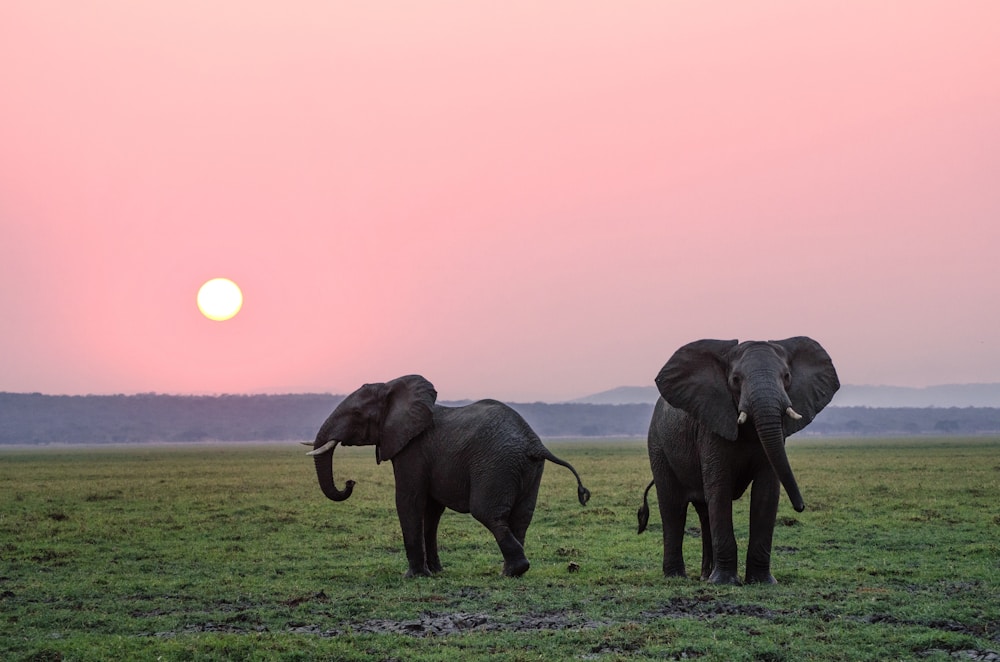
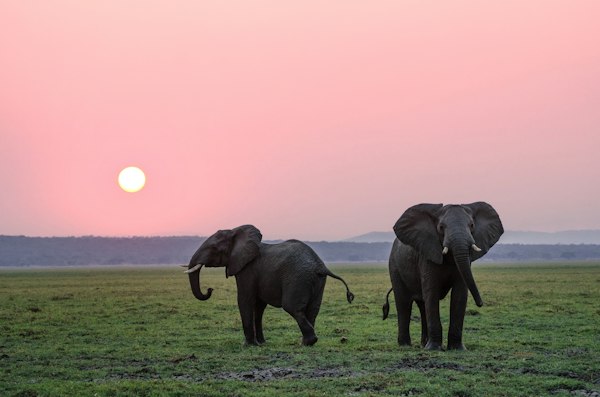
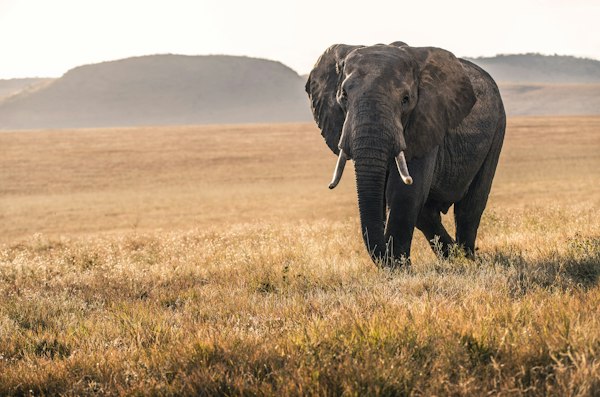
Tarangire's elephant population is staggering by any standard. During the dry season from June to October, as water sources outside the park fail, elephants from across the ecosystem converge on the Tarangire River. Herds that might number 20 or 30 individuals merge into larger groups, and those merge further. It is not unusual to watch a single continuous elephant procession of over 200 animals moving along the riverbank. Herds exceeding 300 individuals have been documented — a spectacle with few equivalents anywhere on the continent.

But beyond the numbers, Tarangire's elephants offer a quality of encounter that is hard to find elsewhere. The park's terrain — open savanna with river courses, termite mounds, and scattered baobabs — allows sustained viewing at close quarters without obstruction. Elephants move at their own pace, dig in dry riverbeds with their tusks to access underground water, spar and play, and occasionally stroll directly past vehicles with a complete lack of concern for the humans inside. The largest-tusked bulls tend to concentrate in the more remote southern section of the park.

Elephant viewing tip
Getting the most from elephant viewing

The best elephant sightings in Tarangire are along the river in the northern section early morning and at dusk, and at the Silale Swamp in the south from September to November. Midday elephants often retreat to shade — follow them into the acacia and baobab woodland where they browse and rest, rather than waiting by the river. Ask your guide specifically about dry riverbed digging behaviour: watching an elephant excavate an underground water source with its tusks is one of the park's most memorable sights.


The Ancient Landscape

Baobab Trees — A Thousand Years Old

No single feature defines Tarangire's visual identity more completely than its baobab trees. They are everywhere in the northern section of the park, scattered across the red-earth savanna in groups and standing alone on ridgelines, their massive swollen trunks reaching circumferences of 25 to 30 metres and their branches spreading in the inverted-root shape that has earned them the description "trees planted upside-down."

The oldest baobabs in Tarangire are estimated at over 1,000 years old. These are trees that were already ancient when the first European set foot in East Africa. A single baobab trunk can store 300 to 900 litres of water — an evolutionary adaptation to the extreme seasonal drought that defines this landscape. During the dry season, when the park turns from green to gold, elephants peel and eat the bark of baobabs to access this stored moisture, leaving them with distinctive scarred and stripped trunks that persist for decades.

The baobab-elephant relationship is at the core of Tarangire's ecology — and the core of its visual character. Watching an elephant herd move through a grove of baobabs at golden hour is one of the most photographed scenes in African wildlife, and Tarangire is the only park on the northern circuit where this encounter is essentially guaranteed, rather than hoped for.

1,000+
Years — oldest baobab estimates
Still actively used by elephant and wildlife
25–30m
Trunk circumference at widest
4+ adults can barely link hands around them
900 L
Max water stored in a single trunk
Critical dry-season resource for elephants

Wildlife — Big Four & Beyond

Four of the Big Five — and Unique Species Found Nowhere Else

Tarangire is a Big Four park — lion, leopard, elephant, and buffalo are all present in significant numbers, but there are no black rhino. For rhino, the Ngorongoro Crater is the next stop on the circuit and easily combined. What Tarangire lacks in rhino it more than compensates for elsewhere: it holds several antelope species found nowhere else on the northern circuit, a higher diversity of bird life than the Serengeti, and the only reliable opportunity on the entire Tanzania northern circuit for a guided walking safari.

The tree-climbing lions are Tarangire's most distinctive predator story. The same behaviour is famous at Lake Manyara to the north, but it occurs with regular frequency in Tarangire too — specifically in the sausage trees (Kigelia africana), whose dense canopy and thick horizontal branches make ideal platforms for lions to escape ground-level insects, catch a breeze, and survey the surrounding grassland. Seeing a large male lion draped over a sausage tree branch, tail hanging, is one of the quintessential Tarangire moments.

Beyond the headline species, Tarangire is the best place in Tanzania to see rare antelope including fringe-eared oryx, greater kudu, and lesser kudu — species absent from the Serengeti and Ngorongoro. With over 550 recorded bird species, including several endemics and near-endemics found only in the Tarangire-Manyara ecosystem (yellow-collared lovebird, ashy starling, rufous-tailed weaver, Tanzanian red-billed hornbill), the park is a world-class birdwatching destination in its own right.
Wildlife note
No rhino — and what to do about it

If completing the full Big Five is important for your itinerary, pair Tarangire with Ngorongoro Crater — the two are on the same road between Arusha and the Serengeti, requiring no detour. Ngorongoro holds 20 to 30 black rhino on its crater floor with some of the most reliable sightings in East Africa. Between the two parks, a single itinerary can comfortably cover all five Big Five species.


What to Do

Activities — More Than Any Other Northern Circuit Park

Tarangire offers more activity variety than any other park on the Tanzania northern circuit. While the Serengeti and Ngorongoro are essentially vehicle-only safari experiences, Tarangire permits three additional activities that change the entire character of a visit.

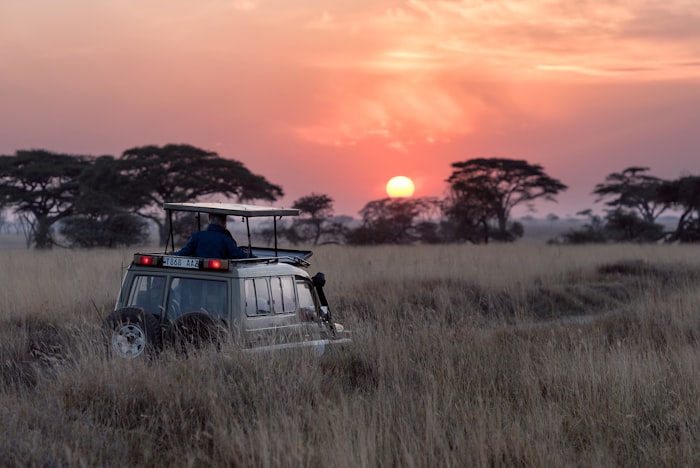
Game drive through Tarangire National Park past ancient baobab trees and elephant herds
The Core Experience

Day Game Drive — Baobabs, River & Silale Swamp

Full day · Morning start recommended · 4x4 open-sided vehicle

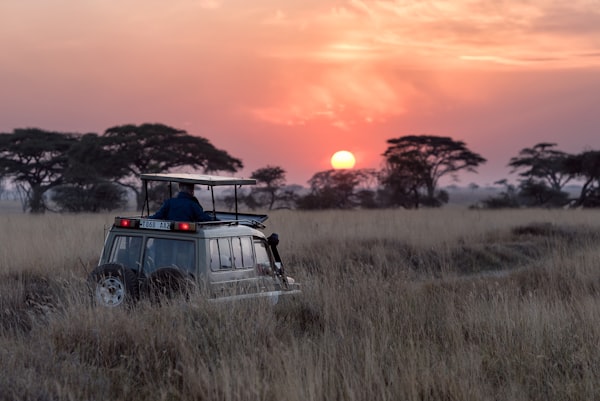
A full day's game drive in Tarangire covers three distinct zones: the northern river corridor, where the greatest elephant concentrations gather and where most camps are positioned; the central baobab-woodland section, the park's visual signature; and the Silale Swamp in the south, a seasonal wetland that becomes one of East Africa's premier predator-viewing sites in September and October as predators and prey converge on the last standing water. Most visitors only see the northern section — ask your guide to push further south on at least one drive.

Walking safari in Tarangire National Park guided walk through baobab woodland
Only on Northern Circuit

Guided Walking Safari — The Bush at Ground Level

2–4 hours · Armed guide required · Available through select camps · From $50pp supplement

Walking safaris are one of Tarangire's most distinctive offerings — and one of the experiences that separate it most clearly from Serengeti and Ngorongoro, where walking is not permitted. At ground level in baobab woodland, with elephant herds occasionally visible 100 to 200 metres away, the entire scale and character of the bush changes. Your guide reads the landscape for tracks, dung, and fresh signs of animal movement. Insects, birds, plants, and termite architecture that are invisible from a vehicle become the centre of attention. The experience is genuinely different from any vehicle-based game drive, and consistently rated by returning guests as one of the most memorable things they've done in Tanzania. Oliver's Camp and Nimali Tarangire both have outstanding walking safari programmes.

Night game drive in Tarangire National Park revealing nocturnal wildlife in torchlight
Unique to Tarangire

Night Game Drive — Nocturnal Tarangire

3–4 hours from dusk · Spotlight-equipped vehicle · Available through select camps

The Tarangire available in daylight is only half the park. After dark, an entirely different cast of characters emerges: aardvark digging in termite mounds, porcupine and crested francolin on the roads, genet and civets moving through the scrub, and the yellow eye-shine of bush babies staring from the branches. Lions hunt differently at night — their movements more purposeful, their cooperation with the pride more visible in the spotlight. A night drive in Tarangire is one of the most electric safari experiences available anywhere in northern Tanzania, and one that most visitors to the Serengeti and Ngorongoro never access. Available through Oliver's Camp, Nimali Tarangire, and select licensed operators.

Birdwatching in Tarangire National Park with binoculars spotting endemic species
For Birders

Birdwatching — 550+ Species Including Tarangire Endemics

Year-round · Peak: November–May with migrants present · Binoculars essential

Tarangire is consistently ranked among the top birdwatching destinations in East Africa. Over 550 species have been recorded in the park, including several that are endemic or near-endemic to the Tarangire-Manyara ecosystem and found nowhere else in Tanzania: the yellow-collared lovebird, ashy starling (found only in Tanzania), rufous-tailed weaver, and Tanzanian red-billed hornbill. The baobab trees themselves are important nesting sites for various raptors and hornbills. Ostriches, secretary birds, and kori bustards are commonly seen on open ground, while the river courses attract kingfishers, herons, storks, and the occasional fish eagle.


Timing Your Visit

Best Time to Visit Tarangire 2026

Unlike Ngorongoro (where wildlife is year-round), Tarangire's wildlife experience changes dramatically between wet and dry season. The difference is essentially the difference between a good safari and a great one. The Tarangire River is the organizing principle: when outside water fails, everything comes to it.

June – October · Dry Season
Peak — Maximum Elephant Density, Best Predator Action
This is Tarangire at its most spectacular. As outside water sources fail from June onwards, elephants, zebra, wildebeest, buffalo, and their predators concentrate along the Tarangire River in ever-increasing numbers. By September and October, the Silale Swamp becomes one of East Africa's premier predator-viewing sites. This is the single best period to visit for classic Tarangire experiences. Vegetation is thinning and golden, views are long, and the atmosphere of a great dry-season safari is palpable.
July – August · Peak Dry Season
Excellent Conditions — Cooler Temperatures
The heart of the dry season is cooler and comfortable, with daytime temperatures dropping to the low-to-mid 20s°C. Elephant concentrations along the river are already building strongly. This window has the advantage of slightly fewer visitors than September-October, without significantly sacrificing elephant density. One of the best months to combine Tarangire with the Serengeti Great Migration if timing a full northern circuit itinerary.
November – April · Green Season
Lush & Quiet — Best Birdwatching, Lower Prices
The rains transform Tarangire into a lush green landscape. Migratory bird species arrive from Europe and Asia (over 200 migratory species), making this the best window for birdwatching. Wildlife disperses away from the river as water is available everywhere, making animal-finding more challenging for general game drives. Prices are lower, vehicles fewer, and the landscape more photogenic. A good choice for birders and photographers who prioritize exclusive access and green scenery over maximum elephant density.
March – May · Long Rains
Quietest — Good Value, Trickiest Roads
March to May marks the long rains — Tarangire's quietest period with the lowest visitor numbers and hotel prices, but also the most challenging road conditions. Wildlife dispersal is at its maximum, with animals spread across a huge area. The park is open and accessible by 4x4 throughout, but this window suits experienced travelers comfortable with longer drives between sightings rather than first-time safari guests expecting high frequency encounters.

Getting There

How to Get to Tarangire from Arusha

Tarangire is the closest national park to Arusha on the northern circuit, and the most accessible for a day trip from the city. At approximately 120 km from Arusha, the main gate is reached via paved road in roughly 2 to 2.5 hours — making Tarangire a natural first or last stop on any northern circuit itinerary.

Route Distance Time Notes
Arusha → Tarangire (main gate) ~120 km ~2–2.5 hrs Paved road, easy access
Arusha → Lake Manyara → Tarangire ~170 km ~3.5 hrs Adds Manyara NP to route
Tarangire → Ngorongoro (via Mto wa Mbu) ~160 km ~3.5 hrs Standard northern circuit
Light aircraft — Arusha Airport → Kuro airstrip ~25 min 25 min Then 1 hr drive to most camps
Route tip
Visit Tarangire before Serengeti and Ngorongoro

One experienced guide's advice heard repeatedly: visit Tarangire first, before Serengeti and Ngorongoro. Not because it's lesser — but because after two days on the Serengeti plains and a morning inside Ngorongoro Crater, Tarangire's more intimate baobab-and-river landscape can feel comparatively quiet. In reverse order, the build-up from Tarangire's ancient landscape to the vast Serengeti and then the enclosed drama of Ngorongoro creates a progression that many travelers find more satisfying. The standard route — Tarangire first, then Ngorongoro, then Serengeti — exists for this reason.


Where to Stay

Tarangire Lodges & Camps — Across Every Tier

Accommodation in and around Tarangire ranges from affordable tented camps a few minutes from the main gate to ultra-luxury properties deep in the park's southern concession with private game drives and walking safaris. Location is the most important variable — camps inside the park, or on its immediate boundary, give access to game drives at first light and last light, and allow wildlife to move freely through the camp itself. Budget options tend to be near the gate or outside the park boundary, adding 30 to 60 minutes of driving before the first game-viewing begins.

Tarangire Safari Lodge on a bluff above the Tarangire River Mid-Range

Tarangire Safari Lodge

On a natural bluff above the Tarangire River · Inside the park

The oldest permanent lodge in Tarangire, built on a bluff with sweeping panoramic views over the river below. Twin tents and stone bungalows, open-sided dining room, pool. River wildlife is visible from the terrace without entering a vehicle. Classic mid-range Tarangire experience.

River views Pool Night drives Bush walks
Tarangire Sopa Lodge among baobab trees in the park Mid-Range

Tarangire Sopa Lodge

Among baobab trees on the savanna plains · Inside the park

75 rooms including wheelchair-accessible options — one of the larger properties in Tarangire. Good infrastructure for families and groups, with conference facilities, restaurant, bar, TV room, pool, and gift shop. Less intimate than smaller camps but reliable value at a mid-range price point.

75 rooms Pool Family-friendly Accessible rooms
Oliver's Camp Tarangire intimate wilderness tented camp Luxury

Oliver's Camp

Remote southern section near Silale Swamp · Inside the park

Founded in 1992 by conservationist Paul Oliver, this intimate 10-tent camp retains a pioneering wilderness feel. The guiding here is exceptional — some of the most experienced in Tanzania. Best-in-park option for walking safaris and night drives. Bucket showers, canvas walls, the sound of the bush at night. For serious wildlife enthusiasts.

10 tents only Walking safari specialist Night drives Near Silale Swamp
Nimali Tarangire luxury tented lodge with elephant waterhole views Luxury

Nimali Tarangire

Northern boundary, Maasai concession · Private reserve bordering the park

Only 6 tented rooms — one of Tarangire's most exclusive properties. State-of-the-art bathrooms, private balconies, slate tile floors, elegant decor. The dining area and pool overlook a waterhole where elephants visit regularly. Walking safaris and night drives in the private concession add activity variety not possible inside the park itself.

6 rooms only Waterhole views Walking safari Night drives
Sanctuary Swala Camp luxury canvas tents overlooking Gurusi Swamp Tarangire Luxury

Sanctuary Swala Camp (A&K)

Southern Tarangire, Gurusi Swamp · Inside the park

12 luxurious canvas tented rooms tucked into a stand of acacia overlooking the Gurusi Swamp and a waterhole that regularly draws elephant, lion, and leopard. King-size beds, en-suite bathrooms, private decks, unlimited Wi-Fi. Remote southern location means fewer vehicles and exceptional predator viewing from September to November.

Swamp views Night drives Bush dinners Private decks
Elewana Tarangire Treetops baobab treehouse lodge Tanzania Superior Luxury

Elewana Tarangire Treetops

Private concession northeast of the park · Inside baobab woodland

The most architecturally extraordinary lodge in Tarangire: treehouses built around living baobab and acacia trees, up to three storeys high, with personal Maasai escort between units at night. The experience of sleeping inside an ancient baobab grove with elephant and giraffe outside is genuinely unlike anything else in Tanzania. Consistently among the top-rated lodges on the northern circuit.

Baobab treehouse Maasai escort Private game drives Elephant waterhole
Booking note
Book well ahead for 2026

Tarangire's popularity is rising and the best-positioned lodges — especially Oliver's Camp, Nimali, and Swala — sell out their dry-season dates 9 to 12 months in advance. Book accommodation before finalizing your itinerary, not after. If specific lodge dates aren't available, Resilience Safaris can recommend equivalent alternatives at comparable positions and price points — contact us with your travel dates and we'll confirm what's available.


Expert Answers

Frequently Asked Questions

  • Tarangire is famous primarily for its enormous elephant herds — during the dry season herds regularly exceed 300 individuals, making this Tanzania's highest-density elephant destination. It is also known for its ancient baobab trees (some over 1,000 years old), tree-climbing lions resting in sausage tree branches, and over 550 bird species including endemics found nowhere else in Tanzania. Despite these credentials, it receives far fewer visitors than the Serengeti or Ngorongoro, giving it an exclusivity that safari veterans prize highly.
  • The best time is the dry season from June to October, when elephant herds of several hundred animals concentrate along the Tarangire River. September and October offer particularly dramatic predator viewing at the Silale Swamp as prey gathers around the last water. The green season from November to May is better for birdwatching with migratory species present, lower prices, and fewer vehicles — but wildlife disperses widely away from the river, making animal-finding more challenging for general game drives.
  • Tarangire National Park is approximately 120 kilometres from Arusha, a journey of roughly 2 to 2.5 hours by road via a paved main highway. It is the closest national park to Arusha on the northern safari circuit, which makes it a natural first stop on any multi-day itinerary and the most accessible destination for a day trip. Resilience Safaris includes hotel pickup from Arusha or Moshi for all Tarangire visits.
  • No. Tarangire National Park does not have rhino. Four of the Big Five are present — lion, leopard, elephant, and buffalo — but black rhino is absent. For rhino sightings, Ngorongoro Crater is the most reliable destination in Tanzania, with an estimated 20 to 30 individual black rhinos on the crater floor. Ngorongoro is easily combined with Tarangire on a northern circuit itinerary since both are on the same road between Arusha and the Serengeti.
  • Tarangire and the Serengeti offer very different safari experiences. Tarangire is compact (2,850 km² vs Serengeti's 14,763 km²), has dramatically higher elephant density, and is defined by its ancient baobab landscape and the Tarangire River corridor. The Serengeti is defined by scale, open grassland, and the Great Wildebeest Migration. Tarangire also sees significantly fewer visitors and is the only northern circuit park where walking safaris and night drives are available. Most travelers combine both parks on a northern circuit since they complement rather than duplicate each other.
  • Yes — Tarangire is one of the few parks on Tanzania's northern circuit where guided walking safaris are available and permitted in designated zones. Walks are offered by several licensed camps including Oliver's Camp and Nimali Tarangire, led by armed, trained guides. Walking at ground level in Tarangire — in baobab woodland with elephant herds occasionally visible 100 to 200 metres away — is widely regarded as one of the most memorable safari experiences available in northern Tanzania. Night game drives are also available through licensed operators at select camps.
Planning a Tarangire visit? Resilience Safaris — Moshi