- Shared 4x4 pop-up roof safari vehicle (max 7)
- Tarangire National Park entry fee included
- Morning game drive — Tarangire River circuit
- Afternoon game drive — Silale Swamp circuit
- Licensed expert naturalist guide
- Picnic lunch at the river included
- Bottled water throughout the day
- Hotel pickups and drop-offs Arusha
Park Overview
Tarangire National Park — Tanzania's Elephant Kingdom
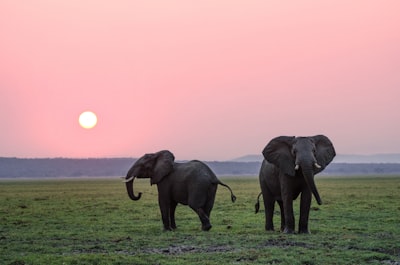
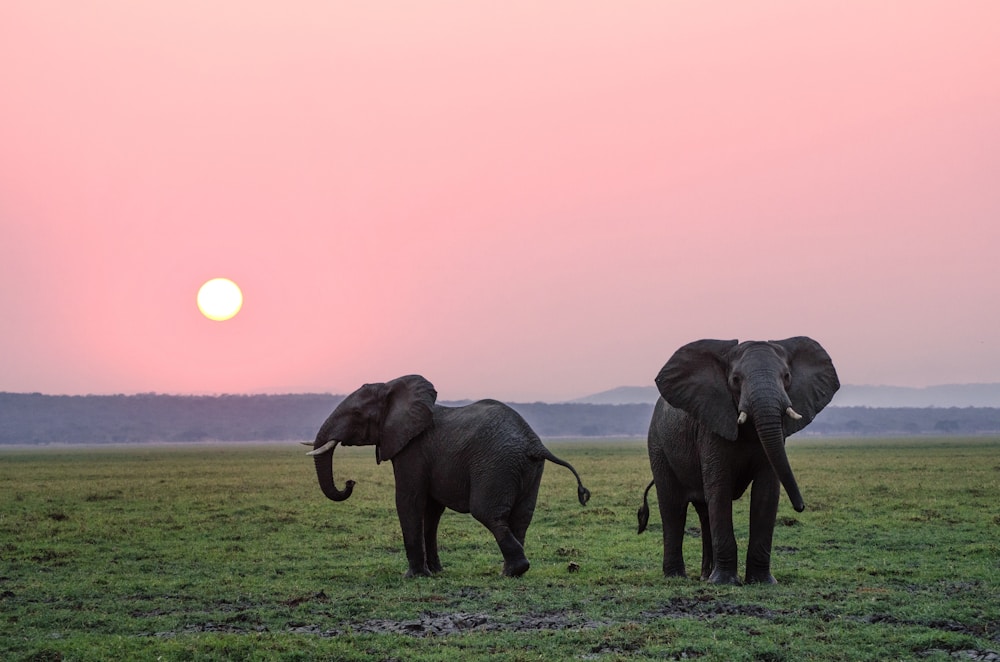
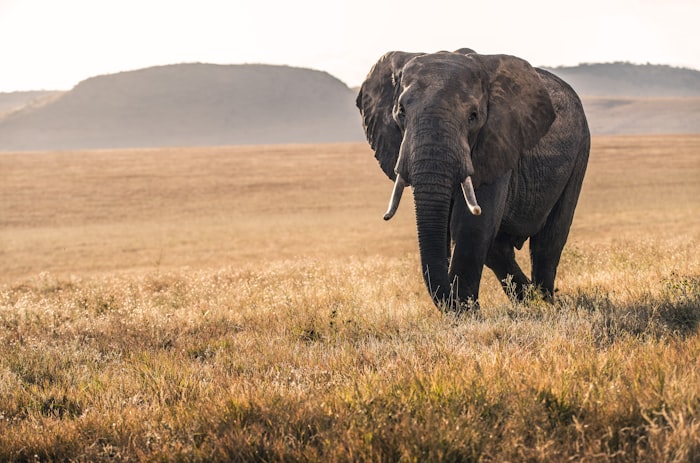
Tarangire National Park is Tanzania's most underappreciated wildlife destination — and its most spectacular for a single category of encounter. The park's name means "river of warthogs" in the local language, but it is elephants that define Tarangire completely. With an estimated 3,000 to 10,000 elephants using the park and its surrounding ecosystem across the year, and dry-season concentrations of 300 or more individuals gathering along the permanently flowing Tarangire River, this 2,850 km² park between the Great Rift Valley and the Masai Steppe offers elephant encounters impossible to replicate anywhere else on the northern safari circuit.
The 1-day Tarangire safari from Resilience Safaris covers the complete northern game drive circuit in two sessions: a morning drive from the park gate through the baobab woodland, along the Tarangire River zone, and into the open acacia savanna where elephant, lion, giraffe, and zebra are most concentrated; and an afternoon drive covering the Silale Swamp zone — home to the park's famous tree-climbing lions — and the Gursi circuit for lesser kudu, fringe-eared oryx, and cheetah. Picnic lunch at the river. Return to Arusha by early evening. Elephant sightings are considered 99% guaranteed across all seasons.
Tarangire is also the correct answer for a specific traveller profile: guests who want authentic Big Five–country wildlife at a lower price point than the Serengeti, with fewer vehicles in the park, more time with individual sightings, and a landscape — the baobab-dotted savanna against the dry Tarangire riverbed — that is genuinely unlike anything else on the northern circuit. Safari veterans consistently rank Tarangire among their favourite Tanzania parks. A single day here delivers more elephant encounters than most week-long itineraries elsewhere.
Between June and October, as water sources across the Masai Steppe dry completely, elephants migrate to the Tarangire River from as far as 25 km away — drawn from Lake Manyara and the surrounding ecosystem to the park's only permanent water source. By August and September, herds of 300 or more individuals gather at the river simultaneously: breeding herds with calves, large bulls, sparring adolescents. Watching 300 elephants drink, bathe, and interact from a stationary vehicle on the river bank is one of the most extraordinary wildlife encounters available anywhere in Africa. On a 1-day safari in peak season, this scene is not a highlight — it is the centrepiece.
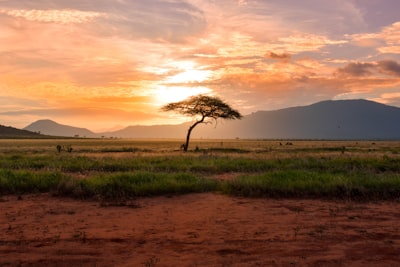
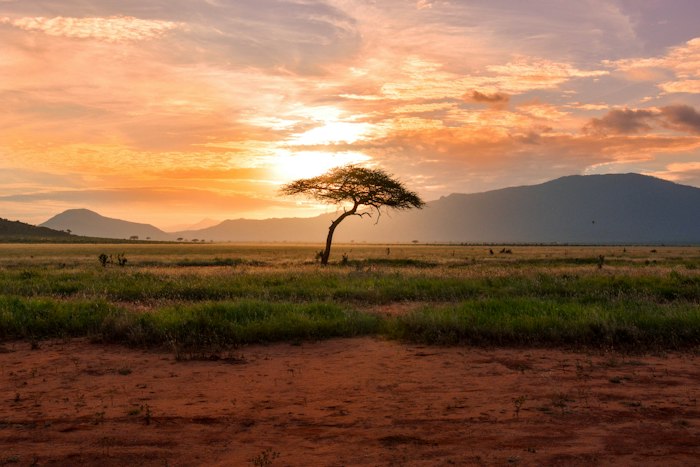
Tarangire's acacia-baobab savanna is one of the most photographed landscapes in Tanzania. Individual baobab trees in the northern zone predate European contact with Africa by centuries — some are estimated to be over 1,000 years old. Their sculptural forms against the dry riverbed and open sky create the visual identity of the park. Elephants interact directly with the baobabs throughout the day — stripping bark with their tusks to reach the moisture-rich wood beneath, and feeding on the fruit during the wet season. The guide navigates the baobab woodland in both the morning and afternoon drives, and afternoon light in the dry season turns the landscape amber and gold.
The Silale Swamp zone in the south of Tarangire's northern circuit is home to a lion population classified as a Lion Conservation Area since 2005 — the park's lions are monitored and resident rather than transient. The Silale lions are known for their tree-climbing behaviour, resting in the branches of sausage trees and acacias above the floodplain — a habit unusual in lions and shared in Tanzania only with the populations of Lake Manyara. The same zone holds Tarangire's rock pythons, which position in the branches of sausage trees (Kigelia africana) waiting to ambush prey. The guide navigates the Silale circuit on the afternoon drive, using current lion positioning from the guide network.
Tarangire holds several mammal species that are either very rare or entirely absent in the Serengeti, Ngorongoro, and Lake Manyara — the three other parks on the standard northern circuit. The fringe-eared oryx, with its distinctive black-tipped ear fringes and long horns, is a semi-arid specialist present in Tarangire year-round. The lesser kudu — a beautiful spiral-horned antelope — is found in the dense acacia thicket zones of the northern circuit. The gerenuk, which stands on its hind legs to browse from trees, is occasionally spotted in the park's driest zones. These species alone make Tarangire an essential inclusion for wildlife enthusiasts who have already covered the other northern parks.
What You Will See
Tarangire Wildlife Sighting Guide
Probability key: ● Almost certain ● Very likely ● Possible — present in park
No rhino in Tarangire National Park. Big Five: elephant (certain), lion (very likely), leopard (possible), buffalo (likely). Rhino absent.
When to Visit
Best Time for a Tarangire Day Safari
Tarangire is a genuinely year-round park — but its two seasons deliver fundamentally different experiences. The guide's advice: if you want the elephant herds, go in the dry season. If you want birdwatching and a lush green landscape with fewer tourists, go in the green season. Either way, elephants are sighted on virtually every day trip.
Day Programme
1-Day Tarangire Safari Full Programme
-
The day begins with an early hotel pickup from Arusha (approximately 06:00) or Moshi (approximately 05:30 for the longer drive). The 2 to 2.5-hour journey southwest via the Great North Road passes through Maasai country — the guide begins pointing out wildlife and landscape features along the road before the park gate. Entry at Tarangire Gate by 08:30–09:00. The morning drive follows the Tarangire River north-south corridor — the park's primary wildlife zone and the location of the majority of elephant encounters.
-
06:00Hotel pickup Arusha (05:30 from Moshi)
Early departure essential to reach the park at gate opening and maximise morning activity. The drive southwest on the Dodoma Road passes through Maasai pastoralist territory with occasional roadside giraffe and zebra visible before the park.
-
08:30Tarangire Gate — entry and briefing
Park entry fee paid (included). The guide briefs the group on current wildlife positions based on morning network intelligence from resident guides — elephant herd locations at the river, lion pride positions from the overnight report, any cheetah activity in the open plains.
-
09:00Baobab woodland circuit — first elephant encounter
The first section of the morning drive navigates the ancient baobab woodland immediately inside the gate. Elephant family groups feeding on bark and browsing in the open acacia savanna are typically encountered within the first 15–30 minutes. The guide reads fresh elephant tracks and directional signals — positioning the vehicle at the river bank before the main herd arrives at the water.
-
10:00Tarangire River — elephant herds at the water
The dry-season Tarangire River drive is the definitive Tarangire experience. Up to 300 elephants gather at the main river crossing zones during peak season — breeding herds with calves, large bulls competing for access, adolescent groups interacting on the bank. The guide positions the vehicle stationary at the river's edge. Lion, giraffe, zebra, wildebeest, and buffalo also congregate along the river corridor throughout the morning.
-
11:30Open plains game drive — predator zone
The morning drive extends from the river into the open short-grass plains between the baobab woodland and the river valley — the primary hunting zone for lion, cheetah, and leopard. The guide uses elevated termite mounds for scanning. Fringe-eared oryx and lesser kudu are typically encountered in the acacia thicket edges on this section.
-
13:00Bush picnic lunch — riverside or under the baobabs
Packed picnic lunch at the designated riverside picnic site or in the field if the guide has positioned at an active sighting. Water, juice, and packed food provided. The guide continues scanning during lunch — lion kills are often scavenged midday by vulture and hyena, and the commotion directs the team toward the next encounter.
Elephant herd up to 300LionMasai GiraffePlains ZebraWildebeestAncient BaobabsFringe-eared OryxLesser Kudu -
-
The afternoon drive covers the Silale Swamp circuit — the park's southern wet zone where the resident lion population is concentrated, where rock pythons drape themselves in sausage tree branches, and where buffalo herds and waterbuck congregate around the permanent water. The Silale lions are monitored daily by the guide network and current positions are confirmed before the afternoon drive begins. Return to the park gate by 17:00 for the drive back to Arusha or Moshi.
-
14:00Drive south to Silale Swamp zone
The guide receives the afternoon Silale lion network report during lunch. The afternoon approach to the swamp zone passes through the open Gursi plains — excellent for cheetah scanning on the flat, short-grass terrain — before reaching the swamp edge.
-
14:30Silale Swamp — lion prides and tree-watching
The Silale pride's known tree positions are checked first. Tree-climbing lions in Tarangire are most commonly found in the late morning and early afternoon, resting in the horizontal branches of sausage trees and large acacias above the waterlogged swamp floor. The guide also checks the sausage trees for python — rock pythons up to 5 metres are resident in the zone and occasionally spotted coiled in the canopy.
-
15:30Swamp edge — buffalo herds, waterbuck, and birding
The seasonal swamp edge hosts large buffalo aggregations year-round. The wetland vegetation attracts the park's most diverse bird concentrations — yellow-collared lovebird, Ashy starling, stork species, saddle-billed stork, Fulvous whistling-duck, and the endemic Tanzanian red-billed hornbill. For birding guests, the swamp zone is the afternoon's primary focus.
-
16:30Exit Tarangire Gate — return drive to Arusha or Moshi
Exit the park. Return drive northeast via the Great North Road. Arrive Arusha approximately 19:00 (18:30 possible in low traffic). Moshi drop-off approximately 20:00. Hotel drop-offs included.
Tree-climbing LionsRock PythonBuffalo herdsWaterbuckSaddle-billed StorkYellow-collared LovebirdCheetah (Gursi plains) -
Booking Options
Shared Vehicle or Private Day Safari
Same park, same guide, same two game drives. The shared option joins other guests — the private option is exclusively yours with full timing flexibility.
- Exclusive private 4x4 vehicle — your group only
- Tarangire National Park entry fee included
- Morning game drive — full Tarangire River zone
- Afternoon game drive — Silale Swamp and Gursi
- Full flexibility to stay at any sighting indefinitely
- Licensed expert naturalist guide — yours alone
- Picnic lunch included
- Hotel pickups Arusha or Moshi
What is Covered
Inclusions and Exclusions
- Tarangire National Park entry fee ($50 peak / $45 low season, nonresident adult)
- 4x4 safari vehicle with pop-up roof hatch
- Licensed expert naturalist guide (English speaking)
- Morning game drive — Tarangire River and baobab circuit
- Afternoon game drive — Silale Swamp zone
- Picnic lunch at the riverside picnic site
- Bottled water throughout the day
- Hotel pickup and drop-off in Arusha
- Moshi hotel pickup (available, small supplement applies)
- KIA / JRO airport pickup (available on request)
- Tanzania tourist visa (approximately $50 USD online)
- Personal travel and medical evacuation insurance
- Alcoholic beverages
- Gratuity for guide ($10–$15 recommended)
- Personal spending money and items
How It Compares
1-Day Tarangire vs Other Day Safari Options
| Option | Duration | Elephant Rating | Unique Feature | From |
|---|---|---|---|---|
| 1-Day Tarangire (this) | Full day · 2 drives | 99% guaranteed | Herds 300+ · Baobabs · Tree lions | $130 |
| 1-Day Arusha National Park | Full day | Occasional | Walk · Canoe · Colobus monkey | $120 |
| 3-Day Group Joining Safari | 3 days / 2 nights | Tarangire Day 1 | + Lake Manyara + Ngorongoro | $590 |
| 4-Day Group Joining Safari | 4 days / 3 nights | Tarangire Day 1 | All 4 parks incl. Serengeti | $760 |
What guests say about the Tarangire day safari

"I had one day between arriving in Arusha and my Serengeti safari starting. We did the Tarangire day trip and I genuinely could not believe what we saw. At one point we stopped at the Tarangire River and there were easily 150 elephants in both directions along the bank — calves swimming, bulls sparring, matriarchs moving through the shallows. It is the single most spectacular wildlife moment I have ever witnessed. One day in Tarangire is not 'enough' — it is an entire experience."

"I am a birdwatcher and chose Tarangire for the 550 species. But what happened on the afternoon drive at Silale Swamp was something I never expected — we found a lion asleep in a sausage tree branch, perfectly horizontal, tail hanging down. The guide had known exactly where to go. Then the python — coiled around a branch 3 metres up. In one afternoon at the swamp I saw things I had never imagined seeing in a national park. The guide's knowledge was genuinely exceptional."

"We had done the Serengeti and Ngorongoro on a previous trip and people said Tarangire was not as impressive. They were completely wrong. The scale of elephants in Tarangire is like nothing you see anywhere else. And the baobabs — there are trees there that are older than Portugal as a country. I photographed one elephant family for forty minutes without moving the vehicle. One of the best safari days of my life."
Expert Answers
Frequently Asked Questions
-
Tarangire National Park gate is approximately 118 to 120 km southwest of Arusha city, along the Great North Road (Dodoma Road). The drive takes 2 to 2.5 hours depending on traffic and road conditions. From Moshi, the total distance is approximately 160 km and the drive takes 3 to 3.5 hours. Both Arusha and Moshi hotel pickups are available — Moshi guests depart approximately 30 minutes earlier. From Kilimanjaro International Airport (KIA), the park is approximately 150 km and 2.5 hours by road. The gate altitude is approximately 1,100 metres above sea level — significantly lower and hotter than Arusha, especially in the dry season.
-
African elephant is essentially guaranteed — elephant sightings occur on virtually every day trip to Tarangire regardless of season, though dry-season herd sizes are dramatically larger. Masai giraffe, plains zebra, wildebeest, impala, warthog, waterbuck, and dik-dik are reliably seen throughout the park. African lion is very likely — the Silale pride is resident and the afternoon drive is specifically planned around current positioning from the guide network. African buffalo is common near the river and swamp. Fringe-eared oryx and lesser kudu are Tarangire specialities reliably seen in the acacia thicket zones. Cheetah, leopard, and rock python are possible but require luck and guide positioning. African wild dog is rarely seen. Over 550 bird species are present — a single day in Tarangire routinely delivers 60 to 100 species for attentive birdwatchers.
-
The dry season, June to October, is the best time for elephant viewing. As water sources across the Masai Steppe dry up, elephants migrate from across the ecosystem to the Tarangire River — the only permanent water source. Herds of 100 to 300 individuals are common from July to October, with peak concentrations in August and September. During this period, Tarangire has the highest concentration of mammals of any national park in Tanzania. However, the green season (November to May) still delivers guaranteed elephant sightings — just smaller herds more spread out across the park. The green season brings dramatically lush vegetation, migratory birds (November to April), calving season (January to February), fewer tourists, and lower prices. Both seasons are genuinely rewarding — the choice depends on whether elephant herd scale or green landscapes and birding are the priority.
-
One full day with two game drives — morning and afternoon — covers the northern zone of Tarangire comprehensively: the baobab woodland, the Tarangire River corridor, the open plains, and the Silale Swamp circuit. This covers the three primary wildlife zones within reach of a day trip. The southern reaches of the park (Larmaku Swamp, the Minjingu Escarpment) require an overnight to visit — but these zones add depth to the Tarangire experience rather than replacing the day trip zones. One full day in Tarangire consistently delivers more memorable wildlife encounters — and more elephants — than most two-day safari extensions in other northern parks. If you can only do one day trip from Arusha and want the most wildlife for your time, Tarangire is the correct answer.
-
The 1-day Tarangire safari is right for guests who have only one day available — before a Kilimanjaro climb, between other travel commitments, or at the end of a longer trip. It is also the right choice for guests who have already done a multi-day safari and want a specific Tarangire day. The 3-day, 4-day, or 5-day group joining safaris include Tarangire as Day 1 and then continue to Lake Manyara, Ngorongoro, and the Serengeti. If you have 3 or more days, the group joining safari delivers significantly more: three or four additional parks, overnights inside the circuit, and a cumulative wildlife experience that a single day cannot replicate. If you have only one day, the 1-day Tarangire safari delivers Tarangire completely — and Tarangire in a single day is genuinely extraordinary.
-
Tarangire contains four of the Big Five — elephant, lion, leopard, and buffalo. Rhino are not present in the park. Elephant sightings are virtually certain. Lion encounters are very likely on the afternoon Silale drive if the guide has current positioning. Buffalo are reliably seen near the river and swamp. Leopard is possible but requires luck — they are present but secretive. Three Big Five species in one day (elephant, lion, buffalo) is a realistic expectation on a well-guided Tarangire day trip. Four species (adding leopard) happens regularly but not on every trip. For guests who specifically want rhino as part of the Big Five, the Ngorongoro Crater — covered on Days 3 of the group joining safari — is the correct destination.