Tanzania beyond the big safari parks
Tanzania Day Trips and Cultural Tours — The Complete 2026 Guide
Most Tanzania visitors come for the Serengeti and the Ngorongoro Crater — and those parks are extraordinary. But Tanzania contains a much broader world of day trips, cultural encounters, and natural experiences that most travellers never discover. The ancient Hadzabe bushmen at Lake Eyasi are one of the world's last surviving hunter-gatherer peoples. The Datoga tribe's blacksmiths have forged metal with techniques unchanged for centuries. Lake Natron's flamingo breeding colony is one of the natural world's most spectacular sights. The Materuni coffee farm on Kilimanjaro's slopes transforms the bean-to-cup journey into a deeply personal cultural experience.
All these experiences are accessible as day trips from Moshi or Arusha — Tanzania's two main northern gateway towns — and most can be combined with a Kilimanjaro climb or a northern safari circuit to create an extraordinarily rich Tanzania itinerary. This guide covers every destination in depth: the experience, the logistics, the pricing, the best season, and the cultural sensitivities that make the difference between a tourist transaction and a genuine human encounter.

Tanzania's human cultures are as extraordinary as its wildlife. The Hadzabe bushmen have been living by bow and arrow, fire by friction, and gathered food for 100,000 years in the same landscape they inhabit today — making them one of the oldest continuous cultures on Earth. The Maasai around Lake Natron maintain a pastoral relationship with the landscape that has preserved the Rift Valley's ecology for centuries. The coffee farmers of Kilimanjaro's slopes have turned a single crop into a cultural identity. Understanding these cultures through properly arranged guided visits — with community benefit, guide interpretation, and cultural respect — enriches the Tanzania experience beyond any safari can alone.
Complete day trip and cultural tour guide
All Tanzania Day Trips and Cultural Tours — Expert Guide 2026–2027
Eight definitive day trips and cultural tours from Moshi and Arusha, each explained in depth with the full experience, logistics, pricing, best time of year, and what to expect.
Moshi · 1.5 hrs from Moshi · Full day 5–7 hrs
Materuni Waterfalls & Coffee Tour
The Materuni Waterfalls and Coffee Tour is Tanzania's most satisfying single-day outdoor cultural experience — and one of the most genuinely rewarding day trips in East Africa. The tour begins at a Chagga family coffee farm on the lush southern slopes of Kilimanjaro, approximately 1,400 metres above sea level, where Mount Kilimanjaro's legendary snowmelt creates one of the most fertile agricultural environments in Africa. The Chagga people have farmed these slopes for centuries, developing sophisticated banana irrigation channels, shade-grown coffee cultivation, and a farming system so productive it supported dense Chagga settlement without requiring permanent water sources beyond their own engineered channels.
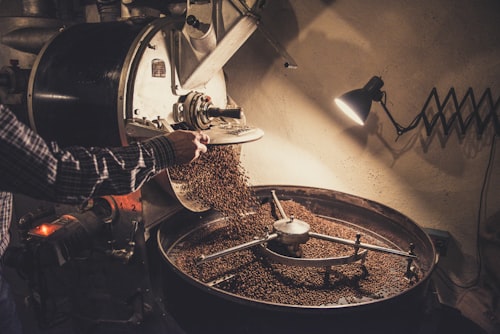
The coffee experience is genuinely comprehensive — not a tourist performance but an authentic farm-to-cup journey. You pick ripe red coffee cherries with the farmer's family, pulp them by hand on a traditional wooden wheel, ferment overnight (explained while the guide demonstrates the full process), sun-dry on raised beds, hull, roast over the family wood fire in a cast-iron pan, grind in a wooden mortar, and drink the finished cup in the farmer's kitchen. The entire process takes 2–2.5 hours of engaged activity — not passive observation but hands-on participation at every stage. The coffee grown at 1,500 metres on Kilimanjaro's volcanic slopes is genuinely exceptional quality — the same beans exported to specialty coffee markets in Europe and the USA.
The waterfall hike continues after the coffee experience — a 1.5 km walking trail through dense rainforest draped in moss and orchids, with colobus monkey calls frequently audible overhead, descending to the Materuni Waterfall at 80 metres height — one of Tanzania's most spectacular single falls, particularly beautiful in the rainy season when the volume is maximum. Swimming in the base pool below the falls is possible and refreshing after the walk. A traditional Chagga lunch (banana stew, ugali, grilled chicken, fresh vegetables from the farm) is served on the return. The full day — farm arrival, coffee experience, waterfall hike, lunch, and return transfer — is approximately 5–7 hours total.
Arusha · 15 mins from Arusha · 3–4 hrs
Lake Duluti Canoe Safari
Lake Duluti is Arusha's best-kept secret — a pristine volcanic crater lake 12 kilometres from the city centre, ringed by dense tropical forest and completely invisible from the road. The lake was formed by a collapsed volcanic cone and is fed by underground springs, maintaining a constant water level throughout the year. The surrounding forest is a designated nature reserve protecting the crater's extraordinary birdlife and the colobus monkey population that lives in the forest canopy above the water's edge.
The canoe safari is the definitive Lake Duluti experience — paddling the crater lake in a traditional dugout canoe guided by a local ornithologist who knows every bird by sight, call, and habitat. The lake hosts over 120 bird species including the African fish eagle (whose call is Africa's most recognisable sound), malachite kingfisher, pied kingfisher, little egret, goliath heron, purple heron, African jacana (walking on floating vegetation), and the elusive African pygmy kingfisher. The colobus monkeys in the surrounding canopy are frequently visible and audible from the canoe — their black-and-white bodies vivid against the forest green at the crater rim. Monitor lizards, otters (occasional), and occasionally a bushbuck or mongoose visible at the water's edge. The canoe provides the most intimate wildlife approach available — silent, low-profile, and completely non-threatening to the lake's wildlife.
Lake Duluti is the ideal half-day combination option — it pairs naturally with the Lake Manyara flamingo viewing (en route toward the northern circuit parks), with an Arusha National Park morning game drive, or as a standalone half-day for guests arriving or departing Arusha. The proximity to town (15 minutes) makes it the most accessible wildlife and nature experience available in the Arusha area without any lengthy driving.
Arusha / Moshi · 30–45 mins from Arusha · Full day 7–9 hrs
Arusha National Park
Arusha National Park is Tanzania's most underrated and accessible wildlife park — a compact 552 km² of extraordinary ecological diversity that most visitors bypass on their way to the more famous parks. This is a mistake. Arusha National Park delivers a genuinely extraordinary day wildlife experience: giraffe herds, zebra, buffalo, warthog, hippo in the Momela Lakes, flamingo (up to 5,000 individuals at times), colobus monkey in the fig forest, vervet monkey, mongoose, dik-dik, and — on clear days — Mount Kilimanjaro visible from the eastern park boundary and Mount Meru (Africa's fifth-highest peak at 4,566 metres) dominating the western skyline throughout the park. Leopard is present but rarely seen. Elephant passes through but is not resident. The park is the closest wildlife experience to Arusha's hotels and Kilimanjaro Airport.
The Momela Lakes — a string of seven shallow alkaline lakes within the park — are a globally important bird habitat with flamingo, great white pelican, Egyptian goose, various heron and egret species, and the magnificent saddle-billed stork. The forest zone (Fig Forest and the slopes of Mount Meru) hosts the largest black-and-white colobus monkey population in northern Tanzania — troops of 20–40 individuals frequently visible in the tree canopy directly above the road. The park also offers the only walking safari available in the northern Tanzania circuit parks — accompanied by an armed ranger, guests can walk through the parkland on designated trails with wildlife visible at close range. The walking safari at Arusha National Park is one of Tanzania's finest single wildlife-on-foot experiences and is included in the full-day park package.
The post-Kilimanjaro day safari at Arusha National Park is specifically popular — guests who have just descended Kilimanjaro can recover with a gentle half-day game drive (no hiking required) and see wildlife including giraffe with the summit they stood on the day before visible in the background. The park is also the preferred day trip for guests with a short Arusha transit who want a complete wildlife experience without committing to the full 4-park northern circuit.
Arusha · 2 hrs from Arusha · Full day 10–12 hrs
Tarangire National Park Day Trip
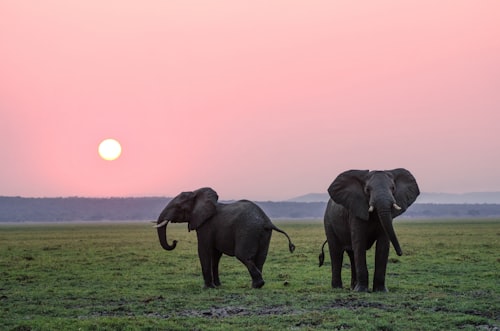
Tarangire National Park is Tanzania's finest elephant park and one of the most visually distinctive landscapes in Africa — ancient baobab trees that can live for 3,000 years, the Tarangire River cutting through dry woodland, and elephant herds of 300 or more animals that converge on the permanent water during the dry season. A Tarangire day trip from Arusha is Tanzania's finest single-day wildlife experience available within the budget day trip category — driving through the baobab landscape with elephant herds passing at close range, lion in the riverine woodland, cheetah on the open floodplain, and the ancient trees silhouetted against the afternoon golden light. This is one of the most photogenic landscapes in East Africa and one of the most reliably rewarding for wildlife encounters.
The Tarangire day trip operates year-round but is best from June to October when the dry season concentrates elephant herds at the Tarangire River — the only permanent water source for 150 kilometres in any direction during the dry months. At peak concentration (August–September), herds of 300–500 elephants are regularly encountered moving between the river and the acacia woodland, with calves of all ages, matriarchs, and impressive bull elephants in musth (heightened testosterone periods with pronounced temporal gland secretion). Beyond elephants: resident lion prides in the riverine woodland, cheetah on the open floodplain, large eland herds (the largest in East Africa), lesser kudu (found only in Tarangire in the northern Tanzania circuit), zebra, wildebeest, giraffe, buffalo, and the endemic ground hornbill walking slowly through the woodland.
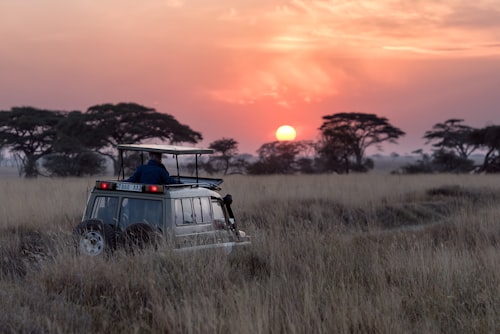
The day trip departs Arusha at 6:30 am, arrives at Tarangire gate by 9:00 am, conducts 5–6 hours of game driving, takes a picnic lunch under a shaded baobab (included), and returns to Arusha by approximately 7:00 pm. The drive through the Maasai landscape between Arusha and Tarangire is itself a cultural experience — Maasai bomas (homesteads), cattle herds, and the characteristic ochre-red robes of Maasai warriors visible throughout the 2-hour journey.
Arusha · 3.5 hrs from Arusha · Full day / overnight
Lake Natron & Maasai Village
Lake Natron is one of the most visually extraordinary landscapes in East Africa — a vast, blood-red alkaline lake in the Rift Valley floor that appears impossible and apocalyptic in equal measure. The lake's colour is produced by the pigmentation of the cyanobacteria (Arthrospira platensis) that thrive in the lake's extreme alkalinity — pH of 10.5, comparable to ammonia. The red and orange hues intensify in the dry season when the lake level drops and the cyanobacteria concentrate. The temperature at the lake surface reaches 50°C in the dry season midday heat — creating a shimmering mirage landscape of salt formations, bubbling mineral springs, and the extraordinary sight of approximately 1.5–2 million lesser flamingos nesting at the only dedicated flamingo breeding colony in East Africa.
The lesser flamingo is the world's most numerous flamingo species — and Lake Natron is where approximately 75% of the world's lesser flamingo population nests every breeding season (June–December, with peaks in August–October). The flamingos choose this extreme environment specifically because its alkalinity and temperature are lethal to most predators — the only animals that can safely approach the nesting islands are the flamingos themselves. From the lake shore, the breeding colony — a vast pink mass against the red and white salt surface with the Rift Valley walls rising 600 metres behind — is one of the most dramatic wildlife spectacles in Africa.
Beyond the lake itself, Lake Natron offers an Engare Sero Maasai village visit (a community tourism project that channels guest fees directly to village income), the Engare Sero waterfall (a beautiful freshwater spring flowing into the lake's southern end), and the ancient hominid footprints site — preserved human and animal footprints in solidified volcanic ash dating to approximately 5,000–19,000 years ago, discovered in 2006 and now a protected heritage site. The Ol Doinyo Lengai active volcano (visible from the lake shore, at 2,962 metres) is the world's only active carbonatite volcano and an optional 10-hour round-trip night hike for the adventurous. Lake Natron is best experienced as an overnight trip — the 3.5-hour drive each way makes a day trip exhausting. Overnight tented camps at the lake shore are available from approximately $80 per person per night.
Arusha · 3.5 hrs from Arusha · Best as overnight
Lake Eyasi — Hadzabe Bushmen & Datoga Blacksmiths
The Lake Eyasi cultural experience is the most profound and unusual cultural encounter available in Tanzania — and one of the most genuinely extraordinary in East Africa. The Hadzabe (or Hadza) people living in the bush around Lake Eyasi are one of the world's last remaining hunter-gatherer peoples — a community of approximately 1,200–1,300 individuals who have maintained a stone-age subsistence lifestyle in this same landscape for an estimated 100,000 years, making them one of the oldest continuous cultures on Earth. The Hadzabe speak a distinctive click language (Hadzane) unrelated to any other language family on Earth, maintain no agriculture, no livestock, and no permanent settlements — they sleep under acacia thorn trees or in simple seasonal shelters, hunt game with hand-made bows and arrow-poison, gather wild berries and honey, and dig baobab roots and tubers for water.
A properly arranged Hadzabe visit begins at dawn — when the hunters are preparing for the morning hunt. The guide (who has an established relationship with a specific Hadzabe family camp) takes guests into the bush at 6:00 am. The Hadzabe demonstrate bow-making, arrow-making with hand-ground metal points, fire-making by friction (using the Hadzane technique of spinning a hardwood stick in a soft-wood board), their click-language communication calls used while hunting, and — depending on the season — a bush hunting demonstration with live game. In berry season (January–March), guests participate in the Hadzabe berry-gathering circuit, learning to identify edible fruits from inedible ones. The Hadzabe sing their traditional songs — unmistakable click-polyphony that sounds like nothing else in the world of African music. The experience is not a performance — it is a genuine morning in the company of people whose way of life is entirely different from anything in the modern world.
The Datoga tribe visit (typically included in the same Lake Eyasi day or overnight) is a complementary cultural experience — the Datoga are the Hadzabe's long-established regional neighbours and are known throughout East Africa as the finest traditional metalworkers on the continent. Datoga blacksmiths forge iron using traditional bellows, charcoal, and hand-forged anvils, producing arrowheads, knives, bracelets, and tools from scrap metal — often from used car parts. The metalworking technique is thousands of years old and is passed father-to-son in a closed guild tradition. Guests observe the full forging process at the Datoga homestead — from raw metal to finished arrowhead — and may purchase items directly from the smith.
The Hadzabe have been described by anthropologists as "the most remarkable people alive" — not for being primitive, but for having maintained an extraordinarily sophisticated relationship with their landscape for longer than any other known culture. They know every edible plant in their territory, every animal track, every bee colony, every water source. Their knowledge of the Lake Eyasi ecosystem exceeds that of any biologist who has studied it. A morning with the Hadzabe is not an encounter with the past — it is an encounter with a different and genuinely extraordinary form of human intelligence applied to a different and genuinely extraordinary form of life. Treat this experience with the respect it deserves: ask your guide's advice on appropriate questions and behaviour, contribute fairly to the community fee, and approach the encounter with the humility of a guest in someone else's home.
The Datoga are a Nilotic pastoral people who have lived in the Lake Eyasi region for centuries in a complex relationship with the Hadzabe — trading forged metal arrowheads (which the Hadzabe cannot make) for bush meat and honey (which the Datoga cannot obtain). The exchange has been running for generations and represents one of the most fascinating inter-cultural economic relationships in anthropological history: an agricultural-metalworking people and a hunter-gatherer people in a sustained barter partnership across completely different ways of life. The Datoga forge arrowheads specifically calibrated for the Hadzabe's bow tension and game sizes — a level of technical specificity that reflects centuries of collaborative refinement. The metalworking demonstration at a Datoga homestead is both technically extraordinary and culturally revealing.
Multi-destination day trip itineraries
Tanzania Day Trip Combinations — Getting the Most from Each Destination 2026
Several Tanzania day trip destinations combine naturally — either geographically (on the same route) or experientially (complementary types of engagement). Here are the best combination itineraries for 2026 and 2027, from single-day doubles to 2-day overnights.
Half-day + Half-day from Arusha
Lake Duluti Morning + Arusha Town Culture
The Lake Duluti canoe safari (3 hours, ending by noon) combines perfectly with an afternoon at the Arusha Cultural Bomas — a living cultural museum presenting all Tanzanian ethnic groups — and the Maasai market. A full Arusha cultural day without leaving the city and its immediate surroundings. No long driving.
From $85 per person combined day
Full day from Moshi
Materuni Coffee + Kilimanjaro Village Walk
The full Materuni day naturally includes a Chagga village walk — meeting elders, visiting the traditional banana-beer (mbege) brewing station, and learning about the ancient Chagga irrigation channels built centuries before colonial settlement. A complete Kilimanjaro slopes cultural and nature day from Moshi.
From $70 per person all inclusive
Full day from Arusha
Arusha National Park Day Safari
The ideal single full-day safari option from Arusha — giraffe, flamingo, colobus, and hippo with walking safari option and Mount Meru and Kilimanjaro as backdrop. Best for guests with one day in Arusha or as a post-Kilimanjaro recovery day that still delivers excellent wildlife.
From $115 per person all inclusive with park fees
2-day overnight from Arusha
Lake Eyasi Hadzabe + Datoga + Lake Natron
The definitive 2-day northern Rift Valley cultural circuit: Day 1 at Lake Eyasi (Hadzabe morning hunt, Datoga blacksmith visit, lake shore afternoon), overnight at Eyasi lakeside tented camp. Day 2 drive to Lake Natron (flamingo breeding colony, Engare Sero waterfall, Maasai village, hominid footprints). Return Arusha by evening. The finest cultural 2-day Tanzania experience.
From $480 per person all inclusive overnight package
Full day — Tanzania's finest elephant day
Tarangire Elephant Day Safari
The best wildlife day trip from Arusha for guests who want a safari park experience without the multi-day circuit. Elephant herds of 300+, ancient baobabs, lion, and cheetah — all in Tanzania's most photogenic landscape. Departs Arusha 6:30 am, returns approximately 7:00 pm.
From $140 per person includes park fees and picnic lunch
Post-Kilimanjaro from Moshi
Materuni Waterfalls Recovery Day
The perfect post-Kilimanjaro activity — gentle enough for post-summit legs but rewarding enough to be genuinely worth doing. No difficult terrain (1.5 km walking trail at 1,500m altitude). Cold waterfall swim, excellent traditional lunch, and the best coffee in Tanzania. From Moshi door to Moshi door in 6 hours.
From $70 per person all inclusive
When to visit each destination
Day Trip Seasonal Guide — Best Time for Each Destination 2026–2027
Most Tanzania day trips are excellent year-round, but some destinations have specific seasonal peaks or limited windows. Here is the complete seasonal planning guide for all eight destinations.
| Destination | Jan–Mar | Apr–May | Jun–Oct | Nov–Dec | Best for |
|---|---|---|---|---|---|
| Materuni Waterfalls | Excellent | Excellent | Good | Excellent | Rainy season (max waterfall volume) |
| Lake Duluti Canoe | Excellent | Excellent | Excellent | Excellent | Year-round — birds always excellent |
| Arusha National Park | Excellent | Good | Excellent | Excellent | Dry season (best visibility) |
| Tarangire NP | Good | Good | Peak — elephant | Good | Jul–Oct elephant concentration |
| Lake Natron Flamingos | Good | Good | Peak breeding | Peak breeding | Jun–Dec flamingo nesting season |
| Lake Eyasi (Hadzabe) | Berry season | Good | Excellent | Excellent | Jan–Mar berry season; year-round good |
| Datoga Blacksmiths | Excellent | Excellent | Excellent | Excellent | Year-round — forging always available |
Responsible cultural tourism in Tanzania
Cultural Sensitivity Guide — How to Visit Tanzania's Communities Respectfully
Tanzania's cultural day trips involve genuine human communities — the Hadzabe, the Datoga, the Maasai of Lake Natron, and the Chagga farmers of Kilimanjaro. The quality of your experience is directly proportional to the respect and preparation you bring to each encounter. Here is the complete cultural sensitivity guide for 2026 and 2027.
Do — Cultural Best Practice
- Ask your guide before taking photographs of any person — and accept a no with the same grace as a yes. Many communities prefer photographs of the activities rather than portraits.
- Bring the correct community entry fees — this money goes directly to the community and is the primary reason the cultural visit is possible and sustainable. Do not attempt to negotiate these fees down.
- Follow your guide's instructions at all times — the guide has established relationships within the community that make the visit possible. Their protocols exist for good reason.
- Dress modestly — long trousers or skirt below the knee and covered shoulders are respectful for all community visits, particularly Maasai and Datoga homesteads.
- Accept food and drink offered by hosts unless you have a medical reason not to — sharing a meal or drink is one of the most meaningful acts of hospitality in Tanzanian culture.
- Bring small gifts if you wish — batteries, fishing hooks, or notebooks for children are appropriate; cash given to children is not. Ask your guide for current appropriate gift suggestions.
- Engage actively with the experience — try the fire-making, hold the bow, participate in the coffee pulping. Active participation is welcomed and enriches the encounter for both parties.
Don't — Cultural Mistakes to Avoid
- Do not photograph children without explicit parental permission arranged through the guide. Photography of minors requires consent that your guide will facilitate correctly.
- Do not give cash directly to children — it reinforces harmful patterns. Purchase items from adult community members instead.
- Do not enter a homestead without being invited — your guide will arrange introductions. Walking into a private compound uninvited is deeply disrespectful in all Tanzanian cultures.
- Do not mock or belittle any aspect of the culture you are visiting — fire by friction, traditional clothing, or housing styles that appear simple are the products of sophisticated cultural knowledge.
- Do not book Hadzabe or Datoga visits through operators who have no established community relationship — unmanaged visits cause genuine harm to these communities.
- Do not bring alcohol to community visits unless specifically advised by your guide that it is appropriate — most community homesteads do not welcome alcohol from guests.
- Do not treat the visit as a zoo or performance — approach each community encounter as a meeting with people who have agreed to share their time and knowledge with you.
Expert planning tips for 2026
Tanzania Day Trip Planning Tips — What You Actually Need to Know
These are the practical tips that consistently make the difference between a rewarding day trip and a challenging one. All are based on years of guiding and operating Tanzania day trip programmes from Moshi and Arusha.
🌎
Start early — always
Most Tanzania day trips begin at 6:00–7:00 am for excellent reasons: cooler temperatures, better wildlife activity, avoid midday heat, and reach destinations before other groups. Never negotiate a later start time to get more hotel sleep — the early departure is the most important logistical detail on any day trip.
🌞
Sun protection is non-negotiable
Tanzania straddles the equator at altitudes between 600m (Lake Natron) and 1,800m (Materuni). UV intensity is extremely high at these altitudes on the equator. SPF 50+ sunscreen applied every 90 minutes, a wide-brim hat, and quality UV sunglasses are essential on every day trip regardless of cloud cover.
🛂
Bring cash in USD
Community entry fees, local vendor purchases, and guide tips should be paid in USD cash (small bills — $1, $5, $10). Most day trip remote locations have no ATM or card reader. Budget approximately $20–$50 per person per day trip for optional purchases, tips, and community fees not already included in the tour price.
📷
Photography preparation
For Arusha National Park and Tarangire, a zoom lens (100–400mm) dramatically improves wildlife photography. For cultural tours (Hadzabe, Datoga, Maasai), a mid-range zoom (24–105mm) is more appropriate for the intimate encounter distances involved. Ask your guide before each activity whether the situation is appropriate for photography — the guide will advise on the correct approach for each community.
💕
The Hadzabe visit is the most emotionally profound experience
Many guests describe the Hadzabe visit as the single most affecting experience of their Tanzania trip — more deeply felt than even the Serengeti wildlife. The encounter with people who are living so completely differently from the modern world while being so evidently expert, competent, and purposeful in their own environment produces a powerful reexamination of what human life is and can be. Arrive with an open mind and no schedule urgency.
☕
Materuni coffee is genuinely exceptional
The coffee grown on Kilimanjaro's slopes at 1,500m altitude is among the finest single-origin coffee in the world — the same variety (Arabica, Kent, and Bourbon cultivars) exported to specialty roasters in Europe. Bring a small airtight container and buy roasted green or lightly roasted beans from the farm directly to take home. The farm-gate price is dramatically lower than the export price. Ask the farmer to leave the beans lightly roasted to preserve maximum flavour for your home roaster.
Guest experiences across every destination
Day Trip and Cultural Tour Reviews — Real Guest Experiences 2026

"The Hadzabe morning at Lake Eyasi was the most profound experience of my entire year of travel across 12 countries. Three men made fire from two sticks in under 90 seconds, then led us through the bush tracking a guinea fowl for an hour. The guide translated the Hadzabe's click-language conversation with each other as they tracked. The communication between the hunters — sounds like nothing else in human language — contained specific information about the bird's direction, distance, and movement. It is not primitive. It is a completely different and extraordinarily sophisticated form of intelligence. I cried on the drive back. I still think about it every week."
Lake Eyasi Hadzabe + Datoga overnight · January
"I am not a coffee person. My girlfriend is. She made me do the Materuni tour the day after Kilimanjaro. I am now a coffee person. Roasting the beans over the wood fire in the grandmother's kitchen, grinding them in a wooden mortar, and drinking the cup we made ourselves from beans we picked an hour earlier — the best coffee I have ever had in my life by an enormous distance. The waterfall was spectacular. The forest walk was beautiful. And we bought 2 kilos of green beans to take home. My girlfriend says I have been telling everyone about it for three months. She's right."
Materuni Waterfalls & Coffee Tour · Post-Kilimanjaro day
"Lake Natron in August. The flamingo breeding colony from the lake shore at dawn — the entire surface of the lake appears to be moving pink. The guide told us 1.8 million flamingos were nesting at that moment. Then we walked to the Engare Sero waterfall — fresh cold water flowing out of volcanic rock into pools so clear you can see every pebble — and swam for an hour. The Maasai village in the afternoon was the most authentic community visit I have done in 20 years of African travel — the guide's relationship with the community was clearly personal and longstanding. We stayed overnight at the lakeside camp and watched the stars over the Rift Valley. Unforgettable."
Lake Natron overnight · August breeding seasonEvery question answered
Tanzania Day Trips FAQ — Complete Guide 2026–2027
-
The best day trips from Arusha in 2026 depend on your interests. For wildlife: Arusha National Park ($115/person — giraffe, flamingo, colobus, walking safari) is the closest and most accessible; Tarangire National Park ($140/person — legendary elephant herds, 2-hour drive) is the finest wildlife day trip from Arusha. For culture: Lake Eyasi (Hadzabe and Datoga, best as overnight, $210–$320) is the most profound. For nature/culture: Lake Natron ($180/person day trip, $280/person overnight) combines flamingo spectacle with Maasai community and the Engare Sero waterfall. For half-day convenience: Lake Duluti canoe safari ($65/person, only 15 minutes from Arusha) is the most accessible quality experience. For post-Kilimanjaro recovery: Materuni Waterfalls and Coffee Tour ($70/person from Moshi). All can be arranged with 24–48 hours notice — contact us via WhatsApp for current availability.
-
The Materuni Waterfalls and Coffee Tour costs from $70 per person in 2026 for our guided full-day experience. This price includes: round-trip transport from your Moshi hotel, an expert licensed guide fluent in English and Kiswahili, all community and farm entrance fees, the full farm-to-cup coffee experience (picking, pulping, roasting, grinding, and drinking), the waterfall hike with guide (approximately 3 km round trip), and a traditional Chagga lunch at the farm. Optional purchases (coffee beans, coffee products, local crafts) are available at the farm but not included. The tour runs approximately 5–7 hours door to door from Moshi. Children under 12 typically qualify for a reduced rate — contact us for family pricing. The tour operates every day of the week and can be arranged with 24 hours notice in most cases.
-
The Hadzabe cultural experience is a guided visit to a Hadzabe hunter-gatherer family camp in the bush around Lake Eyasi, arranged through our established community relationship. It includes: dawn departure into the bush (6:00–6:30 am), a morning hunting demonstration with bows and arrows, fire-making by friction, traditional gathering activities (berries, roots, honey when in season), Hadzane click-language demonstration, and traditional singing. The experience is genuinely suitable for children aged 8 and above — it is educational, active, and engaging at any age. The hunting demonstration uses traditional bows on wild game — some families are comfortable with children participating in archery practice; others prefer adult participation only. Our guide will advise on the specific family's preferences on the day. A note on realism: the Hadzabe are real people living a real life, not a staged performance — some aspects of the morning (hunting, butchering of small game) reflect genuine hunter-gatherer life and may be surprising for younger children. Discuss this with us before booking for families with children under 10.
-
Lake Natron is accessible and beautiful year-round, but the flamingo breeding season (June through December, peak August–October) delivers the most spectacular flamingo concentrations — up to 1.8–2 million lesser flamingos nesting on the lake's salt islands. June–October is also the dry season, which means lower temperatures (relative to December–February, when Lake Natron's midday heat can reach 45–50°C at the lake surface), easier road access (the track to Natron passes through semi-arid scrub that becomes challenging in heavy rain), and clearer views. January–March is the hottest period — visits are still possible and the lake landscape is still extraordinary, but the midday heat requires very early morning and late afternoon timing to avoid the worst sun. The Ol Doinyo Lengai volcanic hike (optional) is best in the dry season when the mountain trail is stable. Visit us via WhatsApp to check current flamingo activity reports for your travel dates — our Lake Natron contacts provide weekly flamingo density updates during the season.
-
Yes — for two reasons. Arusha National Park has a significantly different wildlife character from the northern circuit parks, offering colobus monkey, giraffe, flamingo, and hippo in a forested crater setting that none of the other northern parks replicate. The walking safari available at Arusha National Park is also not available in any other northern circuit park, making it a genuinely complementary addition rather than a repetitive one. The second reason is timing: Arusha National Park is specifically ideal as a pre-departure day (flight in the afternoon or evening) or a post-arrival recovery day — close to Arusha and Kilimanjaro Airport, it requires no early departure and no long driving. It is also excellent as a post-Kilimanjaro half-day for guests who want wildlife but need easy terrain. If your northern circuit is 4 days or longer, you will have already visited Tarangire and Lake Manyara — but Arusha National Park adds a completely different ecological and wildlife experience that complements rather than duplicates what the circuit delivers.
-
Yes — combining cultural day trips with the northern safari circuit creates a significantly richer Tanzania itinerary than either alone. The most popular integrated combinations: Kilimanjaro (7–8 days) + Materuni Coffee tour (1 day recovery post-descent) + 4-day group joining safari = a 13-day complete Tanzania experience. Lake Eyasi/Hadzabe overnight (2 days) can be incorporated into the route to the northern circuit parks — it is en route between Arusha and the Ngorongoro/Serengeti gate. Lake Natron fits naturally as a 1–2 day side-trip before or after the main circuit. Lake Duluti or Arusha National Park as first or last day additions to any circuit. We design integrated itineraries combining all activities — contact us via WhatsApp for a custom 2026 itinerary combining safari, cultural tours, and Kilimanjaro to your specific available days and interests.
-
For all cultural community visits in Tanzania (Maasai, Hadzabe, Datoga, Chagga): modest clothing is respectful — long trousers or a skirt below the knee for both men and women, and covered shoulders. Bright colours are fine; the neutral-colour requirement applies only to game drive vehicle time. For the Materuni waterfall hike and Arusha National Park: comfortable walking shoes or trainers (no specialist hiking boots needed), lightweight clothing, wide-brim sun hat, and sunscreen. For Lake Natron: lightweight, long-sleeve sun protection clothing is essential — the lake floor heat and UV intensity at 600m near the equator are extreme. A bandana or buff for dust on the access track. For Lake Eyasi bush walks with the Hadzabe: sturdy closed-toe shoes (acacia thorns), trousers (bush vegetation), sun hat. No specific cultural dress requirement for guests visiting the Hadzabe — the guide will advise on the day.
-
Booking through a licensed TATO operator (like Resilience Safaris) with established community relationships is the most important action. Our community fees for every cultural visit are paid directly to the community — not retained by the operator. For the Hadzabe: our established family contact receives the community fee and distributes it within the family group according to their own internal norms. For the Maasai at Lake Natron: the Engare Sero community tourism project manages all visitor fees transparently with village council oversight. For the Materuni coffee farm: the fee is paid to the host family directly and all coffee purchases go directly to the farmer at fair trade or above fair trade pricing. Purchase items from community members when offered — crafts, coffee, and Datoga-forged objects are genuine products sold at fair prices that directly benefit the maker. Do not negotiate prices down — the amounts involved are small from the visitor's perspective but significant from the community's.