The most dramatic zone in Africa's greatest park
Why the Northern Serengeti is Different from Everything Else
The northern Serengeti is not simply the northern end of the Serengeti National Park. It is a categorically different safari experience from the central and southern zones — wilder, more remote, less visited, and during the crossing season (July–October), the site of the most dramatic wildlife event available anywhere on Earth. The northern zone encompasses the Lamai Wedge, the Mara River crossing points, the Bolongoya cliffs, the Kogatende zone, and the Klein's Gate corridor — a 60-kilometre stretch of prime savanna that concentrates the full 1.5 million wildebeest migration in its narrowest annual bottleneck.
The northern Serengeti is significantly less visited than the central Serengeti around Seronera — partly because it is 90 minutes further from the park gate by road, partly because it lacks the permanent mid-range lodge infrastructure of the central zone, and partly because many travellers do not know it exists as a distinct zone. This lower visitor volume translates directly into better crossing experiences — fewer vehicles at crossing points, more intimate wildlife encounters at the river bank, and a guide network that operates more effectively when the crossing points are not crowded with competing vehicles.
The northern Serengeti's wildlife extends far beyond the migration crossing. The zone hosts the highest lion density in the Serengeti ecosystem — lion prides that have evolved specifically to hunt in the tight acacia thickets of the Lamai Wedge. Cheetah families occupy the open northern plains between the Mara River and the Kogatende corridor. Leopard are regularly encountered along the rocky river banks. And the Mara River itself — when no crossing is occurring — is one of the finest wildlife observation points in the park, with hippo pods, monitor lizard, and the resident crocodile population always visible and active.

First, the Mara River crossing — the world's most dramatic wildlife event, only available in the northern zone July–October. Second, the Lamai Wedge's crossing-season herd density — 1.5 million wildebeest effectively confined to 60 km² of the Lamai triangle at peak, a wildlife density nowhere matched. Third, the cliff-top viewing positions — the Bolongoya cliffs above the northern plains allow guests to observe the migration herds from above before descending to the crossing points, producing panoramic migration views impossible in the flat central zone. Fourth, the guide's crossing network — northern Serengeti guides have developed a crossing intelligence network over 20+ years of operating specifically in this zone, delivering crossing probability that central Serengeti guides working the same season cannot match.
Know the northern zone before you go
Northern Serengeti Geography — The Five Zones Mapped
The northern Serengeti covers approximately 1,000 km² of the park's 14,750 km² total — roughly the distance from Klein's Gate in the east to the Kenya border in the west, and from the Mara River in the north to the Lobo Valley in the south. Understanding the five distinct sub-zones of the northern Serengeti is the foundation of intelligent crossing season planning.
The Crossing Season's Primary Zone
The Lamai Wedge
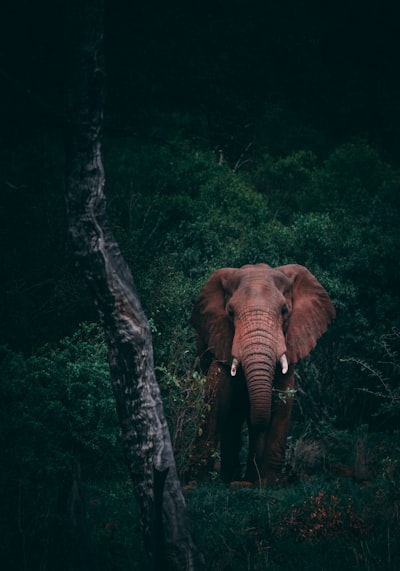
The triangular zone between the Mara River and the Kenya border — the northernmost accessible section of the Serengeti. During July–October, the Lamai Wedge concentrates the highest migration herd density in the ecosystem. The wildebeest are essentially funnelled into this wedge by the river to the north and the national park boundary — creating extraordinary wildlife density with nowhere to go but across the Mara. Nomad Tanzania's Lamai Serengeti camp sits on the Bolongoya cliffs above the Lamai Wedge, providing the finest overview position in the zone. Vehicle access from Kogatende airstrip (15-minute drive).

The Crossing Event Zone
The Mara River Corridor
The Mara River itself — approximately 40 km of river running east-west through the northern Serengeti before crossing into Kenya. The established crossing points are concentrated on the Tanzanian section of the river, with the most active points at the Kogatende crossing area, the Sand River confluence zone, and the Crossing 4–6 area (informal naming used by guides). The river is home to the Serengeti's Nile crocodile population — estimated 5,000+ individuals across the ecosystem, with the crossing points occupied by the most territorial and largest individuals. Hippo pods of 30–80 occupy the quieter pools between crossing events.
Year-Round Wildlife Hub
Kogatende Plains
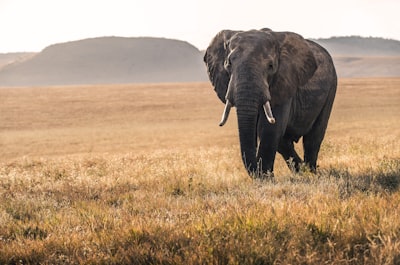
The Kogatende plains extend south from the Mara River into the open savanna of the northern zone, forming the primary vehicle-access area for the crossing points. Kogatende has a permanent airstrip and is the entry point for fly-in guests. Year-round resident wildlife includes lion prides (multiple known family groups), cheetah on the open plains, giraffe, topi, kongoni, and Thompson's gazelle. During crossing season, the plains between the airstrip and the river fill with migration herds waiting to cross — sometimes herds of 200,000+ individuals visible across the open grassland simultaneously.
Private Conservancy Access
Kuka Hills & Klein's Conservancy
The eastern edge of the northern zone around the Kuka Hills, where andBeyond's Klein's Camp operates a private conservancy adjacent to the park. The Kuka Hills provide a rocky, undulating landscape distinct from the flat western plains — unusual habitat for northern Serengeti lion prides that den in the rocky outcrops. Off-road driving, walking safaris, and night drives are all available in the Klein's conservancy, making this the closest private concession equivalent to the northern zone. Klein's Gate provides road access from the east (Lobo Valley direction).
The world's most dramatic wildlife event — complete expert guide
The Mara River Crossing — The Definitive Expert Guide
The Mara River crossing is the event most associated with the Serengeti in the global imagination — and it is genuinely extraordinary. But the crossing is also the most misunderstood wildlife event in African tourism. Most guests who see a crossing from photographs have no understanding of the build-up process, the trigger mechanism, the specific crossing point dynamics, or the guide intelligence that separates a successful crossing experience from a disappointing one. This section is the most detailed public guide to the Mara River crossing available anywhere.
The Crossing Points — Where the Magic Happens
The Mara River does not have an infinite number of crossing points — the wildebeest use a finite set of traditional locations where the bank gradient, water depth, and footing allow a large herd to enter and exit the river without catastrophic crushing or drowning losses. These crossing points have been used for thousands of years and are not random choices — they are biological knowledge embedded in the migration's collective memory. Guides identify these points by informal number designations (Crossing 1, Crossing 2, etc.) used consistently across the guide network, though not on any official map.
Primary · July–October
Main Kogatende Crossing
The most frequently used and most celebrated crossing point in the northern Serengeti — a 40-metre wide section of river with a gradual entry bank on the south side and a steep exit on the north. The gradual entry allows large herds to build up and enter en masse; the steep north bank creates the dramatic exiting scramble. Crocodile concentration at this point during crossing season is the highest at any northern crossing point. The guide's vehicle positions 80–150 metres upstream for the entry angle. Best July–early September when the southern herd approach route to this crossing is most active.
Highest crossing probability · Primary network intelligence pointActive · August–October
The Pool Crossing
A deeper, wider crossing point used when the primary crossing is congested with multiple simultaneous approach herds. The pool crossing is characterised by its upstream hippo pods — herds sometimes trigger a crossing here when hippos' territorial movements push the approaching wildebeest toward the water's edge. Crossing events at this point tend to be smaller (500–2,000 animals versus 5,000–10,000 at the primary) but often produce more intimate photography because the crossing width is narrower and vehicle positioning is closer to the action. Particularly active in August–September.
Active crossing point · Intimate photographyLamai Zone · September–October
The Lamai Wedge Crossings
Multiple crossing points within the Lamai Wedge used when the main migration column has passed through the primary crossings and the Lamai-concentrated herds begin their southward return in September–October. These crossings tend to involve smaller, more scattered groups and are best observed from the Bolongoya cliff positions above the Lamai Wedge before descending to the specific crossing point. Accessible via the Lamai Serengeti camp track network. Active primarily September–October for the return migration phase.
September–October return crossingsEastern Zone · Variable timing
Klein's Gate River Crossings
Less frequently used crossing points in the eastern northern zone near the Klein's Camp conservancy boundary. These crossings serve the migration herds approaching from the Lobo Valley corridor to the east — a secondary entry route to the northern zone for herds that move up from the eastern Serengeti rather than the central plains route. Crossing events here are less predictable than the primary Kogatende crossings and require Klein's Camp's specific guide intelligence to locate and time correctly. Off-road access from the conservancy significantly improves positioning flexibility.
Secondary route · Klein's Camp intelligenceLate season · October
Return Crossing Points (South-bound)
As the migration begins its southward return in October, some herd elements cross back south into the Serengeti at different points from their northward crossings. These return crossings are less dramatic than northward crossings (the herds are less compressed and the predator pressure driving the return is more dispersed) but are genuinely observable and are completely inaccessible to guests who leave the northern zone before October. Guides with multi-week northern Serengeti experience consistently position correctly for October return crossings.
October return phaseKenya border · Not accessible
Masai Mara Crossings (Kenya)
The Mara River continues north into Kenya's Masai Mara National Reserve, where additional crossing points are used by the migration. These crossings are only accessible on Kenya-side safaris (Masai Mara vehicles operating under Kenyan park rules). From the Tanzania side, only the Tanzanian Serengeti crossing points are accessible. The famous BBC and National Geographic crossing photographs are often taken on the Kenya side — understanding this context helps set expectations for Tanzania-side crossing photography positioning.
Kenya access only — noted for contextThe Crossing Build-Up Cycle — How to Read the Intelligence
A committed crossing does not happen randomly — it follows a measurable build-up cycle that experienced guides can read and predict with significant accuracy. Understanding this cycle explains why multiple consecutive days dramatically improve crossing probability, and why one or two days at the northern Serengeti during crossing season frequently produce disappointment.
Build-up Day 1: The guide's morning network reports show increased herd density approaching the crossing point from the south. The herd reaches the riverbank and makes tentative, uncommitted approaches — lead animals touch the water and retreat. The guide assesses commitment level as "early build-up." Vehicle positioned at the primary crossing point for 4–6 hours with multiple approach attempts observed but no committed entry.
Build-up Day 2: Overnight network reports confirm the herd has remained at the crossing point rather than dispersing — a strong commitment signal. The guide prioritises this crossing point from first light. The herd makes increasingly committed approaches throughout the morning. By midday, the lead animals are entering the shallow edge and partially returning. Commitment level assessed as "high build-up." A crossing may occur on Build-up Day 2 or may build for one more day.
Commitment Day (most commonly Build-up Day 2–4): The herd reaches critical mass at the crossing point — the pressure of animals behind the lead group exceeds the lead group's ability to retreat. One animal enters the water fully. The neurological cascade fires — thousands enter within seconds. The crossing lasts 8–45 minutes. After the crossing, the guide immediately contacts the network for the status of other crossing points and repositions for any building approaches elsewhere.
The build-up cycle typically takes 2–4 days from first approach to committed crossing at the primary Kogatende crossing point during peak season (August–September). Guests spending only 1 day at the northern Serengeti may arrive on Build-up Day 1 and leave before the crossing occurs. Guests spending 4 consecutive days cover the complete build-up cycle with high probability of witnessing the commitment day. The guide's accumulated intelligence across 4 prior days also allows precise positioning for the exact crossing point and optimal camera angle on the commitment day. This is why the 7-day Tanzania circuit (4 northern Serengeti days after the Tarangire-Manyara-Ngorongoro circuit) is considered the gold standard for crossing season safaris.
Plan your northern Serengeti trip
Northern Serengeti Month-by-Month — July to October 2026
Each month of the crossing season has a distinct character in the northern Serengeti. Here is the expert month-by-month planning guide for the northern Serengeti in 2026 and 2027.
June — Pre-Crossing Build-Up
First crossings possible — Grumeti zone primary
The migration's leading edge reaches the Western Corridor's Grumeti River in June, with the first contingents beginning to move toward the northern Serengeti by late June. Early bird guests can find the northern Serengeti at its quietest — no crossing-season crowds, lower accommodation rates, excellent resident wildlife (lion, cheetah, leopard), and the first cautious approach behaviour at the Mara crossing points. First June Mara crossings are possible in late June for early-season herds.
Value opportunity — early arrival, first crossings, lowest ratesJuly — First Major Crossings
First major Mara crossings — herds arriving from south
July marks the official opening of the northern Serengeti crossing season as the major migration columns begin arriving from the central plains. Early July crossings involve the advance herds — smaller groups that cross before the main body arrives, often producing some of the most intimate and intimate crossing experiences of the season. Vehicle numbers at crossing points are lower than August–September. Accommodation still has some availability at shorter notice. By late July, crossing frequency is increasing rapidly and the Lamai Wedge begins filling with the first large herd concentrations.
Book 6+ months ahead for prime July positioningAugust — Peak Crossing Month
PEAK — Maximum herd density, most frequent crossings
August is the northern Serengeti's peak crossing month — the maximum concentration of migration herds at the Mara crossing points, the most frequent crossing attempts, the highest daily crossing probability, and the greatest overall spectacle. The Lamai Wedge and Kogatende plains can hold 200,000–400,000 wildebeest simultaneously. Multiple crossing attempts occur daily at different crossing points. Accommodation is fully booked at all northern camps. Vehicle density at crossing points is at its highest. Requires 4+ days for best crossing probability despite the peak density. Book 9–12 months ahead for August 2026.
Book 9–12 months ahead — August fills fastestSeptember — Sustained Crossings
SUSTAINED — Experts' peak month for crossing probability
September is consistently described by experienced Serengeti guides and wildlife photographers as their preferred crossing season month. The reason: sustained crossing probability comparable to August, but with slightly lower vehicle density at crossing points (August visitors have cleared), and the guide network's three months of accumulated crossing point intelligence operating at its sharpest. September guides know which crossing points have been active, which have been quiet, and which are building — intelligence that July guides simply do not possess. Accommodation rates remain at peak. 4+ Serengeti days strongly recommended.
Experts' choice — sustained crossings, guide intelligence at peakOctober — Season Finale
FINALE — Return crossings beginning, season closing
October delivers the final Mara crossings of the 2026 season as the herds begin their southward return. Early October crossing probability remains high; late October sees herds dispersing south toward the central Serengeti. October has lower visitor numbers than August–September with comparable early-month crossing probability — making it an often-overlooked value window in the peak season. Dramatic short-rain skies develop in late October, producing extraordinary photography light. Return crossings (wildebeest crossing back south) are observable for the first time in the season.
Lower visitor volume — comparable early-October crossing probabilitySafari packages for crossing season 2026
Northern Serengeti Migration Safari Packages — 2026 Collection
Every safari package that includes northern Serengeti crossing season positioning. All include a dedicated private 4x4 vehicle, licensed expert guide with northern Serengeti crossing network access, all park fees, accommodation, and meals.

4-Day Circuit — Crossing Entry
Tarangire, Ngorongoro Crater, and two consecutive northern Serengeti days. Day 1 maps the crossing point build-up. Day 2 applies overnight intelligence for optimised positioning. Crossing probability meaningful but not gold-standard.
2 northern Serengeti days
5-Day Circuit — Crossing Recommended
Three consecutive northern Serengeti days. Day 3 deep access with two prior days of crossing point intelligence. Good crossing probability with Day 3 precision positioning from Day 1–2 accumulated data.
3 northern Serengeti days7-Day Circuit — Crossing Gold Standard
The definitive crossing season safari — four consecutive northern Serengeti days. The complete 2–4 day build-up cycle covered. Maximum crossing probability (90%+ in August–September). Day 4 precision positioning from three prior days of accumulated crossing intelligence.
4 northern Serengeti days
8-Day Circuit — Crossing Pinnacle
Five consecutive northern Serengeti days. Maximum crossing window — multiple crossing events statistically likely. Day 5 ecosystem mastery from four prior days. Can reposition between multiple crossing points over 5 days.
5 northern Serengeti days
9-Day Circuit — Crossing Apex
Six consecutive northern Serengeti days — apex crossing season immersion. Complete multiple crossing cycles possible. Individual predator families tracked across 6 consecutive days alongside the crossing experience.
6 northern Serengeti days10-Day Circuit — Crossing Ultimate
The ultimate crossing season safari — seven consecutive northern Serengeti days. Multiple complete crossing cycles. The northern Serengeti as a world fully inhabited across an entire week. Every crossing point, every predator, every herd movement known and mapped.
7 northern Serengeti daysWhere to stay for the crossing season
Best Northern Serengeti Camps — By Tier and Crossing Season Advantage 2026
Accommodation positioning in the northern Serengeti is more critical than in any other zone — staying 90 minutes from the crossing points means 3 hours of daily driving instead of wildlife time. All camps listed below are positioned within 15–45 minutes of the primary crossing points.
Ultra-luxury · Cliff-top position
Nomad Tanzania Lamai Serengeti
Bolongoya Cliffs · Northern Serengeti · Lamai Wedge
The finest crossing season camp position in the entire Serengeti ecosystem — perched on the Bolongoya cliffs directly above the Lamai Wedge. Crossing activity is sometimes visible from the camp itself. Twelve suites. Open-plan dining with panoramic northern plains view. The guide team has the longest unbroken northern Serengeti operational history of any camp — 20+ years of specific crossing point intelligence. Fly-in only (Kogatende airstrip, 15-minute drive). Fully booked 12–18 months ahead for August–September 2026.
$1,400–$2,800 / person / night all-inclusive
Ultra-luxury · Private conservancy
&Beyond Klein's Camp
Kuka Hills · Northern Serengeti · Private Conservancy
Ten cottages on the rocky Kuka Hills with a private conservancy adjacent to the park. The conservancy enables off-road driving, walking safaris, and night drives — none available from the national park camps. Crossing-season positioning using the Klein's Gate corridor allows access to the eastern crossing points. Private plunge pools, open-air dining, and one of the finest guide teams in the northern zone. The conservancy's off-road access means vehicle positioning at crossing points is significantly more flexible than park-restricted vehicles.
$1,500–$3,200 / person / night all-inclusive
Luxury mobile · Follows the migration
Asilia Africa — Olakira Camp
Northern Serengeti (crossing season position)
The only premium mobile camp that physically relocates its entire infrastructure to follow the migration's seasonal position. During crossing season (July–October), Olakira positions in the northern Serengeti zone closest to the most active crossing point concentrations. Eight luxury tented suites relocated with the camp. The positioning advantage is significant — rather than an established camp location that becomes less optimal as the migration moves, Olakira's position is continuously optimised to the current best crossing zone.
$1,200–$2,400 / person / night all-inclusive

Mid-range · Value crossing season
Northern Serengeti Mid-Range Camps
Kogatende / Northern Zone area
Several mid-range and upmarket tented camps operate in or near the Kogatende zone during crossing season, providing the critical northern positioning advantage at lower price points than the ultra-luxury options. Camps like Mara Under Canvas, Serengeti Pioneer Camp, and Migration Camp Northern Serengeti offer comfortable to upmarket accommodation within 30–45 minutes of the primary crossing points. These are the accommodation options included in our standard private safari circuit packages for crossing season — genuinely comfortable, well-positioned, and dramatically cheaper than the luxury tier while delivering identical guide quality and crossing point access.
Included in standard private safari package rates
The northern Serengeti beyond the crossing
Northern Serengeti Wildlife — What You See When There Is No Crossing
One of the most frequent guest questions about the northern Serengeti crossing season is: "What do we do on days when no crossing occurs?" The honest answer is that the northern Serengeti's non-crossing wildlife is so extraordinary that guest satisfaction on crossing-free days is consistently high — often genuinely surprising to guests who arrived with the crossing as their only goal. Here is what the northern Serengeti delivers beyond the crossing itself.
The Northern Serengeti Predator Community
The northern Serengeti hosts one of the highest predator densities in the Serengeti ecosystem during crossing season — because the migration's presence attracts every predator capable of reaching the zone. The northern lion prides are the most frequently photographed in the Serengeti — they have learned to position at the crossing points during the season and ambush exhausted or injured wildebeest emerging from the crossing. A crossing event is followed by lion predation on weakened animals within 20–40 minutes in most cases — meaning crossing season lion kills are reliably available immediately after any crossing. Cheetah families hunt on the open Kogatende plains when the migration herds provide cover. Leopard patrol the riverine bush along the Mara's bank. Spotted hyena in the largest clan concentrations of the Serengeti year.
The Mara River Between Crossings
The Mara River is a wildlife spectacle on any day regardless of crossing activity. Hippo pods of 30–80 individuals occupy the river's permanent pools — territorial males, mothers with calves, and the characteristic late-afternoon group return to the water after daytime grazing. Monitor lizard (Nile monitor, up to 1.8 metres) patrol the river bank. The Nile crocodile population is always visible — resting on exposed rocks and sandbanks in the morning sun, slipping into the water as temperatures rise. African fish eagle calls carry across the river in both directions. Giant kingfisher, pied kingfisher, malachite kingfisher, and goliath heron work the shallower sections. The river itself — regardless of crossing activity — is one of the finest wildlife observation points in the northern Serengeti.
The Migration Herds Between Crossings
The Lamai Wedge and Kogatende plains during crossing season contain hundreds of thousands of wildebeest — not crossing, but present and active. The grazing herds with their constant vocalisation, the territorial competition between male wildebeest, the calf-mother bonds navigating the dense herd, and the dust columns visible from 10 kilometres — the migration herds between crossings are an extraordinary wildlife encounter in themselves. On any given day in August, driving through the Lamai Wedge can mean driving through a moving herd of 200,000 wildebeest — an experience unlike anything available anywhere else on Earth, crossing or no crossing.

A typical crossing-free day in the northern Serengeti in August: 6:00 am departure — the guide drives directly to the primary crossing point (overnight network reports show the herd has retreated overnight but is positioned for approach). 3 hours monitoring the crossing point approach — build-up intelligence gathered. 10:30 am — no crossing committed. Guide relocates to the Lamai Wedge where the lead guide has reported two cheetah on the hunt. 11:00 am — cheetah observed completing a Thomson's gazelle hunt, 80 metres. Crossing point visited again 4:00 pm — increased approach activity. 5:30 pm — commitment threshold not reached, day two of build-up confirmed. Sunset at the river with hippo, crocodile, and egret. Return to camp 6:45 pm. A complete wildlife day. A crossing-free day in the northern Serengeti is better than most full-day wildlife experiences anywhere in Africa.
How to maximise crossing probability
Crossing Season Strategy — The 8 Decisions That Determine Your Success
These are the eight planning and on-safari decisions that most directly determine whether a crossing season northern Serengeti safari produces a committed crossing. All are based on 15+ years of Serengeti crossing season guide experience.
Less than 4 days significantly reduces crossing probability. The 2–4 day build-up cycle means 1–2 days frequently catches the approach phase without the commitment. 4 consecutive days covers the complete typical cycle. 5+ days gives statistical confidence of witnessing at least one committed crossing.
Seronera-based guests lose 3 hours of daily game drive time on the round-trip drive to the northern crossing points. Northern zone camps (Lamai, Klein's, Olakira, or mid-range Kogatende area) add 3 daily hours at the crossing points — the equivalent of an extra day's crossing point observation over a 4-day visit.
Late August and September deliver the highest crossing probability of any crossing season window. Herd density is maximum, guide network intelligence is at peak accumulated knowledge, and crossing frequency is at its seasonal high. Early July is good but crossing probability is lower. Late October sees dispersing herds and declining crossing frequency.
A Serengeti guide without specific northern zone experience lacks the crossing point knowledge and guide network relationships that produce crossing success. Northern zone crossing intelligence is specific to individual guides who have operated in this zone for years. When booking, ask specifically about your guide's northern Serengeti crossing season experience history.
The road drive from Arusha to the northern Serengeti takes 9–11 hours including the circuit parks (Tarangire, Manyara, Ngorongoro). A fly-in to Kogatende airstrip from Arusha or Seronera (45–70 minutes) delivers the same northern Serengeti access with 2 full additional days of northern zone time on a 7-day itinerary. For guests whose primary goal is crossing probability, fly-in is the highest-value single upgrade available.
When the guide's overnight network confirms a crossing point at maximum build-up, the correct decision is to spend the full day at that crossing point rather than diversifying across other activities. Crossings can occur at any time from first light to sunset, with no time of day definitively more likely than another. Guests who leave the crossing point for a "bush lunch at camp" frequently return to find the crossing occurred in their absence. Commit the full day when build-up is confirmed.
A committed crossing gives no warning — the first animal enters the water and within 30 seconds there are 5,000 animals in motion. Guests who have their camera in a bag, memory card full, or battery dead lose the opening 60–90 seconds of the crossing — which are frequently the most dramatic. Keep the camera body-mounted, memory card managed, battery charged (spare in pocket), and settings pre-configured at any crossing point vigil.
Crossing season coincides with Tanzania's dry season — but the Mara River zone generates its own local weather, and afternoon thunderstorms in the northern Serengeti are common in August–September. These storms produce extraordinary photography light — silver rain, dramatic clouds, and the warm afternoon sun breaking through create conditions that professional wildlife photographers specifically seek. Do not abandon a crossing point vigil because of approaching clouds. Some of the finest crossing photographs ever taken were made in storm light.
Getting to the northern Serengeti
Drive-In vs Fly-In to the Northern Serengeti — The Complete Analysis
The northern Serengeti crossing zone is approximately 480 km from Arusha by road — a 9–11 hour drive including the compulsory circuit parks (Tarangire, Lake Manyara, Ngorongoro Crater). By air, Kogatende airstrip is 70–80 minutes by charter from Arusha or 30 minutes from Seronera. The decision between road and air significantly affects the quality and quantity of northern zone wildlife time.
| Factor | Drive-in (road circuit) | Fly-in (charter) | Recommendation |
|---|---|---|---|
| Travel time to northern zone | 9–11 hours total | 70–80 minutes | Fly-in wins |
| Northern Serengeti days gained | Base: 2–3 days (7-day circuit) | Base: 4–5 days (7-day circuit) | Fly-in advantage |
| Tarangire / Ngorongoro included | Yes — part of circuit | Skip or add separate | Drive-in advantage |
| Cost premium | Included in standard rate | +$300–$600/person/flight | Drive-in lower cost |
| Crossing probability (7-day trip) | Moderate-high (2–3 northern days) | High (4–5 northern days) | Fly-in wins |
| Flexibility to reposition | Fixed by road distance | Can fly between airstrips | Fly-in wins |
| Baggage limit | No restriction | 15kg soft bag only | Drive-in advantage |
| Best for | First-time visitors, complete circuit | Crossing-focused, repeat visitors | Depends on priority |
For guests whose primary goal is the Mara River crossing and who are willing to sacrifice the complete Tarangire-Manyara-Ngorongoro circuit to maximise northern zone days, fly-in is the strongly recommended option. The additional 2 northern Serengeti days recovered by a fly-in on a 7-day trip increase crossing probability from moderate-high (2–3 northern days) to high-to-very-high (4–5 northern days) — a significant difference in the most important variable. For first-time Tanzania visitors who want both the northern crossing and the complete Ngorongoro-Tarangire wildlife circuit, the drive-in 7-day circuit remains the most complete experience. Contact us for a custom itinerary that balances crossing time with complete circuit coverage for your specific priorities.
Photographing the crossing — expert guide
Northern Serengeti Photography — Crossing Season Masterclass
The northern Serengeti during crossing season is the world's most intensively photographed safari destination. Here are the photography strategies that separate exceptional crossing season images from the thousands of similar shots taken every August.
Position A (45° upstream from entry): captures animals in mid-river profile with the entry cascade in the background. Optimal for showing the full crossing scale. Position B (directly opposite entry): captures the head-on entry of animals descending the bank into the water — the most dramatic entry images. Position C (downstream, near exit bank): captures animals climbing the far bank — the exit scramble and predator-prey activity at the bank edge. Your guide will position optimally based on light angle, wind direction, and crossing point specifics. Request your preferred angle before arrival at the point.
For the Mara crossing: 500–600mm telephoto for crocodile-interaction details and individual faces; 100–400mm zoom for environmental context shots; wide zoom (24–105mm) for the panoramic scale shot. Bring all three if possible. Memory: 256GB minimum — a crossing in burst mode fills 128GB in 20 minutes. Battery: two fully charged bodies or one body with three batteries. Beanbag window mount essential for the long telephoto work. Remote shutter release optional but useful for holding position during extended bursts without mirror shake.
Build-up hours before a committed crossing are often photographically productive. The approaching herd, individual animal behaviour studies (the hesitation at the water's edge, the group dynamics, the lead animal's repeated approaches), and the crocodile positioning at the crossing point are all extraordinary subjects. Don't save your attention only for the crossing event — the 2–4 hour build-up produces some of the finest tension and anticipation photography of the crossing season. Approach the build-up as a separate photographic subject, not simply a waiting period.
The northern Serengeti's crossing season morning light (6:00–9:30 am) is low, warm, and directional — optimal for wildlife photography. Position the vehicle with the rising sun to the side or behind the camera for morning crossing vigils. Afternoon thunderstorms in August–September create the most dramatic light in the Serengeti year — silver overcast with light shafts through cloud produce images with a quality impossible in flat blue-sky conditions. Welcome the afternoon storms. The light that follows a storm at the Mara River is extraordinary.
The migration herd in the Lamai Wedge from elevation (if staying at Lamai Serengeti's cliff position): the aerial perspective on 200,000 wildebeest is unlike any ground-level image. The Mara River hippo pod at dawn before crossing activity begins: low light and still water produce the finest hippo portraits available. Northern zone lion on the kopje rocks above the Kogatende plains: the rocky Kuka Hills habitat produces rock-lion images distinct from the grass-lion images of the central zone. These subjects are available every day of the crossing season regardless of whether a crossing occurs.
A Mara River crossing of 5,000+ wildebeest generates an enormous dust cloud that can partially obscure images taken from the bank. Position upwind of the crossing direction when possible — the guide will assess wind direction as part of vehicle positioning. Keep a dust cloth over the camera when not actively shooting and replace lens caps during lulls. Sensor cleaning is essential after the northern Serengeti crossing season — bring a cleaning kit or plan for a professional sensor clean in Arusha on return.
Guest experiences in the northern Serengeti
Northern Serengeti Reviews — Crossing, Wildlife, and the Zone Itself

"Four northern Serengeti days in September. The guide gave us a morning briefing before each day's crossing vigil — crossing point, current build-up level from overnight network, estimated commitment probability, and a backup plan if the main point didn't commit. On Day 3 at 9:15 am, the herd committed. I counted approximately 6,000 animals in the water simultaneously at peak. Three crocodile strikes visible from our position. The crossing lasted 31 minutes. I had 2,800 images. 40 of them are genuinely extraordinary. Four days was the right call. The guide knew on Day 2 evening that Day 3 was the day."
7-day circuit · 4 northern Serengeti days · September
"Stayed at Lamai Serengeti on Day 3 of our crossing vigil. Standing on the Bolongoya cliffs at sunset with the guide, watching 200,000 wildebeest moving across the Lamai Wedge below us in the evening light — before the crossing had even occurred. On Day 4 we drove down to the primary crossing at 6:00 am. The herd committed at 7:40. From the cliff view the day before, the guide had seen the approach trajectory and knew exactly where the leading animals would reach the bank. We were positioned before they arrived. The cliff view is something no other camp in the Serengeti can offer."
8-day circuit · Lamai Serengeti · 5 northern Serengeti days · August
"I have to be honest — we didn't see a crossing on our 5-day northern Serengeti itinerary in July. The herd approached three times and retreated. The guide was visibly frustrated on Day 4. But: we watched the largest cheetah coalition (5 males) I have ever seen hunting on the Kogatende plains. We saw 250,000 wildebeest in the Lamai Wedge simultaneously — from the ground, it is incomprehensible scale. We had a lion kill within 20 metres on Day 3. And we sat at the Mara River for hours watching the crocodile community and the hippos. No crossing — and still the finest safari week of my life."
5-day northern Serengeti focus · July · No crossing witnessed · 5 starsEvery northern Serengeti question answered
Northern Serengeti FAQ — Complete Expert Guide
-
The Lamai Wedge is the northernmost accessible section of Tanzania's Serengeti National Park — a triangular zone bordered by the Mara River to the north and the Kenya border to the northeast. During crossing season (July–October), the Lamai Wedge becomes a concentration bottleneck for the migration herds: 1.5 million wildebeest funnelled into this triangular wedge with the river as the only exit. At peak concentration (August–September), the Lamai Wedge can hold 400,000–500,000 wildebeest simultaneously — the highest wildlife density per km² in the Serengeti ecosystem. The Bolongoya cliffs on the western edge of the Lamai Wedge provide an elevated view over the entire zone — a panoramic migration view available only at the Lamai Serengeti camp and accessible only to guests staying in the northern Serengeti. The Lamai Wedge is the crossing season's primary zone precisely because the concentrated herds within it are funnelled toward the Mara River crossing points — making cross commitment more likely, more frequent, and more predictable than anywhere else in the ecosystem.
-
The northern and central Serengeti are dramatically different in character, wildlife, and seasonal wildlife activity. The central Serengeti (Seronera area) is: more accessible (30–45 minutes from the main gate), better served by permanent mid-range accommodation, excellent for year-round resident wildlife (kopje leopards, Seronera lion prides, central cheetah families), and the base for most standard circuit safaris. The northern Serengeti is: 90+ minutes from the main gate, served primarily by fly-in luxury camps and a few mid-range northern zone camps, the exclusive location for Mara River crossing activity (July–October), host to the highest migration herd density in the ecosystem during crossing season, and significantly less visited than the central zone at any season. For crossing season specifically, the northern zone is the only zone — Mara crossings do not occur in the central Serengeti. For non-crossing season visits, the central Serengeti offers better value and equivalent or superior resident wildlife to the northern zone.
-
The northern Serengeti has approximately 5–8 established crossing points on the Tanzanian section of the Mara River — locations used repeatedly across seasons because the bank gradient, water depth, and footing at these specific points accommodate large-scale crossings. The primary crossing point (Kogatende crossing, informal designation "Crossing 1") is the most frequently used and is the focus of most guide intelligence during the peak season. Additional crossing points in the Lamai Wedge and the eastern corridor near Klein's Gate are used when the primary point is inactive or when different herd segments approach from different directions. The guide network monitors all active crossing points simultaneously through radio communication and direct observation — guests do not need to know the crossing point geography, but understanding that multiple points exist explains why the guide may make strategic decisions to leave one point and position at another during a crossing vigil day.
-
Yes, but for most guests, the central Serengeti is a better choice outside crossing season. The northern zone's primary advantage — the Mara River crossing concentration — is absent from November through June. The resident wildlife (lion, cheetah, leopard, hippo) is excellent year-round but is equally good in the central zone and accessible more conveniently. The Klein's Camp private conservancy is excellent year-round for guests who want off-road driving and night drives — a compelling reason to choose the northern zone even outside crossing season. The Lamai Serengeti camp's cliff-top position and resident lion prides are also genuinely excellent outside crossing season. But for guests optimising a first Serengeti visit outside July–October, the central Serengeti's Seronera area and kopje habitat offers a more complete wildlife experience than the northern zone at the same price point.
-
Both options are available. Road access to the northern Serengeti is via the Klein's Gate entrance in the east or via the long park road north from Seronera. From Klein's Gate (east entrance), the drive to the primary Kogatende crossing area is approximately 2–3 hours through the Lobo Valley on unpaved park roads. From Seronera (central park), the drive is approximately 2.5–3.5 hours north on park tracks. Total road time from Arusha to the northern crossing points is 9–11 hours including the circuit parks — making a 7-day road circuit typically deliver only 2–3 crossing season northern Serengeti days. Fly-in via Kogatende airstrip (70–80 minutes from Arusha, 30 minutes from Seronera by charter) is the far more efficient option for crossing-focused guests, delivering 4–5 northern days on the same 7-day itinerary. All our circuit safari packages can be structured as road-based or fly-in — contact us for current charter flight pricing to incorporate into a custom itinerary.
-
It is possible — though statistically unlikely in peak season (August–September) with 4+ days and an experienced northern Serengeti guide. Crossings are wildlife events driven entirely by instinct and cannot be guaranteed. However, historical data from multiple northern Serengeti operators shows that 90%+ of guests spending 4+ consecutive days during peak season witness at least one committed crossing. For the remaining guests who do not, the consistent report is that the non-crossing northern Serengeti wildlife — the migration herd density, the predator activity, the hippo-crocodile river life — delivers a genuinely extraordinary safari experience that they rate as highly satisfying despite the crossing absence. A 4-day northern Serengeti visit in August with no crossing is still better than most 7-day safaris anywhere in Africa outside the northern Serengeti. No crossing witnessed is not a failed safari — it is a safari that was excellent in different ways than the specific event hoped for.
-
For northern Serengeti crossing season accommodation in August 2026: book 12–18 months in advance. Lamai Serengeti, Klein's Camp, and Olakira northern position are fully booked 12–18 months ahead for August dates. For September 2026: 9–12 months ahead. For July and October 2026: 6–9 months ahead. Mid-range northern zone camps fill 6–9 months ahead for August–September. Private safari vehicle and guide availability from our side can often be arranged within 4–8 weeks even for peak season dates, but accommodation at specific northern zone properties is the binding constraint. We recommend initiating the northern Serengeti conversation 12 months ahead for August–September 2026 dates and 9 months ahead for July and October. We can place provisional holds at multiple northern camp options while you finalise your decision — contact us via WhatsApp to begin the planning process.