+255 742 119 753 tours@resiliencesafaris.com
Safari Experts ★ 5.0 Rating
Book Safari
Safari Navigator
Request Quote
West Kilimanjaro · Olpopongi Maasai Boma · Est. Community Visits Day trip from Arusha & Moshi · 2026–2027

1-Day to
Maasai Village

The Maasai are one of the most recognisable and culturally significant peoples in Africa — semi-nomadic pastoralists who have maintained their traditions, warrior culture, and cattle-centred way of life for centuries across the savanna plains of northern Tanzania and Kenya. A 1-day Maasai village visit from Arusha or Moshi takes you into an authentic boma at the foot of Kilimanjaro — the Adumu warrior jumping dance, fire-making by friction, spear-throwing, the women's intricate beadwork, elder storytelling around the fire, a traditional Maasai lunch, and a guided bush walk through Maasai territory. The most immersive cultural experience available on a single day from Arusha.

1 Day / No overnight Adumu jumping dance Fire-making & spear-throwing Beadwork session Traditional Maasai lunch Guided bush walk
★★★★★
5.0
412 verified guestsTripAdvisor · Google · Booking.com
From $85
Per person joining
1,000+
Years of tradition
6+
Cultural activities
1.5 hrs
From Moshi

East Africa's Most Iconic Living Culture — A Day in the Boma

The Maasai — Who They Are and Why This Matters

The Maasai are a Nilotic people whose origins trace to the Nile Valley. Between the 15th and 17th centuries they migrated south, settling across what is now northern Tanzania and southern Kenya. Today approximately one million Maasai maintain a pastoralist, cattle-centred way of life that is simultaneously ancient and evolving — one of the most studied, documented, and visited cultures on Earth, yet still genuinely lived and breathed by the people inside every boma.

🐄
~1M
Maasai people
Across Tanzania and Kenya — one of East Africa's largest semi-nomadic pastoralist groups
🏠
Boma / Enkang
Circular homestead
Huts (manyattas) built by women using mud, sticks, and cow dung, encircled by thorny fence
⚔️
Morani
Warriors (age-set)
Young men who pass Emuratare initiation become warriors — protectors of cattle and community
💃
Adumu
Jumping dance
Competitive warrior jump dance — the higher the jump, the greater the warrior's standing
📿
Beadwork
Language in colour
Each bead colour carries meaning — red for bravery, blue for water, white for purity, green for land
🙏
Enkai
Maasai God
Monotheistic faith — Enkai has benevolent (Black God, rain) and wrathful (Red God, drought) aspects

Six Core Cultural Experiences — All Included in One Day

What You Will Do Inside the Maasai Boma

Maasai warriors Adumu jumping dance
Warrior Culture

Adumu Jumping Dance

The iconic competitive jumping dance performed by Morani warriors — chanting in circle, each leaping as high as possible. Photography welcome. Guests may participate.

Maasai fire-making by friction wood
Survival Skills

Fire-Making by Friction

Warriors demonstrate traditional fire-making using two sticks — a skill every Morani learns during warrior initiation. Guests are invited to try. Fast and extraordinary to watch.

Maasai boma tour traditional huts cattle enclosure
Boma Life

Boma Tour & Elder Storytelling

Walk through the circular homestead with a Maasai elder or guide — hut construction, the central cattle enclosure, sleeping quarters, cooking methods, and family structure explained.

Maasai women beadwork jewelry making
Women's Arts

Beadwork Session

Maasai women are master beadworkers — each design and colour carries social and spiritual meaning. Watch the creation process, learn the colour language, and browse authentic handmade pieces.

Guided Maasai bush walk traditional medicine plants
Bush Walk

Traditional Medicine Walk

A guided walk through Maasai grazing territory — identifying plants used for traditional medicine, tracking techniques, cattle herding culture, and the wider landscape of Maasai land management.

Traditional Maasai lunch meal inside boma
Food Culture

Traditional Maasai Lunch

Lunch served inside the boma — a traditional Maasai meal including ugali, nyama choma, and local vegetables. An opportunity to eat as the Maasai eat, in the setting they eat in.

💃
Adumu
Warrior jump dance
📿
6+
Cultural activities
🏔️
Kili views
West Kilimanjaro setting
💰
From $85
Per person joining

Cultural Overview

A Day With the Maasai — Why This Trip Is Different

The Maasai are among the most written-about, photographed, and studied peoples in Africa — yet for most visitors to Tanzania, an encounter with the Maasai is limited to a roadside sighting or a brief stop at a commercialised boma at a park gate. The Resilience Safaris Maasai village day trip is something different: a structured full day inside an authentic working community at the Olpopongi Maasai cultural boma in the West Kilimanjaro region, where the warriors, women, and elders who host the visit are the same people who live there year-round. This is not a performance arranged for tourists — it is an invitation into the daily rhythms, cultural practices, and living traditions of a people who have existed in this landscape for centuries.

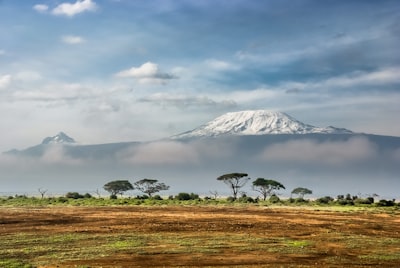
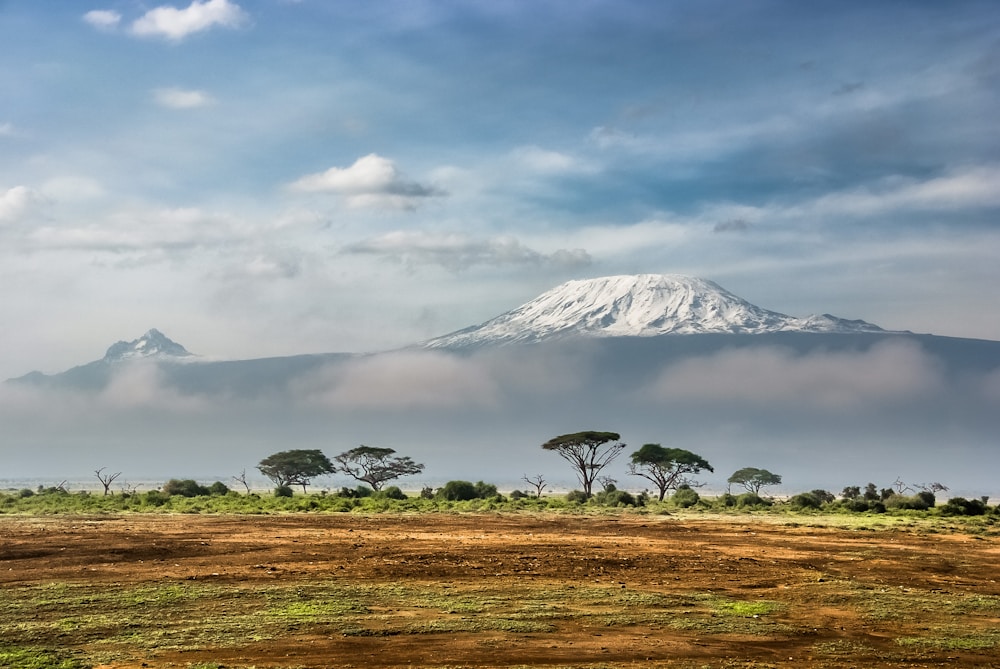
The Maasai of West Kilimanjaro inhabit one of the most spectacular settings in Africa — the broad plains below the southern slopes of Kilimanjaro, where cattle graze with the mountain as a backdrop and the horizon stretches unbroken to the Amboseli border. On clear days, Kilimanjaro dominates the view from the boma in every direction north. The drive to the village — 85 km from Arusha (approximately 2 hours) or 74 km from Moshi (approximately 1.5 hours) — passes through rural West Kilimanjaro countryside where zebra and elephant are occasionally seen in the dry season along the wildlife corridor.

The day covers six core cultural experiences — the Adumu jumping dance, fire-making by friction, a guided boma tour with elder storytelling, the women's beadwork session, a traditional Maasai lunch, and a guided bush walk through Maasai grazing territory identifying traditional medicine plants and tracking techniques. Each activity is led by community members who speak English and Swahili and is contextualised by our guide, who speaks Maa and provides translation and deeper cultural commentary throughout the day. The experience ends with time for authentic beadwork purchases directly from the artisans before the return drive.

The Adumu — the most photographed moment in Maasai culture, and the most visceral

The Adumu (also called the Aigus, or simply the jumping dance) is performed by Maasai Morani — warriors — in a competitive circle. Each young man takes his turn to leap as high as possible from a standing position, with no run-up, while the other warriors chant rhythmically to build the energy. The higher the jump, the greater the warrior's standing within the group. Traditionally performed at celebrations, warrior initiations, and the Eunoto ceremony marking passage to senior warrior status, the Adumu in a living boma context is completely different to any choreographed cultural performance. The warriors compete genuinely. The chanting builds. The energy in a circle of a dozen Morani leaping in red shukas against a Kilimanjaro backdrop is one of the most electric cultural experiences available in East Africa. Guests are always invited to attempt a jump — and the Morani are always delighted by the results.

Maasai beadwork — a living language of colour worn on the body

Maasai women are among the most skilled beadworkers in Africa, and their jewellery is not decorative — it is communicative. Each colour carries meaning that any Maasai can read at a glance: the wearer's age set, marital status, social standing, and tribal affiliation are all encoded in the pattern and colour of their beads. Red signifies bravery and blood. Blue represents water and sky — life itself. White means purity and health. Green speaks to the land and sustenance. Orange and yellow carry warmth and friendship. Black is associated with the hardship of Morani life. During the beadwork session, a Maasai woman demonstrates the creation process and explains the colour vocabulary — and the beadwork available to purchase is made by the women of the boma, not imported or mass-produced, making every piece a genuine cultural artefact.

Red
Bravery, strength, blood. Worn by warriors and believed to deter predators
Blue
Water and sky — the sources of life, essential for cattle and people
White
Purity, health, and the colour of cattle milk — the most sacred daily substance
Green
Land, sustenance, and growth — the grass that feeds the cattle
Orange/Yellow
Warmth, hospitality, and friendship — the colour of welcome
Black
The hardships of life as a Morani — endurance and warrior resilience
Pink/Purple
Senior warrior status and marriage — worn during Eunoto ceremony
Gold
Wealth and cattle — the most important measure of status in Maasai society
🌿
The bush walk — traditional Maasai medicine and the landscape they manage

The afternoon guided bush walk is led by a Maasai warrior or elder through the grazing territory surrounding the boma. The walk covers traditional plant medicine — species used to treat wounds, fever, and infection, many of which are remarkably effective and are still the primary healthcare of many Maasai communities — alongside tracking techniques, cattle herding culture, and the wider land management philosophy of a semi-nomadic pastoralist people. The West Kilimanjaro landscape is beautiful in its own right — open acacia savanna with Kilimanjaro in the background — and the walk covers approximately 2–3 km of this terrain over 60–90 minutes.

🏔️
West Kilimanjaro — the most spectacular setting for a Maasai boma visit

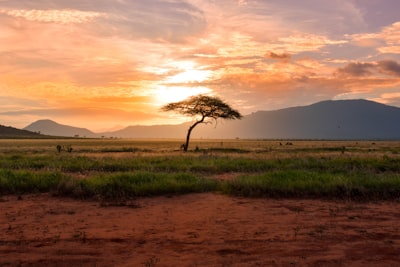
The Olpopongi boma sits in the West Kilimanjaro region — the broad plains between Arusha and the Kenyan border that form the traditional Maasai heartland of northern Tanzania. On clear days (most likely October–February and June–August), Kilimanjaro rises from the plains in the north, visible from inside the boma throughout the day. The drive itself is scenic — West Kilimanjaro's flat acacia savanna gives way to the mountain's lower slopes, and the light changes on the plains between morning and afternoon in ways that make the return drive as beautiful as the arrival. This is the correct Maasai landscape: the mountain as backdrop, cattle on the plain, and the warrior in red against the horizon.

Adumu jumping dance Fire-making by friction Spear-throwing Boma tour Elder storytelling Women's beadwork session Traditional Maasai lunch Guided bush walk Traditional medicine plants Cattle herding culture Day trip from Arusha Day trip from Moshi West Kilimanjaro setting Kilimanjaro views Authentic Maasai boma From $85 per person Daily departures
Hour-by-Hour

Complete Day Schedule — Boma to Return

The Maasai village day trip is approximately 9–10 hours door-to-door from Arusha. The boma experience itself is 4–5 hours of immersive cultural engagement, surrounded by a scenic West Kilimanjaro drive in both directions.

07:30 Hotel pickup — Arusha

Pickup from your Arusha hotel or guesthouse. Moshi pickups depart 07:00. The drive southwest covers 85 km (Arusha) or 74 km (Moshi) through the West Kilimanjaro countryside. On clear days the drive itself provides some of the best views of Kilimanjaro available from road level. The guide provides an introductory cultural briefing en route — Maasai history, age-set structure, the Morani warrior culture, and what to expect and how to behave respectfully during the visit.

Kilimanjaro views (clear days)West Kilimanjaro drive
09:30 Arrive Olpopongi — formal Maasai welcome

Arrival at the Olpopongi Maasai cultural community in West Kilimanjaro. The formal welcome is conducted outside the boma gate — a ceremony of greeting that is both welcoming and dignified. The guide handles all community entry fees and development contribution payments, which go directly to the boma's community fund. Introductions to the warriors, women, and elder who will guide the day's activities.

Formal welcome ceremonyCommunity entry
10:00 Adumu jumping dance — warrior culture performance and participation

The warriors form the jumping circle immediately — the Adumu is performed while the energy from the welcome is still high. A dozen or more Morani in brilliant red shukas chanting and leaping in competition. Each warrior takes his turn; the chanting grows faster as the jumps escalate. Guests are warmly invited to join the circle and attempt a jump — one of the most memorable moments of any Tanzania cultural visit, and one that almost always produces laughter from both sides. Photography is welcomed and encouraged throughout.

Adumu jumping danceWarrior chantingGuest participation invitedPhotography welcome
10:45 Fire-making by friction — spear-throwing demonstration

A warrior demonstrates traditional Maasai fire-making using two sticks — a hardwood friction stick rotated rapidly by hand against a softwood base. In dry conditions, a skilled Morani produces fire in under a minute. Guests are invited to try — the technique is harder than it looks and the warriors delight in the attempt. Following fire-making, spear-throwing is demonstrated at a target — the Maasai spear (orinka) is the warrior's primary tool and weapon, and throwing technique is practised from childhood.

Fire-making by frictionSpear-throwingGuest participation
11:30 Guided boma tour — elder storytelling — hut interior visit

A guided walk through the circular boma with a Maasai elder. The tour covers the architecture and construction of the manyatta huts — built exclusively by women using mud, sticks, grass, and cow dung on a timber frame — the central cattle enclosure at the heart of the boma (cattle sleep inside at night, protected by the thorny outer fence), the sleeping and cooking arrangements, and the family structure of a Maasai enkang. The elder shares stories of the age-set system, warrior initiation (Emuratare), and the Eunoto ceremony. Guests are welcome to enter a hut interior and understand the domestic Maasai living space.

Boma architecture tourHut interior visitElder storytellingCattle enclosure
12:15 Women's beadwork session — colour language explained — authentic market

Maasai women lead the beadwork session — demonstrating the threading and pattern-making process and explaining the colour language of Maasai beadwork (see the beadwork colour guide above). This is the single most quietly extraordinary cultural conversation of the day — learning that what looks like jewellery is actually a readable social text, visible to any Maasai at a glance. The authentic beadwork market follows: pieces made by the women of the boma — necklaces, bracelets, earrings, and headpieces — are available for purchase directly from the artisans. Prices are fixed and fair.

Beadwork demonstrationColour languageAuthentic market
13:00 Traditional Maasai lunch — inside the boma

Lunch is served inside the boma — a combination of traditional Maasai food and East African staples prepared by the boma women. Traditional Maasai diet centres on cattle products: milk, blood (taken from live cattle by lancing a neck vein, then sealing the wound — a harmless practice), and meat. The lunch typically includes ugali (maize porridge), nyama choma (roasted meat), local vegetables, and chai (spiced tea). Guests sit with community members during lunch — the most intimate and relaxed cultural exchange of the day, when the questions and conversations flow most naturally.

Traditional Maasai mealUgali & nyama chomaEating with community
14:00 Guided bush walk — traditional medicine plants — tracking — cattle culture

A Maasai warrior or elder leads the afternoon bush walk through the grazing territory surrounding the boma — approximately 2–3 km on open West Kilimanjaro plains. The walk identifies plants used in traditional Maasai medicine: bark used to treat malaria symptoms, roots used as anti-inflammatories, sap used to seal wounds, and leaves used as antibiotics. Tracking techniques are demonstrated — animal spoor identification, direction reading, and the skills a young Morani learns while herding cattle for hours daily from childhood. Kilimanjaro is visible on the northern horizon throughout the walk on clear days.

Traditional medicine plantsTracking techniquesKilimanjaro viewsCattle herding culture
15:30 Farewell — final photography — depart boma

The farewell is conducted with the same formality as the welcome — a departure ceremony from the boma. Final photography with the warriors and women (always with consent and with the respectful tone established over the day's shared experience). The guide coordinates any remaining beadwork purchases before departure.

17:00–17:30 Return to Arusha / Moshi — hotel drop-offs

Return drive east to Arusha and Moshi. Hotel and guesthouse drop-offs. Moshi arrives approximately 30 minutes earlier than Arusha due to proximity. The return drive at sunset — Kilimanjaro in silhouette, the plains turning gold — is as memorable as the outward journey.

Sunset Kilimanjaro silhouetteReturn Arusha/Moshi

Responsible Tourism

How to Visit Respectfully

The Maasai are a living people with a living culture — not a museum exhibit. A respectful visit is one that recognises the community as hosts and the visitor as a guest, follows Maasai social norms during the visit, and contributes economically to the community in a way that supports rather than undermines their cultural integrity.

✊ How Resilience Safaris approaches this responsibly

We work exclusively with the Olpopongi community, which has a transparent community-fee model — 100% of the boma entry and development contribution fee goes directly to the community fund for education, water infrastructure, and healthcare. The beadwork market sells exclusively community-made pieces at fixed prices negotiated with the women's cooperative, not imported goods. Our guides speak Maa and are culturally embedded in the local context — not interpreters reading from a script.

Ask before photographing any individual. Always. The guide will help facilitate this. Maasai are generally happy to be photographed once asked — and the relationship built by asking makes the photograph infinitely better.
Bring small denomination Tanzanian shillings or USD if you plan to purchase beadwork — exact change avoids awkward moments and is appreciated by the artisans.
Dress modestly — covered shoulders and knees are appropriate for a boma visit. The guide will confirm dress code at booking.
Leave gifts of sweets, pens, or toys for children at home — well-intentioned but genuinely harmful to community dynamics. The beadwork purchase is the most direct and impactful way to support the community.
Engage genuinely — ask questions through the guide, listen to the answers, and allow for the reciprocal curiosity that makes a cultural exchange genuinely mutual. The Maasai are as interested in where you are from as you are in their lives.

Booking Options

Group Joining or Private Cultural Tour

Same community, same cultural experiences, same guide quality. The group joining option shares the transport cost among up to 7 guests. The private tour gives your group exclusive access and full flexibility.

Best Value
Group Joining
Shared Transport
Join fellow travellers · Maximum 7 guests
$85 / person (shared transport)
  • Shared 4x4 transport (max 7 guests)
  • Maasai community entry and development contribution fee
  • Expert licensed cultural guide (Maa/Swahili/English)
  • Adumu jumping dance — guest participation
  • Fire-making and spear-throwing demonstrations
  • Full boma tour with elder storytelling
  • Women's beadwork session
  • Traditional Maasai lunch inside the boma
  • Guided bush walk — traditional medicine and tracking
  • Hotel pickups and drop-offs Arusha and Moshi
Private Tour
Exclusive Experience
Your group only · Full flexibility & add-ons
$220 / person (2 pax, private)
  • Exclusive private 4x4 — your group only
  • All community fees included
  • Expert licensed cultural guide — yours alone
  • Full cultural programme — all 6 activities
  • Extended elder storytelling session (additional time)
  • Option to add Materuni Waterfall or coffee farm visit
  • Traditional Maasai lunch inside the boma
  • Guided bush walk with tracking lesson
  • Hotel pickups and drop-offs Arusha and Moshi

What is Covered

Inclusions and Exclusions

Included
  • Return transport from Arusha or Moshi (shared or private)
  • Maasai community entry and development contribution fee (goes directly to community)
  • Expert licensed cultural guide — Maa, Swahili, and English speaker
  • Adumu jumping dance — warrior performance and guest participation
  • Fire-making and spear-throwing demonstrations
  • Full guided boma tour with elder storytelling
  • Women's beadwork session with colour language explanation
  • Traditional Maasai lunch served inside the boma
  • Guided bush walk — traditional medicine plants and tracking
  • Hotel pickup and drop-off in Arusha and Moshi
Not included
  • Tanzania tourist visa (~$50 USD — apply at eservices.go.tz)
  • Personal travel and medical insurance
  • Guide gratuity ($10–$15 per day recommended)
  • Beadwork and crafts purchased from the community market
  • Bottled drinks beyond water (water is provided)
  • Optional add-on: Materuni Waterfall or coffee farm (private tours)
  • Personal items

How to Choose

Maasai Day Trip vs Other Cultural Options

Option Focus Duration Cultural depth From
1-Day Maasai Village (this) Maasai pastoralist culture Full day 6 activities $85
Mto wa Mbu Village Walk Multi-tribe market village 2–3 hours Walk only $15
Materuni Waterfall + Coffee Chagga culture + nature Full day Coffee + waterfall $65
Maasai Village (gate-side stop) Brief boma visit only 30–60 min Dance only $10–$20

What our Maasai village day trip guests say

Lukas V.
★★★★★
Lukas V. — Austria

"I had two days before my Kilimanjaro climb and did the Maasai village trip on day one. The guide explained Maasai culture during the two-hour drive so thoroughly that by the time we arrived I genuinely understood what I was seeing, not just what I was looking at. The jumping dance was extraordinary — I tried to jump with the warriors and the entire boma laughed for five minutes. The beadwork explanation changed how I will look at Maasai jewellery forever. Completely different to a brief gate-side boma stop. A full day well spent."

Private tour · October
Isabella M.
★★★★★
Isabella M. — Brazil

"The moment that stayed with me most was not the jumping dance or the fire-making — it was sitting with a Maasai grandmother during the beadwork session and watching her hands move through the beads as the guide translated her explanation of what each colour meant for her family and her life. She was explaining her life history through the jewellery she was wearing, and it was as detailed and personal as any autobiography. I spent forty minutes with her. I bought three pieces. I will never look at Maasai beadwork again without remembering that conversation."

Group joining · January
Kenji A.
★★★★★
Kenji A. — Japan

"I am a documentary photographer and I was worried the Maasai visit would be too performative for serious photography. It was not. The guide had a genuine relationship with the community — people greeted him by name, the elder embraced him. The Adumu happened because the warriors wanted to jump, not because a tourist was watching. When I asked to photograph an old man sitting with his cattle in the late afternoon sun, the guide asked him and he said yes and sat with complete dignity for fifteen minutes. I got the best portrait of my career. This is the real thing."

Private tour · July

Expert Answers

Maasai Village Day Trip — Common Questions

  • The authenticity of a Maasai village visit depends entirely on which community you visit and how the relationship is structured. Many visitors to Tanzania have a brief stop at a commercialised roadside boma near a park gate — a 20-minute performance with no context, no explanation, and no connection to the community's actual life. The Resilience Safaris Maasai day trip works exclusively with the Olpopongi community in West Kilimanjaro — one of the most established and transparent community-visit programmes in Tanzania. The people who host the visit live there year-round. The warriors who demonstrate fire-making use fire-making daily. The women whose beadwork is sold wear the same beads in the same patterns to communicate the same social information they explain to guests. The community entry fee goes directly to the community fund. Our guide speaks Maa and has a personal relationship with the community members — people greet him by name. This is not a performance for tourists. It is an invitation into a living culture.
  • The Adumu (also called the Aigus) is the iconic competitive jumping dance performed by Maasai Morani — warriors. Young men form a circle and take turns leaping as high as possible from a standing position, no run-up, while the other warriors chant rhythmically in an escalating call-and-response. Traditionally performed at celebrations, warrior initiations (Emuratare), and the Eunoto ceremony, the Adumu tests physical endurance and competitive spirit — the higher the jump, the greater the warrior's status. Yes, the Adumu is performed during every Maasai day trip as the central warrior welcome activity. It is one of the most photographed and viscerally memorable moments available in East Africa. Guests are always invited to join the circle and attempt a jump — which almost universally ends in communal laughter and genuine connection. Photography is welcomed and encouraged throughout.
  • The drive from central Arusha to the Olpopongi Maasai community in West Kilimanjaro is approximately 2 hours (85 km). From Moshi the drive is approximately 1.5 hours (74 km). The route passes through beautiful rural West Kilimanjaro countryside at the foot of the mountain's southern slopes. On clear days (most common October–March and June–August), Kilimanjaro is visible on the northern horizon throughout the drive. Depending on the season, zebra and elephant are occasionally seen in the West Kilimanjaro wildlife corridor along the route. The guide uses the drive time for a cultural briefing — Maasai history, age-set structure, the warrior system, beadwork meanings, and how to engage respectfully during the visit — so the journey is genuinely productive and the boma arrival lands in a fully prepared context.
  • Resilience Safaris's Maasai village day trip starts from $85 per person on a group joining basis (shared transport, maximum 7 guests). Private cultural tours start from $220 per person based on two people. Both include the Maasai community entry and development contribution fee (which goes directly to the community fund), the expert licensed cultural guide who speaks Maa, Swahili, and English, return transport from Arusha or Moshi, all six cultural activities (Adumu, fire-making, spear-throwing, boma tour, beadwork session, and bush walk), a traditional Maasai lunch inside the boma, and hotel pickup and drop-off. The Tanzania tourist visa (~$50 USD) and guide gratuity are not included. Beadwork and crafts purchased from the community market are at your discretion and directly benefit the artisans.
  • Yes — the Maasai village day trip is one of the most popular pre- or post-safari and pre- or post-Kilimanjaro cultural activities available from Arusha and Moshi. It uses a free day before or after a main trip and adds a completely different dimension to the Tanzania experience — cultural immersion alongside wildlife or mountain adventure. For guests arriving a day or two early before a Kilimanjaro climb, the Maasai day trip is an excellent acclimatisation and cultural introduction activity. For guests with a day between their safari return and their flight home, it is the most meaningful one-day cultural experience available in northern Tanzania. The West Kilimanjaro location also means the day trip provides some of the closest and most dramatic Kilimanjaro views available from road level on clear days.
  • Dress modestly — covered shoulders and knees are appropriate for a boma visit and show respect for the community's social norms. Light layers work best: mornings can be cool at West Kilimanjaro altitude, and afternoons warm up significantly. Sturdy closed shoes are recommended for the bush walk. Bring sunscreen, a hat, and a water bottle (water is provided in the vehicle but having your own for the bush walk is sensible). A camera is strongly encouraged — photography is warmly welcomed, with the understanding that you always ask before photographing an individual. Bring small denomination USD or Tanzanian shillings if you plan to purchase beadwork — $5–$30 USD covers most pieces. There is no need to bring gifts for the community or children — see the responsible tourism section above for guidance on this.
  • The Maasai village day trip is excellent for children of all ages and is one of the most genuinely engaging Tanzania experiences for young visitors. The Adumu jumping dance is immediately exciting and participatory — children are often the most enthusiastic jumpers in the circle. The fire-making demonstration holds children's attention completely. Maasai children in the boma are naturally curious about visiting children, and cross-cultural play often develops spontaneously during the beadwork session and lunch. The bush walk is manageable for children aged 5+ (approximately 2–3 km on flat terrain). The guide adapts the cultural explanations to age-appropriate language when children are present. Please mention the ages of children when booking so the guide can prepare accordingly.
Maasai village day trip from $85