Serengeti National Park, TanzaniaUNESCO World Heritage Site
4 Days Serengeti Migration Safari 2026–2027: Great Migration Tanzania Safari
Tanzania's three essential wildlife destinations in four precise days — the Serengeti's Great
Migration, the Ngorongoro Crater in full, and Tarangire's legendary elephant herds. Our sharpest migration
itinerary, designed to deliver Africa's greatest wildlife within the tightest possible schedule.
4 Days / 3 Nights3 National ParksBig Five possibleEntry-level priceMax 6 per vehicle
412 verified safari guestsTripAdvisor · Google · Booking.com
1.5M+
Wildebeest
3
National Parks
Big Five
All possible
15+
Years guiding
The precision safari
Four Days. Three Parks. Nothing Wasted.
The 4-day Serengeti Migration Safari is our sharpest itinerary — built for travellers who have less than a
week but refuse to skip Africa's greatest wildlife destinations. In four days, this safari reaches the
Serengeti's Great Migration, spends a full day inside the Ngorongoro Crater, and covers Tarangire's elephant
herds. Every day is a full wildlife day. There are no transit days, no wasted hours, and no diluted
experiences.
The 4-day safari is the entry point to the Tanzania migration experience and the most popular add-on for
travellers combining a Kilimanjaro climb with a safari leg — allowing the mountain-and-migration combination
to fit within twelve days of travel. The price is the lowest in our migration collection, but the guide
quality, park access, and accommodation standards are identical to our longer itineraries.
For those who want more time — and the higher crossing probability that comes with it — our 5, 6, or 7-day
itineraries are the natural step up. But for those whose window is four days, this safari delivers the
migration without compromise on the essentials.
Serengeti Migration — one full day
One complete dawn-to-dusk Serengeti day in the active migration zone, positioned by
real-time guide network intelligence before first light.
Ngorongoro Crater — full dawn day
A complete day inside Africa's most wildlife-dense sanctuary, including black rhino
tracking at dawn, lion prides, leopard, and a picnic lunch on the crater floor.
Tarangire — elephant herds and baobabs
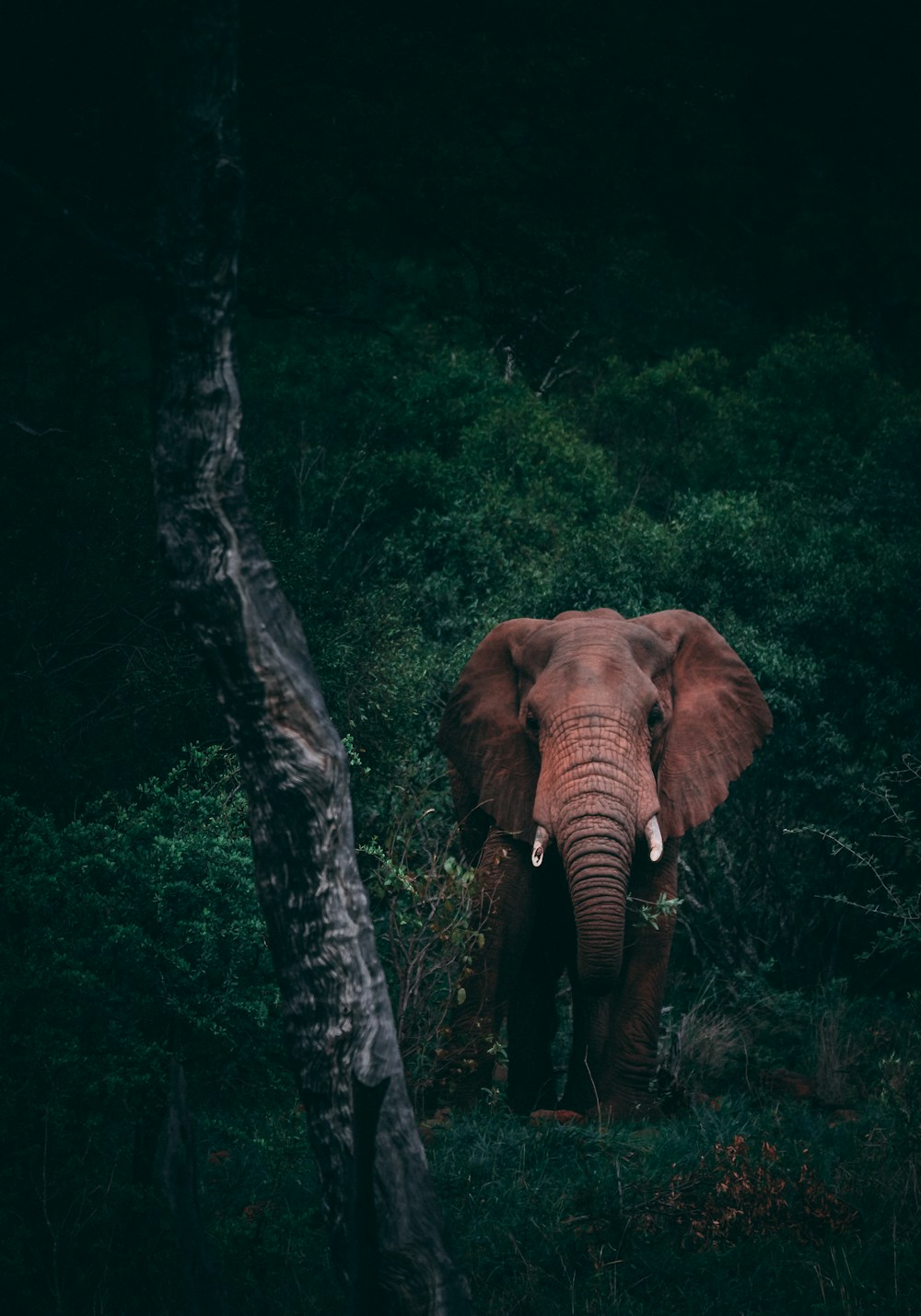
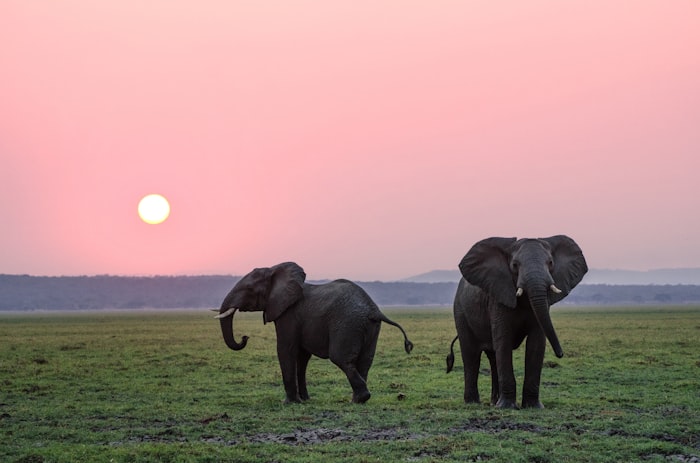
One afternoon game drive and one full day among Tanzania's greatest elephant
concentration in the ancient baobab and riverine landscape.
Big Five — all genuinely achievable
Expert guide positioning across three parks makes all five achievable in four days. Black
rhino in Ngorongoro, elephant in Tarangire, lion and leopard in the Serengeti.
When to visit
Great Migration Calendar — Best Time to Visit
The migration moves year-round. Our guide positions your single Serengeti day in the most
active zone available for your travel dates.
Jan – Feb
Southern Serengeti · Ndutu
Calving season — 500,000 calves in 3 weeks. Explosive predator activity. Cheetah, lion,
and wild dog at peak concentration.
March
Southern Plains
Herds still on the southern plains. Late calving. Vast concentrations of wildebeest and
zebra with excellent predator action.
Apr – May
Western Corridor
The long march north begins. Long migration columns across the plains with the lowest
visitor numbers of the year.
June
Grumeti River
Grumeti River crossings. Giant resident crocodiles. First dramatic crossing of the annual
cycle. Less visited than the Mara.
Jul – Oct
Northern Serengeti · Mara River
The Mara River crossings. The most dramatic wildlife event on Earth. Crocodiles, mass
stampedes. Peak season.
Nov – Dec
Eastern Serengeti
Return migration south. Short rains begin. Herds move through the eastern Serengeti
toward Ndutu. Vast columns on the plains.
Making one full Serengeti day count
On a 4-day safari, the quality of your single Serengeti day is entirely determined by guide preparation and
positioning. Our guide communicates with the real-time network before dawn, drives to the most active
migration location in the park, and stays there for the full day. No half-measures. During calving season, one
focused Ndutu day delivers extraordinary predator activity. During crossing season, one full day at the Mara
River is a genuine crossing opportunity — the most intense single-day wildlife experience in East Africa.
Great Migration · Serengeti
Ngorongoro Crater
+6 photos
1.5M+
Wildebeest in migration
1
Full Serengeti day
300+
Elephants per Tarangire herd
~30
Black rhino in Ngorongoro
Safari Overview
Three Essential Parks in Four Precise Days
The 4-day Serengeti Migration Safari is the most condensed version of Tanzania's northern wildlife
circuit — designed to visit the three destinations that define the safari experience without a single
wasted hour. The route is direct, purposeful, and built around full wildlife days rather than travel days.
Every overnight is positioned for the next morning's game drive.
The circuit begins in Tarangire — an afternoon arrival game drive followed by a full morning game drive
the next day among the elephant herds and baobab woodland. The afternoon of Day 2 drives toward the
Ngorongoro Conservation Area. Day 3 descends into the crater at dawn for a complete day inside Africa's
most wildlife-dense sanctuary, followed by the afternoon departure to your Serengeti camp. Day 4 is the
Serengeti — a complete dawn-to-departure game drive in the active migration zone before the afternoon
return to Arusha.
One full Serengeti day. One full Ngorongoro Crater day. One full Tarangire day. Three parks, three
complete wildlife days, zero dilution. This is the 4-day safari — and it delivers everything that matters.
One Serengeti day — focused entirely on the migration zone
A single Serengeti day on the 4-day safari is not a compromise — it is a complete, pre-dawn-to-dusk
game day in the most active migration location our guide network identifies. Your guide communicates
with scouts across the park before first light and drives directly to where the migration herds and
predator concentrations are densest. No wasted hours, no warm-up drives — the full day is the
migration, and nothing else.
Big Five — all achievable on a well-guided 4-day safari
Elephant is guaranteed in Tarangire. Black rhino is most reliably found in the Ngorongoro Crater at
dawn — the best place in Africa for this encounter. Lion, leopard, and buffalo are virtually certain
across the Crater and Serengeti. Cheetah is frequently encountered in the Seronera corridor. On a
4-day safari with expert positioning, all five are genuinely achievable — the guide's preparation is
the difference between a checklist and a real encounter.
The ideal Kilimanjaro safari add-on
The 4-day safari is the most popular add-on for Kilimanjaro climbers. A 7-day Machame climb plus the
4-day safari runs 11 days total. A 6-day Marangu plus the 4-day safari runs 10 days. Both fit within a
standard two-week holiday with room for travel and Zanzibar recovery. We manage all logistics between
mountain and bush, offer combined package pricing with reduced total cost, and provide seamless
transitions between the altitude of Kilimanjaro and the warm savanna of the Serengeti. This is the
most compact version of Tanzania's greatest double adventure.
Best season for a 4-day safari
The calving season (January–February) is the most productive season for a one-day Serengeti visit —
the predator-prey activity in Ndutu is concentrated, intense, and predictable, making a single focused
day extraordinarily productive. During the Mara River crossing season (July–October), one full day at
the crossing points is a genuine opportunity to witness the event, though the herd's unpredictability
means it cannot be guaranteed. For guaranteed migration herd sightings in volume, all seasons except
perhaps April–May deliver.
Great MigrationBig Five1 Full Serengeti DayNgorongoro CraterTarangire elephantsMara River crossingCalving seasonExpert naturalist guidePrivate 4x4 vehicleMost affordable migrationKilimanjaro ideal add-onYear-round available
Day-by-Day Programme
4-Day Serengeti Migration Safari Itinerary
The 4-day safari opens with a 2.5-hour drive southwest to Tarangire National Park —
one of Tanzania's most visually extraordinary and wildlife-rich destinations. The Tarangire River
draws enormous elephant herds and diverse wildlife year-round, and the afternoon game drive on Day 1
is productive from the moment you enter the gate. The guide begins gathering intelligence for the
Ngorongoro and Serengeti days ahead.
08:00
Pickup from Arusha or Moshi hotel
Meet your expert naturalist guide. Vehicle and equipment check. Drive southwest
toward Tarangire through the East African Rift Valley landscape.
11:00
Enter Tarangire National Park
Begin the first game drive along the Tarangire River. Elephant herds of 300+
commonly seen in the riverbed. Lion, leopard, cheetah, and the ancient baobab-lined riverbank.
13:00
Bush lunch in the field
Lunch boxes served in the field — maximum time in the wildlife zone. Afternoon
game drive continues immediately. The golden afternoon light makes the baobab savanna
extraordinary for photography.
18:00
Check in to Tarangire camp or lodge
Welcome briefing. Sundowner drinks overlooking the river. Dinner under the
stars. Buffalo and zebra often visible at the camp perimeter at dusk.
A dawn game drive in Tarangire — the best predator-viewing window in the park — before
midday departure north to the Ngorongoro Conservation Area. The morning covers Tarangire's iconic
baobab woodland and the Tarangire River predator corridor. The afternoon climbs the Ngorongoro
escarpment to your crater rim lodge, where the first view of the world's most perfect wildlife arena
waits below. Tomorrow begins before dawn inside it.
06:00
Dawn game drive — predator tracking
Lion and leopard active around the Tarangire River at dawn. Cheetah hunt on the
open plains before retreating to shade. Your guide follows fresh tracks identified from
yesterday's afternoon intelligence.
08:30
Bush breakfast — baobab woodland
Breakfast served in the field among the ancient baobabs. Continue driving
through the iconic woodland — trees 2,000+ years old, ground hornbills calling in the canopy.
11:00
Depart Tarangire — drive north to Ngorongoro
Drive north through the escarpment landscape toward the Ngorongoro Conservation
Area. The road climbs the Oldeani escarpment through Maasai community land and highland forest.
16:00
Arrive Ngorongoro crater rim lodge
Your first view of the crater — 260 km² of unbroken wildlife sanctuary 600 m
below. Dinner with panoramic sunset over the caldera. Tomorrow begins before dawn.
Elephant familiesLeopardCheetah2,000-yr BaobabsNgorongoro rim
view
The centrepiece of the 4-day safari. A complete day inside the Ngorongoro Crater —
Africa's most densely stocked wildlife sanctuary and the most reliable location in the world to see
black rhino in the wild. The 260 km² crater floor holds approximately 25,000 large mammals year-round,
including the extraordinary crater lion prides and their unique thick-maned males. The afternoon
drives across the Ngorongoro plateau to your first Serengeti camp, where the migration begins
tomorrow.
05:30
Pre-dawn drive to crater descent gate
Depart rim lodge before dawn to reach the crater descent gate for the 6:00 am
opening. The guide uses overnight guide network intelligence to plan the morning's positioning.
06:00
Descent into the crater at first light
600 m of dramatic escarpment road. The crater floor emerges from morning mist.
Inside Africa's most perfect wildlife sanctuary by 6:30 am — the ideal time to locate black
rhino.
07:00
Black rhino tracking
The crater's black rhino population is the morning's primary target — the best
opportunity anywhere in Africa. Your guide uses overnight sightings from the guide network to
position before first light.
10:00
Lerai Forest — lions, leopard, and hippo pool
The acacia forest in the crater's south is prime leopard habitat. The famous
hippo pool at the forest edge. Male lions with the extraordinary crater manes unique to this
isolated gene pool.
13:00
Picnic lunch on the crater floor
Lunch boxes eaten with the entire crater visible in every direction. Vultures
and kites circle overhead. Back to drives immediately after.
16:30
Crater ascent — depart for Serengeti
Exit the crater and drive across the Ngorongoro plateau to the Serengeti gate.
The landscape transitions dramatically from crater farmland to the open Serengeti plains. Arrive
at Serengeti camp at dusk. Tomorrow is the migration.
Black RhinoCrater LionsLeopardBuffalo 5,000+HippoFlamingoZebra 4,000
The final and most anticipated day of the safari — the Serengeti migration day. From
before dawn, your guide is positioned in the active migration zone based on overnight network
intelligence: the Mara River crossing points during July–October, the Ndutu calving concentration
during January–February, or the central Seronera predator and migration corridor in other seasons. A
full morning of driving — pre-dawn until the 10:00 am departure window — ensures maximum wildlife time
before the return drive to Arusha.
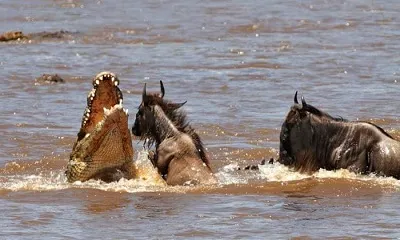
Mara River Crossings (July–October)
Your guide drives to the Mara River crossing points before dawn. If a crossing begins, your
vehicle is positioned within metres of the action — wildebeest stampeding into crocodile-filled
water in a scene of extraordinary drama. One full morning at an active crossing point is genuinely
capable of delivering this event on the right day.
Calving Season — Ndutu (January–February)
One focused morning in the calving zone near Ndutu delivers the highest concentration of
predator-prey interactions of any period in the Serengeti ecosystem. A cheetah hunt at dawn, a
lion kill on the calving plains, and wild dog packs moving through the newborn herds — one morning
of this is unforgettable.
05:30
Pre-dawn — full migration zone positioning
Overnight guide network intelligence applied. Drive before first light to the
crossing point, calving zone, or Seronera predator corridor. Dawn is the most productive window
of the entire day.
06:00
Full migration and predator drives
Complete pre-dawn-to-departure drive in the active migration zone. Migration
herds at scale, predator concentrations, and the Serengeti landscape at its most dramatic in the
first light. Bush breakfast served in the field.
09:30
Return to Serengeti camp — breakfast and departure
Final breakfast at camp. Pack vehicles. Depart Serengeti by 10:00 am for the
5–6 hour drive back to Arusha via the Ngorongoro highlands.
10:00
Depart Serengeti — drive to Arusha
Drive via the Ngorongoro crater highlands. Traditional Maasai villages,
highland forest, and Rift Valley panoramas. Lunch stop en route. Arrive Arusha in the afternoon.
16:00
Drop off at Arusha hotel or KIA airport
End of safari services. Asante sana — thank you for joining us.
1.5M WildebeestNile CrocodileHunting LionsCheetahZebra
300,000LeopardWild Dog
Accommodation and Pricing
Choose Your Safari Experience
All packages follow the identical 4-day itinerary.
The tier determines accommodation standard, vehicle exclusivity, and included extras.
Budget / Group
Shared Safari
Comfortable lodges and tented camps
$1,380 / person (group vehicle)
Shared 4x4 safari vehicle (max 6 passengers)
All park and conservation fees included
Comfortable mid-range lodges and tented camps
All meals — full board throughout
Professional licensed naturalist guide
Expert migration tracking and positioning
Bottled water in vehicle daily
Airport transfers Arusha / Moshi
Most Popular
Mid-Range / Private
Private Safari
Premium tented camps with en-suite
$2,200 / person (private vehicle)
Exclusive private 4x4 vehicle
All park and conservation fees included
Premium tented camps with en-suite facilities
All meals plus sundowner drinks and snacks
Expert private naturalist guide — yours alone
Daily migration intelligence briefing
Flexibility to adjust game drive timing
Airport transfers plus Arusha hotel night
Luxury / Flying
Luxury Flying Safari
Exclusive conservancy camps and charter flights
$4,200 / person (all-inclusive)
Charter bush flights between parks
Exclusive luxury tented camps and conservancies
All meals and premium drinks throughout
Private vehicle and private guide (1:2 ratio)
Hot air balloon safari over Serengeti included
Bush walks with armed ranger included
Maasai village cultural visit
Full photography support from guide
What is Covered
Inclusions and Exclusions
Included in all packages
All TANAPA / NCAA national park entry fees
Ngorongoro Conservation Area fees
Professional licensed naturalist guide
Custom 4x4 safari vehicle with roof hatches
All accommodation (3 nights) as per package tier
All meals — full board from Day 1 dinner to Day 4 lunch
Bottled water, soft drinks and bush snacks during drives
Tanzania tourist visa (approximately $50 USD online)
Personal travel and medical evacuation insurance
Hot air balloon safari (optional — approximately $650 per person)
Alcoholic beverages (unless luxury package)
Personal spending money and gratuities
Tips for guide (approximately $20 per day recommended)
Personal medications and anti-malaria prophylaxis
Route Intelligence
Migration Activity by Month
All seasons deliver exceptional wildlife on the 4-day
safari. One focused Serengeti day, precisely positioned, accesses the most active migration phase available.
Months
Migration Phase
Key Activity
Predator Action
Crowds
Jan–Feb
Calving Season
Extraordinary
Highest of year — cheetah, lion, wild dog
Moderate
March
Southern Plains
Very Good
Still excellent — herds concentrated
Low
Apr–May
Western Corridor
Good
Good — long columns, good predator action
Very low
June
Grumeti Crossings
Excellent
Grumeti crocodiles — dramatic crossings
Low
Jul–Oct
Mara River Crossings
Peak Season
Crocodiles, mass crossings, lion hunts
High
Nov–Dec
Return Migration
Very Good
Good — herds on eastern plains, short rains
Low
What our 4-day safari guests say
★★★★★
Alex P. — Australia
"I had four days after Kilimanjaro and almost did not bother with a safari, thinking
it would not be enough. Our guide had us at the crossing point before sunrise and we watched a full
river crossing before 7 am. Four days was the best decision I made on the entire trip."
Post-Kilimanjaro · August 4-day safari
★★★★★
Clara F. — Sweden
"The Ngorongoro Crater was the most extraordinary place I have ever been. We found
the black rhino on our first pass of the crater floor. Then crater lions. Then leopard in the Lerai
Forest. The guide's knowledge made the difference — every location was chosen with precision, not
guesswork."
4-Day Private Package · February safari
★★★★★
Yusuf K. — United Arab Emirates
"We only had four days and the guide made every hour count. Elephant herds in
Tarangire on day one, black rhino in the Crater on day three, and a cheetah hunt in the Serengeti on
the final morning before our flight. I have never experienced that density of wildlife in any four-day
window anywhere in the world."
4-Day Luxury Package · October safari
Expert Answers
Frequently Asked Questions
Yes — with honest expectations about what one Serengeti day delivers. A
single focused Serengeti day managed by an expert guide with real-time migration intelligence
consistently delivers the migration herds at scale, the predator concentrations that the migration
sustains, and the Serengeti landscape in full. What one day cannot guarantee is the dramatic Mara River
crossing event, which requires patience and multiple days at the crossing point to maximise probability.
If witnessing a crossing is the primary goal, we recommend 5, 6, or 7 days. But for those whose schedule
allows only four days, a focused 4-day safari delivers Tanzania's finest wildlife destinations and the
migration in genuine depth — not as a hurried glimpse.
The calving season (January–February) is the most productive season for a
single-day Serengeti visit — the predator-prey concentration in the Ndutu area is extraordinary and the
activity is highly predictable within a focused one-day positioning. The Mara River crossing season
(July–October) offers the most dramatic potential for a single day — one full morning at the crossing
points is a genuine opportunity, though the herd's timing cannot be guaranteed. April–May and
November–December offer the lowest prices, fewest visitors, and excellent resident wildlife. All seasons
are worthwhile on this itinerary — our guides position your one Serengeti day in the most active zone
available.
The 4-day Serengeti Migration Safari costs from $1,380 per person (shared
vehicle, comfortable lodges) to $4,200 per person (luxury flying safari with charter flights, exclusive
conservancy camps, and hot air balloon included). The mid-range private vehicle package at $2,200 per
person is the most popular option, offering a private vehicle, premium en-suite tented camps, and a
private naturalist guide. All packages include all park fees, 3 nights accommodation, all meals, expert
guiding, and airport transfers. International flights and visa are not included. This is our
lowest-price migration safari offering.
Yes — the 4-day safari is our most popular Kilimanjaro add-on. A 7-day
Machame climb plus the 4-day safari runs 11 days total — fitting within a standard two-week holiday with
comfortable margins for travel days on each end. A 6-day Marangu route plus the 4-day safari runs 10
days. Both combinations depart from Moshi, share the same guide infrastructure, and we manage all
logistics between mountain and bush. We offer combined package pricing with reduced total cost. The
contrast between the austere altitude of Kilimanjaro and the warm abundance of the Serengeti is one of
Tanzania's greatest travel experiences — and the 4-day safari is the most efficient way to include it
after the mountain.
All three itineraries visit the same three core parks (Tarangire,
Ngorongoro, and the Serengeti) with the same guide quality. The key difference is Serengeti time: the
4-day has one full Serengeti day, the 5-day has two, and the 6-day has two plus Lake Manyara. The 4-day
also combines the Crater descent and Serengeti departure on the same day (Day 3), which means the
Serengeti day (Day 4) is a single dedicated wildlife day. The 5-day separates these days and adds a
second Serengeti day, increasing migration probability and allowing deeper predator tracking. If your
budget and schedule allow the 5-day, we recommend it. The 4-day delivers everything essential but
operates with no reserve days against the migration's unpredictability.
Tanzania is one of Africa's most stable and safest tourism destinations. No
physical fitness is required for any safari — all wildlife viewing is from the vehicle. Essential
preparation: malaria prophylaxis is strongly recommended for the Serengeti zone; travel insurance with
medical evacuation cover is essential; a Tanzania tourist e-visa (approximately $50 USD) is obtained
online before travel. All safari vehicles carry emergency communication equipment. We provide a full
pre-safari information pack on booking covering health, visa, packing, and logistics. For a 4-day
safari, packing light is recommended — a single soft duffel bag rather than a rigid suitcase fits best
in the safari vehicle. Neutral earth-tone clothing (khaki, olive, tan) for game drives; a fleece or
light jacket for early morning starts; and quality sunscreen and sunglasses for afternoon drives.