- Shared 4x4 safari vehicle (max 6 passengers)
- All park and conservation fees included
- Comfortable mid-range lodges and tented camps
- All meals — full board throughout
- Professional licensed naturalist guide
- Expert migration tracking and positioning
- Bottled water in vehicle daily
- Airport transfers Arusha / Moshi
Safari Overview
Tanzania's Three Greatest Wildlife Destinations
The 5-day Serengeti Migration Safari visits Tanzania's three most iconic wildlife destinations — Tarangire National Park, the Ngorongoro Crater, and the Serengeti — in the most efficient itinerary we offer. Every day is purposeful, every overnight is positioned for the next morning's game drive, and every transition is timed to minimise travel time and maximise wildlife exposure.
The route begins in Tarangire — one full day among the elephant herds and baobab woodland that make this one of Tanzania's most distinctive and productive parks. Day three opens at the Ngorongoro Crater rim before the road climbs for an overnight above the caldera. Day four is a complete Ngorongoro Crater day — the most wildlife-dense location in Africa. Days four and five are the Serengeti: two full game-drive days in the active migration zone, beginning before dawn each morning.
This is not a safari that compromises. All three destinations are covered in full, not glanced at in transit. The Ngorongoro Crater gets a complete day, not a morning drive. The Serengeti gets two full days, not one. Tarangire gets a complete day among the elephants, not an afternoon game drive. Five days, three parks, nothing diluted.
Both Serengeti days are complete dawn-to-dusk game drives in the active migration zone. Your guide uses the real-time guide network to position before dawn — whether that is the Mara River crossing points during July–October, the Ndutu calving concentration during January–February, or the Seronera predator corridor and migration columns in other seasons. No warming up, no wasted hours — two days of precise, expert-guided wildlife immersion.
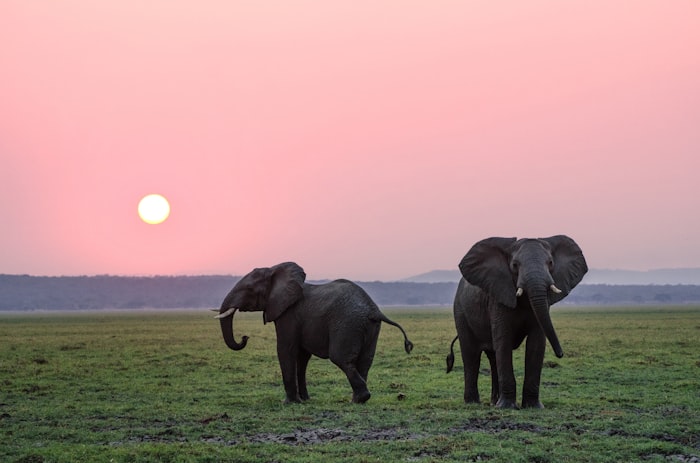
The combination of Tarangire, Ngorongoro, and the Serengeti covers the full range of Tanzania's Big Five habitats. Elephant is guaranteed in Tarangire. Black rhino is most reliably found in the Ngorongoro Crater. Lion, leopard, and buffalo are virtually certain across the Crater and Serengeti. Cheetah — a Serengeti specialist — is frequently encountered in the Seronera corridor. On a well-guided 5-day safari, all five are genuinely achievable.
The 5-day safari is our most popular Kilimanjaro combination add-on. A 7-day Kilimanjaro climb (Machame route) plus the 5-day safari runs exactly 12 days — fitting within two weeks of leave with days to spare for Zanzibar or Arusha recovery. Both depart from Moshi and use the same guide infrastructure. We offer combined package pricing with reduced total cost. For solo travellers, couples, and families combining Tanzania's greatest mountain with its greatest wildlife spectacle, this is the ideal pairing.
Day-by-Day Programme
5-Day Serengeti Migration Safari Itinerary
-
Your 5-day safari opens with a 2.5-hour drive southwest from Arusha or Moshi to Tarangire National Park — one of Tanzania's most visually extraordinary and wildlife-rich destinations. The Tarangire River is one of the few permanent water sources in the region during the dry season, drawing enormous concentrations of elephant, buffalo, and predators. The afternoon and evening game drive sets the tone for everything that follows.
-
08:00Pickup from Arusha or Moshi hotel
Meet your expert naturalist guide. Vehicle and equipment check. Drive southwest toward Tarangire through the Rift Valley escarpment. Views across the valley floor as far as Manyara.
-
11:00Enter Tarangire National Park
Begin the first game drive along the Tarangire River. Elephant herds of 300+ commonly seen in the riverbed. Lion, leopard, cheetah, ground hornbills, and the famous old baobab trees lining the riverbank.
-
13:00Bush lunch in the field
Lunch boxes served in the field. Maximum time in the wildlife zone. Afternoon game drive continues immediately — the golden afternoon light makes the baobab landscape extraordinary.
-
18:00Check in to Tarangire camp or lodge
Welcome briefing. Sundowner drinks overlooking the river. Dinner under the stars. The sounds of the African night begin.
Elephant herds 300+LionGiraffeBuffaloZebraGround Hornbill -
-
A full day exploring Tarangire's extraordinary diversity — the ancient baobab woodland, seasonal swamps, riverine forest, and open savanna that make this park unlike any other in Tanzania. Your guide uses the morning for predator tracking, following fresh tracks to lion and leopard in the riverine woodland, before shifting to elephant family groups in the afternoon golden light of the baobab savanna.
-
06:00Early morning game drive — predator hour
Dawn is the best predator-viewing window in Tarangire. Lion and leopard active around the river. Cheetah hunt on the open plains before retreating to shade. Your guide moves to fresh tracks from overnight.
-
08:30Bush breakfast in the baobab woodland
Breakfast served in the field. Continue driving through the iconic baobab woodland — trees 2,000+ years old standing like ancient sentinels above the savanna. Tree-climbing python occasionally found in the hollow trunks.
-
14:00Afternoon drives — elephant tracking and departure prep
Elephant family groups moving between the river and the woodland in the afternoon. The guide also gathers intelligence from the network about tomorrow's Crater and Serengeti conditions.
-
17:30Sundowner — baobab sunset viewpoint
Drinks at a baobab viewpoint as the sun drops below the savanna horizon. Return to camp for final dinner in Tarangire before tomorrow's transfer north.
Elephant familiesLeopardCheetah2,000-yr BaobabsRaptorsGiraffe -
-
The centrepiece of the 5-day safari. After an overnight on the Ngorongoro crater rim, the descent into Africa's most densely stocked wildlife sanctuary begins at first light. The 260 km² crater floor holds approximately 25,000 large mammals year-round — including the highest density of black rhino in Africa, the famous crater lion prides with their distinctive thick-maned males, and buffalo herds of 5,000+. A full day inside the crater is followed by the afternoon drive across the Ngorongoro plateau to your first Serengeti camp.
-
05:30Drive to Ngorongoro Crater rim — pre-dawn
Depart Tarangire in the early hours. Drive north through the escarpment landscape. Arrive at Ngorongoro crater rim gate for the 6:00 am descent opening.
-
06:00Descent into the crater at first light
Rim to crater floor: 600 m of dramatic escarpment road. Inside Africa's most perfect wildlife sanctuary by 6:30 am. The crater floor emerges from morning mist — the best time to find black rhino.
-
07:00Black rhino tracking
The crater's black rhino population is the morning's primary target. Your guide uses overnight guide network intelligence to position for the most recent sighting. The Ngorongoro Crater offers the best black rhino opportunity in Africa.
-
10:00Lerai Forest — lions, leopard, and hippos
The acacia forest in the crater's south is prime leopard habitat. The hippo pool at the forest edge. Crater lions with the extraordinary thick manes of the isolated gene pool — unique to this population.
-
13:00Picnic lunch on the crater floor
Lunch boxes eaten with the entire crater visible in every direction. Vultures circle overhead. Back to drives immediately after.
-
16:30Crater ascent — depart for Serengeti
Exit the crater and drive across the Ngorongoro plateau. The landscape transitions from crater farmland to open Serengeti plains. Arrive at Serengeti camp at dusk. The Migration begins tomorrow.
Black RhinoCrater LionsLeopardBuffalo 5,000+HippoFlamingoZebra 4,000 -
-
The first full Serengeti day — and the day the safari has been building toward since Arusha. From before dawn, your guide is positioned in the active migration zone based on overnight network intelligence. The central Seronera Valley provides year-round predator viewing. The seasonal migration zones — the Mara River crossing points during July–October, the Ndutu calving areas during January–February — are both within reach from Day 4's Serengeti camp. Today is the first immersion in what you came for.
Mara River Crossings (July–October)Your guide drives to the Mara River crossing points before dawn, using overnight intelligence to select the most active location. When the herd commits, thousands of wildebeest plunge into crocodile-filled water in a mass stampede. Two full crossing-zone days maximise the probability of a complete crossing event even on the shortest itinerary.
Calving Season — Ndutu (January–February)Approximately 500,000 calves born in three concentrated weeks — the highest predator-prey interaction density of any period in the Serengeti ecosystem. Two focused Ndutu days during calving season delivers cheetah hunts, lion kills, and wild dog packs in extraordinary proximity to newborn herds.
-
05:30Pre-dawn departure — migration zone positioning
Early start to reach the migration zone before sunrise. Guide uses overnight guide network intelligence for precise dawn positioning.
-
All dayFull-day migration and predator drives
No schedule constraints. Morning in the active migration zone. Afternoon expanding to the Seronera predator corridor. Bush lunch in the field. Sundown on the Serengeti plains.
-
18:30Sundowner on a Seronera kopje
The Serengeti sky at sunset from a private rocky outcrop. The sound of lions beginning to call as the light fades. One more full day remains tomorrow.
1.5M WildebeestNile CrocodileHunting LionsCheetahZebra 300,000LeopardWild Dog -
-
The final Serengeti day — a full morning of pre-dawn game driving using everything learned from yesterday's immersion. The guide returns to the most productive locations identified on Day 4: dawn carcasses fresh from the previous night's predator activity, the cheetah family or lion pride identified yesterday, and the migration herds at their most active in the early hours before the heat builds. The road back to Arusha passes through the Ngorongoro highland landscapes that mark the beginning of a journey home.
-
05:30Pre-dawn final Serengeti drive
The guide applies Day 4 intelligence — returning to the most active locations at dawn. Fresh carcasses from overnight predator activity. Lion coalitions moving to shade. Dawn is the best predator-viewing window of the day.
-
06:00Final migration and predator drives
Build on yesterday's knowledge. Return to crossing points or calving concentration. Follow the cheetah family or lion pride located yesterday. The Serengeti's final morning belongs entirely to you.
-
09:30Return to camp — breakfast and departure
Breakfast at camp. Pack vehicles. Depart Serengeti by 10:00 am for the 5–6 hour return drive to Arusha via the Ngorongoro highlands.
-
10:00Depart Serengeti — drive to Arusha
Drive via the Ngorongoro crater highlands. Traditional Maasai villages, highland forest, and Rift Valley views across the escarpment. Lunch stop en route. Arrive Arusha in the afternoon.
-
16:00Drop off at Arusha hotel or KIA airport
End of safari services. Asante sana — thank you for joining us.
Dawn predator activityMigration herdsFinal Serengeti sunriseCrater highlands driveMaasai village views -
Accommodation and Pricing
Choose Your Safari Experience
All packages follow the identical 5-day itinerary. The tier determines accommodation standard, vehicle exclusivity, and included extras.
- Exclusive private 4x4 vehicle
- All park and conservation fees included
- Premium tented camps with en-suite facilities
- All meals plus sundowner drinks and snacks
- Expert private naturalist guide — yours alone
- Daily migration intelligence briefing
- Flexibility to extend all game drives
- Airport transfers plus Arusha hotel night
- Charter bush flights between parks
- Exclusive luxury tented camps and conservancies
- All meals and premium drinks throughout
- Private vehicle and private guide (1:2 ratio)
- Hot air balloon safari over Serengeti included
- Bush walks with armed ranger included
- Maasai village cultural visit
- Full photography support from guide
What is Covered
Inclusions and Exclusions
- All TANAPA / NCAA national park entry fees
- Ngorongoro Conservation Area fees
- Professional licensed naturalist guide
- Custom 4x4 safari vehicle with roof hatches
- All accommodation (4 nights) as per package tier
- All meals — full board from Day 1 dinner to Day 5 lunch
- Bottled water, soft drinks and bush snacks during drives
- Airport transfers Arusha / Kilimanjaro (KIA / JRO)
- Daily migration intelligence and herd positioning
- Emergency communication device in vehicle
- International flights to KIA / JRO / ARK airport
- Tanzania tourist visa (approximately $50 USD online)
- Personal travel and medical evacuation insurance
- Hot air balloon safari (optional — approximately $650 per person)
- Alcoholic beverages (unless luxury package)
- Personal spending money and gratuities
- Tips for guide (approximately $20 per day recommended)
- Personal medications and anti-malaria prophylaxis
Route Intelligence
Migration Activity by Month
All seasons deliver exceptional wildlife. Two focused Serengeti days, precisely positioned, access the most active migration phase available.
| Months | Migration Phase | Key Activity | Predator Action | Crowds |
|---|---|---|---|---|
| Jan–Feb | Calving Season | Extraordinary | Highest of year — cheetah, lion, wild dog | Moderate |
| March | Southern Plains | Very Good | Still excellent — herds concentrated | Low |
| Apr–May | Western Corridor | Good | Good — long columns, good predator action | Very low |
| June | Grumeti Crossings | Excellent | Grumeti crocodiles — dramatic crossings | Low |
| Jul–Oct | Mara River Crossings | Peak Season | Crocodiles, mass crossings, lion hunts | High |
| Nov–Dec | Return Migration | Very Good | Good — herds on eastern plains, short rains | Low |
What our 5-day safari guests say

"I only had five days after finishing Kilimanjaro. I was worried it wasn't enough for a real safari. It was more than enough. The Ngorongoro Crater alone was extraordinary — we found both black rhino and the crater lions in the first two hours. The Serengeti days delivered exactly what I came to Africa to see."

"Our guide had us at the crossing point before sunrise on day four. When the herd came, it was like nothing I have ever seen — a wall of wildebeest fifty animals wide plunging into the water, with crocodiles on both sides. Five days felt like five weeks' worth of experiences. I cannot recommend this enough."

"I have done many safaris in southern Africa and was sceptical about what five days could deliver in Tanzania. The answer is: more wildlife in three parks than most people see in a two-week southern circuit. The quality of guiding and the intelligence behind the positioning is outstanding."
Expert Answers
Frequently Asked Questions
-
Yes — for those with limited time, five days is a meaningful safari experience that delivers the Great Migration, the Ngorongoro Crater, and Tarangire's elephant herds in full. Two complete Serengeti days managed by expert guides with real-time migration intelligence consistently delivers the migration herds, the predator concentrations, and the Serengeti experience. During crossing season, two days at the crossing points is a genuine opportunity to witness the event — it cannot be guaranteed, but it is genuinely achievable. During calving season, two Ndutu days delivers concentrated predator action that rivals any longer itinerary. Where a 5-day differs from longer safaris is resilience — there is less room to wait out a hesitant herd. For the best crossing probability, we recommend 7 days or more. But for those with five days, the 5-day safari delivers Tanzania's finest wildlife destinations without compromise.
-
For a 5-day safari, the calving season (January–February) arguably delivers the most concentrated wildlife experience — the predator-prey dynamics in the Ndutu area are extraordinary and the activity is predictable, making two focused days very productive even on a short itinerary. The Mara River crossing season (July–October) is the most dramatic and in-demand; two crossing-zone days gives a real crossing opportunity, though the herd can be unpredictable. April–May and November–December offer the lowest prices, fewest visitors, and excellent resident wildlife throughout all three parks. All seasons are worthwhile — our guides position your two Serengeti days in the most active zone available for your dates.
-
The 5-day Serengeti Migration Safari costs from $1,650 per person (shared vehicle, comfortable lodges) to $4,800 per person (luxury flying safari with charter flights, exclusive conservancy camps, and hot air balloon included). The mid-range private vehicle package at $2,600 per person is the most popular option, offering a private vehicle, premium en-suite tented camps, and a private naturalist guide. All packages include all park fees, 4 nights accommodation, all meals, expert guiding, and airport transfers. International flights and visa are not included. Prices are 10–15% higher during peak season (July–October). This is our most affordable migration safari offering.
-
Yes — the 5-day safari is our most popular Kilimanjaro combination add-on. A 7-day Kilimanjaro climb (Machame route) followed by the 5-day safari runs exactly 12 days — two full weeks of leave allows this combination plus a travel day on each end. A 6-day Kilimanjaro route (Marangu) plus the 5-day safari runs 11 days. Both depart from Moshi, share the same guide infrastructure, and we manage all logistics between mountain and bush. The contrast between the stark altitude of Kilimanjaro and the warm savanna abundance of the Serengeti is one of Tanzania's greatest travel experiences. We offer combined package pricing with reduced total cost. Contact us about combo options when requesting your safari quote.
-
On a 5-day itinerary, adding Lake Manyara would require either reducing Tarangire to a half-day, the Ngorongoro Crater to a half-day, or one of the Serengeti days to a morning drive — all of which would significantly compromise the quality of those experiences. Instead, the 5-day safari concentrates fully on three destinations rather than spreading thinly across four. Lake Manyara's tree-climbing lions, flamingo, and hippo are extraordinary — and for guests who want to include Manyara without compromise, we recommend upgrading to the 6-day or 7-day itinerary, which includes a dedicated Lake Manyara morning on Day 3 before the Ngorongoro rim ascent.
-
Tanzania is one of Africa's most stable and safest tourism destinations. The northern safari circuit — Tarangire, Ngorongoro, and the Serengeti — is extremely well-developed with an excellent safety record. No physical fitness is required for a safari — all wildlife viewing is from the vehicle. Essential preparation: malaria prophylaxis is strongly recommended for the Serengeti zone; travel insurance with medical evacuation cover is essential; a Tanzania tourist e-visa (approximately $50 USD) is obtained online before travel. All safari vehicles carry emergency communication equipment. We provide a full pre-safari information pack covering health, visa, packing, and logistics on booking confirmation — including specific clothing recommendations, medication lists, and airport guidance. Post-safari Zanzibar extensions of 3–5 days are easily arranged for those combining the safari with beach relaxation after Kilimanjaro and the Serengeti.