Africa's most underrated wildlife destination
Why the Southern Serengeti is Africa's Finest Predator Zone
The southern Serengeti and its Ndutu zone is the most underrated major wildlife destination in Africa — and by a significant margin the most consistently rewarding for daily wildlife encounter quality during the calving season. While the northern Serengeti's Mara River crossing commands global attention, experienced wildlife guides, wildlife photographers, and repeat Serengeti visitors consistently describe the southern Serengeti's calving season as their favourite single wildlife experience anywhere in the world. This is not a minority view — it is the overwhelming consensus of everyone who has experienced both.
The reason is simple: encounter reliability. In the northern Serengeti, the Mara River crossing — the famous event — is concentrated at specific crossing points and may or may not occur on any given day. In the southern Serengeti during calving season, extraordinary wildlife encounters are not concentrated at a single point and are not dependent on a specific behaviour that may or may not occur. The calving season wildlife activity is distributed across the entire short-grass Ndutu plains, continuous from first light to last light, and involves every major predator species simultaneously across open, flat terrain that provides clear sightlines in every direction. Multiple major predator-prey encounters per game drive day are not an exceptional outcome in the calving season — they are the statistical norm.
The southern Serengeti is also Tanzania's finest photographic destination. The short-grass Ndutu plains provide unobstructed sightlines across a flat landscape that allows photography at distances and angles impossible in any other habitat. The golden morning light — unobstructed by trees or kopje ridgelines — illuminates subject animals from the optimal angle for the first 90 minutes of every day. And the subjects themselves — cheetah hunting calves, lion pride coordinating hunts, wild dog packs in full-pack relay pursuit — are engaged in the most photogenic behaviours of the entire wildlife year.
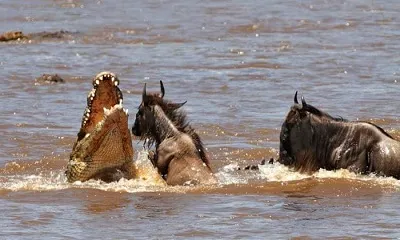
Open-terrain sightlines — the flat short-grass Ndutu plains provide clear visibility of predator-prey action from distances of 0.5–5 km simultaneously — no other major wildlife habitat offers this visibility range. Predator saturation — every major predator species is present and actively hunting in the same 50 km² zone simultaneously. Encounter continuity — predator-prey action occurs from 6:00 am to sunset without concentration at a single point. And subject quality — newborn calves, family predator groups, and the biological tension of mass prey density produce wildlife behaviour that simply does not occur at any other time of year in any other habitat.
Understanding the southern zone
Southern Serengeti and Ndutu — The Geography Explained
The southern Serengeti encompasses approximately 1,500 km² of the park's southern section, extending from the Ngorongoro Conservation Area (NCAA) boundary in the south to the long-grass zone south of Seronera in the north. The primary calving season zone is the Ndutu area — a designation that actually straddles the boundary between the southern Serengeti National Park and the NCAA. Understanding this geography helps explain why Ndutu is accessible and what the different sub-zones within the southern region deliver.
The Primary Calving Zone · January–March
Ndutu and Short-Grass Plains
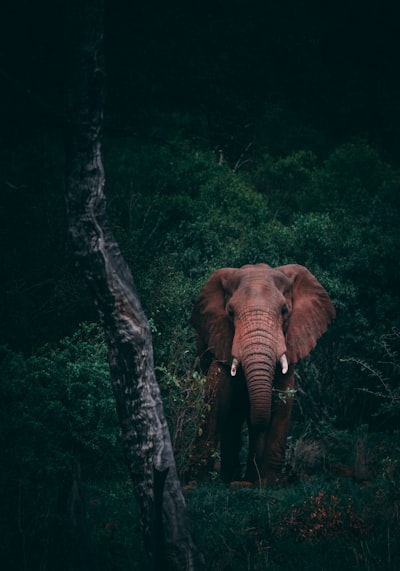
The core calving season zone — the short-grass volcanic plains surrounding Lake Ndutu and Lake Masek, straddling the Serengeti–NCAA boundary. The volcanic soils produce the most nutritious short-grass pasture in the ecosystem, attracting the full migration herd during the calving season. Open terrain with maximum visibility. Ndutu Safari Lodge sits on Lake Ndutu's shore inside the NCAA boundary, providing the optimal access position. Accessible without a Serengeti park permit from the NCAA gate (significant cost advantage for 1–2 day visits). Peak concentration: late January–February.

Predator Hunting Grounds · Year-round
Gol Kopjes and Short-Grass Corridor
The Gol Kopjes — scattered granite outcrops on the eastern short-grass plains — provide year-round lion denning habitat and cheetah resting points adjacent to the calving plains. During calving season, cheetah families use the kopjes as vantage points before descending to hunt calves in the open plain. The rocky outcrops also shelter leopard in a habitat unusually close to the open plains. The kopje complex extends the calving season's primary zone to the east, providing additional predator encounter opportunities beyond the Ndutu lake shore area.
Remote Wilderness · March–April transition
Maswa Game Reserve Boundary
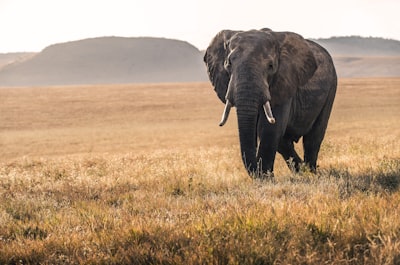
The western boundary of the southern Serengeti adjoins the Maswa Game Reserve — a remote and very rarely visited wilderness zone with significant resident lion, elephant, and wild dog populations. The Maswa boundary area is productive for calving season guests who want to escape the concentration of vehicles at the primary Ndutu zone. Sanctuary Kusini camp's private concession occupies the best Maswa boundary position, providing exclusive access to a zone completely inaccessible to standard park vehicles. Particularly excellent as the herds begin their northward return in March.
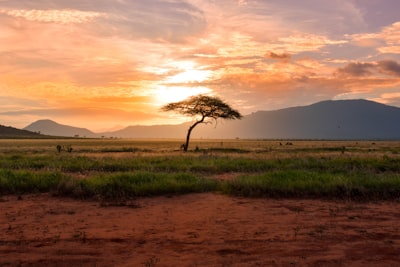
Year-round wildlife · Transition zone
Lake Ndutu and Lake Masek Shores
The two permanent shallow lakes within the Ndutu zone attract year-round wildlife — hippo (both lakes), flamingo (seasonal), pelican, and a wide range of shorebird species. During calving season, wildebeest drink at the lake shores in massive herds — creating extraordinary photography with the flat lake surface reflecting the morning sky behind the animals. Wildebeest birthing occurs at the lake's edge frequently — births are occasionally observable from vehicles positioned at the shoreline. The lakes are navigational anchors for the guide's daily positioning throughout calving season.
The science and spectacle of calving season
The Wildebeest Calving Season — The Complete Scientific and Wildlife Guide
The wildebeest calving season in the southern Serengeti is one of the most remarkable biological events in the natural world — and one of the most misunderstood by travellers planning their Tanzania safari. This section covers the complete science, the wildlife dynamics, and the visitor experience in more depth than any other publicly available guide.
The Biology of Synchronised Calving
The wildebeest calving season is not a random distribution of births across the year — it is a highly evolved biological synchronisation that concentrates 90% of all Serengeti wildebeest births within a 3–4 week window in January–February. This synchronisation is driven by a specific hormonal cascade triggered by the lunar cycle and day length — all female wildebeest in the ecosystem enter oestrus at approximately the same time following the preceding year's breeding season (May–June), producing the synchronised birth window approximately 250 days later.
The evolutionary logic is the predator satiation strategy: by flooding the ecosystem with 8,000 calves per day at peak, the wildebeest population overwhelms the predator community's consumption capacity. Even if every cheetah, lion, wild dog, and hyena in the ecosystem hunts at maximum efficiency every day of peak calving, the mathematics of 8,000 calves per day means that a large proportion of calves survive. A single cheetah can consume approximately one calf every 3–4 days; a lion pride of 8 perhaps 2–3 calves per day combined. The ecosystem's predator community cannot consume 8,000 calves in a day — the surplus survive to adulthood.
The calves themselves are extraordinary. A wildebeest calf is born after a 250-day gestation and must be functional — standing, nursing, and running — within hours. The developmental biology is accelerated compared to most ungulates: the neuromuscular systems for coordinated locomotion are essentially complete at birth. A calf can walk within 5 minutes of birth, run within 10 minutes, and sustain a sustained chase pace by 24 hours. This rapid motor development is the calf's primary defence against predation in the hours when it is most vulnerable.
The Daily Calving Season Rhythm — What Each Hour Delivers
The calving season short-grass plains have a specific daily rhythm of predator and prey activity that differs from the standard Serengeti game drive rhythm. Understanding this rhythm allows guides to structure the day for maximum encounter density.
Dawn to 9:30 am is the primary predator-hunting window — cheetah are active, lion prides are returning from overnight hunts or commencing morning hunts, and wild dog packs execute their relay hunts in the early morning cool. This is the most important game drive window of the calving season day. 9:30 am to noon: the heat rises on the open plains and predator activity slows — but wildebeest birthing peaks in the mid-morning warmth, making this the prime window for observing births, mother-calf bonding, and the hyena scavenging that follows new births. Noon to 3:30 pm: the day's heat is at its maximum; most predators rest in shade. Calves born this morning are running with their mothers by afternoon. 3:30–6:30 pm: the afternoon predator activity window — cheetah families resume hunting before sunset; lion prides begin coordinating. The final 90 minutes of the day in the calving season plains consistently produces major wildlife encounters as the predator community becomes active again in the cooling afternoon light.

The calving season's encounter frequency advantage is mathematical. 8,000 calves per day creates a prey density that attracts every predator in the ecosystem to the same 50–100 km² zone simultaneously. The calves' vulnerability (limited speed, limited awareness, limited maternal protection) reduces the energy cost of a hunt, increasing hunt frequency per predator. The open terrain removes the cover that predators in other habitats use for concealment, making every hunt visible from vehicle observation points. And the continuous availability of prey means predators do not need to range widely between hunts — they remain in the calving zone throughout the season. The combination of maximum predator density, maximum prey density, maximum predator activity frequency, and maximum terrain visibility produces encounter statistics that no other wildlife habitat or season can match.
The calving season predator community
Southern Serengeti Predators During Calving — Every Species Explained
The calving season concentrates the full predator community of the Serengeti ecosystem in the southern short-grass plains. Here is the expert species-by-species guide to what each major predator delivers during calving season and why.
Cheetah — Peak Calving Season
Highest probability encounter · Open terrainThe calving season is the finest cheetah-encounter window in the Serengeti year. Tanzania holds approximately 1,000 cheetah in the ecosystem — the world's highest concentration — and a significant proportion moves to the calving grounds during peak season. Cheetah families (mother with cubs aged 6–18 months) are the most frequently encountered and behaviourally rewarding — the mother systematically teaches her cubs to identify, stalk, and chase calves, producing extended hunting behaviour sequences visible across the open plains. The calves' limited speed allows the cubs to practice chase skills at partial pace before the mother intervenes. A cheetah cub learning to hunt on a wildebeest calf in the open Ndutu plain is one of the finest wildlife encounters available anywhere in Africa.
Best 6–10 am · Mother with cubs most rewarding · Open terrain full visibilityLion — Calving Season Coordinator
Very high probability · Dawn and dusk primeLion prides in the southern Serengeti have adapted their hunting strategies specifically to calving season — coordinating larger group hunts on the wildebeest herds than at any other season. With unlimited calves available, prides may conduct 2–3 successful hunts per day at peak calving, compared to 1–2 per week during the dry season. The calving season also produces the finest lion cub encounters of the year — cubs born in the preceding year (approximately 8–12 months old) begin participating in hunts during the calving season, producing the family hunting dynamics that are among the most photographed and most emotionally resonant encounters in wildlife photography. Dawn and dusk are prime lion encounter windows in the calving zone.
Dawn positioning at known pride resting sites · Cubs participating in huntsAfrican Wild Dog — Relay Hunter
Moderate-high probability · Early morningAfrican wild dog packs are among the Serengeti's most endangered and most thrilling predator encounters — and calving season delivers the highest wild dog encounter probability of the year in the southern zone. The calves' limited speed and endurance make them accessible to wild dog relay hunting (a technique that exhausts prey through sustained pursuit at rotating speeds) without the energy cost of pursuing adult wildebeest. A wild dog pack hunt on a wildebeest calf — 10–20 dogs in a coordinated pursuit relay lasting 3–6 minutes — is one of the fastest and most visually dramatic wildlife encounters in the calving plains. Guide network tracking of known pack territories significantly improves wild dog encounter probability in the southern zone.
Early morning · Guide network for pack territory tracking · Chase most visible in open terrainSpotted Hyena — Clan Concentrations
Virtually certain · All hoursSpotted hyena is the most abundant large predator in the calving zone — and the calving season produces the largest hyena clan concentrations of the year as individuals from across the Serengeti converge on the calving grounds. Hyena are active at all hours during calving season, unlike their typically crepuscular behaviour outside the season. They hunt calves directly (their own kills, not just scavenging), steal kills from cheetah with regularity, and are observed in clan groups of 15–30 individuals simultaneously during peak calving. The hyena's complex clan social dynamics — rank displays, vocalisations, and territorial behaviour among the converging clans — add an additional layer of behavioural complexity to the calving zone that is absent in their typical dispersed behaviour.
Active all hours during calving · Clan size increases with calf density · Steal cheetah kills routinelyBlack-Backed Jackal — Opportunist
Virtually certain · Mid-morning most activeThe black-backed jackal is the calving zone's most alert and most active small predator — pairs and family groups patrol the calving grounds continuously, targeting newly born calves in the first minutes of life when they are at their most vulnerable. Jackal pairs coordinate attacks on calves while the distressed mother attempts to defend — a remarkably sophisticated co-operative hunting behaviour for a small canid. The calving zone jackal density during peak season (20–30 pairs per km² in high-density areas) produces a constant background of jackal activity that frames the larger predator encounters. Mid-morning is the peak jackal hunting window when the night's accumulated calf births produce the highest density of vulnerable newborns.
Mid-morning birthing peak · Pair coordination on newborns · Background activity all day
Raptors — Aerial Predators
High probability · All hoursThe calving season short-grass plains produce the finest raptor diversity and encounter frequency of the Serengeti year. Martial eagle (the largest African eagle) hunts calves directly from aerial stoops — an extremely rare behaviour that the calving zone produces reliably during peak season. Tawny eagle, bateleur, and white-backed vulture congregate in the hundreds above active predator kills, providing aerial indicators of ground-level predator activity that the guide uses as real-time intelligence. Lappet-faced vulture dominates kills on arrival and is specifically associated with large calving-season kills. The open terrain allows tracking of aerial raptor activity across the entire visible horizon, providing a predictive tool for locating active kills at 3–5 km range.
Vulture spirals indicate active kills at 3–5km · Martial eagle stoops directly on calvesPlan your calving season safari
Southern Serengeti Month-by-Month — December 2026 to March 2027
The southern Serengeti calving season window runs from December through March — but the specific character of the experience changes significantly month by month. Here is the complete planning guide.
December — Herds Moving South
Herds assembling · Pre-calving behaviour begins
The migration column begins its southward return from the central and northern Serengeti in November–December. The leading herds reach the short-grass southern plains in December, with herd density increasing through the month as the full migration mass moves south. Pre-calving behaviour is observable — females visibly pregnant, herd social dynamics intensifying. Predator pre-positioning begins as word spreads through the predator community about the arriving herds. December is an excellent calving zone month with lower visitor volume than January–February and good wildlife at reasonable rates.
Lower visitor numbers · Accommodation still available · Good wildlifeJanuary — Calving Season Opens
CALVING BEGINS — Early calves · Predator intensity building
The calving season officially opens in January as the first wave of wildebeest births begins — initially a few hundred per day, rapidly increasing toward the 8,000/day peak. The calving grounds fill with newborns from the second week of January. The predator community is at full concentration by mid-January. Early calving season is excellent and is increasingly popular with guests who prefer slightly lower visitor volumes than peak February. Accommodation at Ndutu Safari Lodge and Sanctuary Kusini fills from this point — book 9–12 months ahead for January 2027.
Book 9–12 months ahead for January · Early calving excellentFebruary — Peak Calving
PEAK — 8,000 calves/day · Maximum predator activity
The finest wildlife month in the southern Serengeti. 8,000 wildebeest calves born per day at peak. Maximum predator density, maximum hunting activity, maximum encounter frequency across the open plains. The concentration of cheetah families, lion prides, wild dog packs, spotted hyena clans, and jackal pairs in the same 50 km² zone produces a daily encounter total that cannot be replicated at any other time or place in Africa. February is the most sought-after calving season month — accommodation is fully booked at all properties 9–12 months ahead. Book as early as possible.
Book 12+ months ahead · February fully booked early · Most extraordinary wildlifeMarch — Late Calving + Moving North
Late calving · Herds beginning northward movement
March is the calving season's excellent but less celebrated finale. The last wave of calves are born in early March; the surviving calves from January–February are now mobile and running with the herd. The long rains begin in March, triggering the herds' northward march. The Ndutu plains begin to empty as the herds stream north through the central Serengeti. Early March remains very good for calving zone wildlife; late March sees the herds dispersing. A genuinely excellent and significantly cheaper calving season option than January–February — lower visitor volume, some accommodation availability at shorter notice, and good to excellent wildlife throughout.
Better availability · Lower rates than peak · Very good wildlife early MarchCalving season safari packages 2026–2027
Southern Serengeti Safari Packages — 2026–2027 Collection
Every safari package with southern Serengeti calving season positioning. All private packages include dedicated 4x4 vehicle, licensed expert guide, all park fees, accommodation, and meals.
3-Day Circuit — Calving Entry
Tarangire, Ngorongoro Crater, and one full southern Serengeti calving zone day. One day in the calving plains with guide's morning network intelligence applied for predator positioning.
1 calving zone day
4-Day Circuit — Calving Good
Two consecutive calving zone days. Day 1 maps predator family territories and active hunting zones. Day 2 applies the complete calving zone intelligence picture for precision predator positioning.
2 calving zone days
5-Day Circuit — Calving Recommended
The most popular calving season circuit. Three consecutive calving zone days — Day 3 deep predator family access from two prior days of territory intelligence. The recommended minimum for a complete calving season experience.
3 calving zone days6-Day Circuit — Calving Excellent
Four consecutive calving zone days. Four days of accumulated predator family intelligence allows the guide to track specific individuals across multiple days — individual cheetah cubs observed learning, specific lion prides tracked by hunt, wild dog packs by territory.
4 calving zone days
7-Day Circuit — Calving Gold Standard
The gold standard calving season safari — five consecutive calving zone days. Individual predator families tracked across 5 days. Full calving cycle observable (birth, bonding, first run, predator encounter, survival). Most complete calving season immersion available in a circuit format.
5 calving zone days10-Day Circuit — Calving Ultimate
The ultimate calving season safari — eight consecutive southern Serengeti days. A complete calf's developmental arc from birth through first independent movement. Individual cheetah cubs observed across their entire current learning cycle.
8 calving zone days
The 5-day group joining flagship safari ($920 per person) includes three consecutive southern Serengeti days with calving zone positioning and delivers a complete calving season experience at the lowest all-inclusive price point available through a legitimate licensed operator. The 6-day group joining maximum ($1,070 per person) includes three Serengeti days in the calving zone — the maximum group joining format. All group joining options use the same licensed expert guides and calving zone intelligence as the private options. Contact us for current calving season group joining availability for January–February 2027.
Where to stay for calving season 2026–2027
Best Southern Serengeti Camps — Positioning, Tier, and Calving Advantage
Accommodation positioning in the southern Serengeti is as critical as in the northern zone — staying at Seronera instead of Ndutu adds 90–120 minutes of daily driving to reach the calving plains. All camps below are positioned within the calving zone or within 30 minutes of the primary predator activity areas.

Mid-range · Historic calving zone lodge
Ndutu Safari Lodge
Lake Ndutu Shore · NCAA Boundary Zone
The original and most historic accommodation at the calving grounds — Ndutu Safari Lodge has been the premier calving season base for wildlife filmmakers, photographers, and naturalists for over 40 years. The lodge sits on Lake Ndutu's northern shore inside the NCAA boundary zone, surrounded by the calving plains on three sides. The guide teams at Ndutu have the longest accumulated calving zone intelligence of any camp in the southern Serengeti — individual cheetah families tracked across multiple generations, lion pride territories documented across decades. Not a luxury property but a genuinely excellent mid-range lodge with an extraordinary history and guide quality that exceed most luxury properties in the zone. Fills completely 9–12 months before peak February dates.
From $450–$800 / person / night all-inclusive
Ultra-luxury · Private concession
Sanctuary Kusini
Southern Serengeti · Private Concession · Kopji Plains
The finest luxury camp in the southern Serengeti — 12 tented suites in a private concession on the kopji plains, completely exclusive to Sanctuary guests (no other safari vehicles, ever). The concession positions within the calving zone's kopje habitat where cheetah families use the granite outcrops as vantage points before descending to hunt. Maximum 24 guests in the entire concession. Sanctuary Kusini's guide team has unequalled kopje-zone calving season intelligence. The complete exclusivity of the concession means no vehicle queuing at predator sightings — your guide can stay with a cheetah hunt for 3 hours without interruption from competing vehicles. Books 12–18 months ahead for January–February peak dates.
From $1,200–$2,400 / person / night all-inclusive
Luxury mobile · Migration-following
Asilia Olakira Camp (Calving Position)
Southern Serengeti / Ndutu · January–March position
Asilia's migration-following mobile camp relocates to the southern Serengeti calving zone in January–March, positioning in the heart of the calving plains rather than at a fixed camp location that becomes increasingly peripheral as the calving concentration moves. Eight luxury tented suites. The camp's physical proximity to the active calving concentration — guests can hear hyena and jackal activity at night from their tents — is the defining advantage of the mobile format. All-inclusive. The positioning flexibility means the camp can be 2 km from the highest-density calving area in any given week rather than 15 km at a fixed location. Fills early for January–February 2027.
From $1,200–$2,400 / person / night all-inclusive

Upmarket tented camp · Value calving
Lemala Ndutu
Ndutu Area · Short-Grass Plains
Lemala's Ndutu property is an excellent upmarket tented camp positioned on the calving plains at a price point significantly below Sanctuary Kusini or Olakira — making it the premier value-luxury option for calving season guests. Ten comfortable en-suite tented suites with private veranda views over the calving plains. The guide team has strong calving zone intelligence and produces consistently excellent predator encounters. Available at shorter notice than the most in-demand properties and at a more accessible price point — a compelling option for guests who want northern-zone positioning quality without the ultra-luxury price tag. Also good for combining with Ndutu Safari Lodge stays when one property is unavailable.
From $700–$1,400 / person / night all-inclusive
The great Serengeti debate
Southern Serengeti (Calving) vs Northern Serengeti (Crossing) — The Complete Comparison
The most frequently asked question by guests planning a Serengeti migration safari: should I go to the northern Serengeti for the Mara crossing or the southern Serengeti for calving season? Here is the complete honest comparison.
| Factor | Southern Serengeti (Calving · Jan–Feb) | Northern Serengeti (Crossing · Jul–Oct) |
|---|---|---|
| Primary wildlife event | 8,000 calves/day · Predator hunting | Mara River wildebeest crossing |
| Daily encounter reliability | Consistently very high | High (crossing probability varies) |
| Predator encounter frequency | Maximum in Serengeti year | High · Crossing dependent |
| Photography terrain | Open plains · Maximum visibility | River zone · Dense vegetation possible |
| Photography light | Unobstructed dawn across open plains | Good · River atmospheric light |
| Single peak event | Calving — continuous activity, no single event | Crossing — most dramatic single event in nature |
| Days needed | 3+ days for excellent experience | 4+ days for meaningful crossing probability |
| Accommodation rates | Lower than crossing season | Highest of the Serengeti year |
| Advance booking required | 9–12 months for peak February | 12–18 months for peak August |
| Expert guide preference | Majority prefer calving for daily consistency | Crossing preferred for single-event drama |
The Mara River crossing is the most dramatic single wildlife event available anywhere in the world — nothing matches the visual spectacle of 5,000 wildebeest entering the water simultaneously. But the crossing may not occur on any specific day, requires 4+ days for meaningful probability, and a crossing-free day at the northern Mara — however excellent the surrounding wildlife — can feel disappointing if the crossing was the primary goal. The calving season in the southern Serengeti delivers 3–5 major predator-prey encounters on an average game drive day, guaranteed by the mathematical reality of 8,000 calves per day and the predator concentration they attract. There are no disappointing calving season days in the southern Serengeti in January–February. Every guide who has worked both seasons extensively describes the same experience: the crossing is more dramatic in the single moment; calving season is more consistently extraordinary across every hour of every day. For a safari that must deliver, the calving season is the more reliable choice.
Photography masterclass — calving season Ndutu
Southern Serengeti Photography Guide — Calving Season Masterclass
The southern Serengeti calving season is the world's finest wildlife photography environment — open terrain, extraordinary light, extraordinary subjects, and continuous action from dawn to dusk. Here are the expert photography strategies.
The short-grass Ndutu plains are flat, open, and treeless — no obstructions between your camera and any subject within 2 km in any direction. This flat-terrain advantage allows: positioning into the light for any encounter (unlike forested or kopje terrain where the vehicle angle is fixed by tracks); low-angle vehicle approach without vegetation blocking the subject; and real-time repositioning around a moving hunt without losing sight of the subject. Use this terrain advantage consciously — always position the vehicle so the rising or setting sun illuminates the subject from the front or side. The flat Ndutu terrain gives you the freedom to choose your angle; use it.
Cheetah with cubs in the calving zone are the most photographed calving season subject and produce the most emotionally resonant images. The key technique: once the guide identifies the cheetah family, maintain position 40–80 metres away and do not advance unless the family moves. Cheetah tolerate vehicle presence from established safe distances but will abort hunts if vehicles crowd. When the mother initiates a stalk (visible as a slow, lowered-head approach), drop all movement in the vehicle and switch to continuous shooting mode. The stalk-to-chase sequence lasts 30–120 seconds and happens too fast for single-shot selection. Shoot everything; edit afterward.
Wildebeest births are observable in the calving zone on an average day in January–February — the density of pregnant females and the continuous birthing means visible births occur across the plains throughout the mid-morning window (9:00–11:30 am peak). Once the guide identifies an active birth, approach slowly and position 30–50 metres away. The mother is acutely aware and will abandon the birth or move with a partially born calf if vehicles approach too closely. Telephoto (300–400mm) at this distance. The sequence — emergence, membrane removal by the mother, the calf's first attempt to stand, the first nursing — typically runs 20–40 minutes and produces a complete developmental story in a single morning session.
The short-grass Ndutu plains are at their most beautiful in the first 90 minutes after sunrise and the last 90 minutes before sunset. The low, warm light at these times illuminates subjects from the optimal angle across the flat terrain, producing images with a warmth and dimensionality completely absent at midday. Schedule the earliest possible gate entry (6:00 am) for every day of the calving season — the golden hour wildlife action (cheetah hunts, lion kills from overnight hunts, jackal pair coordination) combined with the optimum light make this the finest photography window of the calving season day. Similarly, ensure the vehicle is at an active sighting in the 4:30–6:30 pm window for the afternoon golden hour.
The calving season's open terrain means encounter distances vary dramatically — from 5 metres (births in the road) to 500 metres (distant cheetah approach). The ideal calving season camera system: a 100–400mm or 150–600mm zoom lens that covers both intimate portrait distances and extended chase distances without a lens change. A second body with a 70–200mm for environmental shots placing predators in the calving-ground landscape context. Extra memory (128GB minimum — long calving season sequences in burst mode fill cards rapidly). A dust cloth — the calving season plains are dusty by midday. And crucially: extra batteries. Six consecutive hours on the calving plains in burst mode drains a standard camera battery before noon.
Beyond the predator-prey action: the wildebeest herd's visual texture — thousands of animals moving as a living, breathing mass — is one of the most rewarding documentary-photography subjects in Africa. Individual calf portraits (eyes, ears, umbilical cord still visible in first-day calves) are as emotionally affecting as any predator image. The morning light on Lake Ndutu with the wildebeest drinking at the reflective shoreline produces landscape-wildlife hybrid images impossible at any other time of year. And the overhead vulture circles that indicate active kills at 2–5 km range — photographed with a 200mm at sunset — are one of the most atmospheric calving season compositional elements available.
Planning intelligence for 2026–2027
Southern Serengeti Calving Season — Expert Planning Tips
Ndutu Safari Lodge, Sanctuary Kusini, Lemala Ndutu, and Olakira (calving position) are all within 15–30 minutes of the primary calving activity. Seronera-based guests face a 90–120 minute drive each way to Ndutu — losing 3 hours of prime calving zone time daily. The accommodation premium for calving zone positioning is the most valuable upgrade available for this season.
Ndutu Safari Lodge and Sanctuary Kusini are the two most sought-after calving season properties — both typically fully booked for January–February by April of the preceding year. If these are your preferred properties, initiate the booking conversation as early as possible. Lemala Ndutu and Olakira calving position offer availability at slightly shorter notice but also fill significantly ahead of the season.
The peak calving window is approximately January 25 to February 20. Guests who can target this specific window experience the highest calf density, highest predator concentration, and highest encounter frequency of the entire season. Early February is statistically the finest single week of the calving season in most years. If this window is unavailable, late January and late February are both excellent alternatives.
One calving zone day in January–February is genuinely extraordinary — but 3 days allows the guide to build the predator intelligence picture that produces Day 3's finest encounters. With 3+ days, the guide knows where the specific cheetah families are resting each morning, which lion pride is at which kill, and which wild dog pack is currently in the zone. This accumulated intelligence consistently produces the finest encounters on Days 3–5.
The calving zone requires specific individual animal knowledge — the guide who knows that "the cheetah family with three cubs uses the southern kopje as a morning vantage point" delivers categorically different encounters than a guide positioning generically in the calving plains. Our calving season guides have worked the Ndutu zone for 10–20 years and know individual cheetah families by name, individual lion prides by territory, and specific wild dog pack home ranges. Request this specific expertise when booking.
The southern Serengeti calving zone and the Ngorongoro Crater are only 90 minutes apart. A 5-day circuit combining Ndutu calving zone (3 days) and Ngorongoro Crater (1 full day) and Tarangire (1 day) covers the three finest southern-zone wildlife destinations in Tanzania in an efficient, logistically sensible circuit. The Crater's black rhino, crater lions, and 25,000-mammal density combined with the calving zone's predator action produces a 5-day experience with more wildlife diversity than any other comparable itinerary in Africa.
Calving season guest experiences
Southern Serengeti Reviews — Real Calving Season Encounters

"I had been to Africa seven times, all crossing season. I went to Ndutu in February on the recommendation of a wildlife photographer friend. On Day 1 alone: a cheetah family hunt at 7:10 am (70 metres, the cubs participating), a wildebeest birth that we watched for 35 minutes (the calf was walking within 20 minutes of birth), and a lion pride calf hunt visible from 400 metres across the open plains. Three encounters before noon. Three extraordinary, complete wildlife stories. Nothing I had seen in seven previous Africa trips prepared me for the calving season's consistency. I will never do crossing season again."
5-day circuit · 3 Ndutu days · February · Sanctuary Kusini
"I'm a wildlife photographer — I've done Mara crossings four times. Ndutu calving season in January was the first time I returned with more images than I knew how to edit. On Day 3, the guide drove directly to a kopje where he had tracked a cheetah mother and three 9-month-old cubs the previous evening. They were there. The mother flushed a yearling wildebeest calf and let the cubs attempt the pursuit. All three cubs attempted the chase — none connected. Then the mother demonstrated. That sequence ran 47 minutes. My sequence has 12 images I would place in any publication. The guide's three days of accumulated knowledge made that encounter possible. This is not about luck. This is about intelligence."
7-day circuit · 5 Ndutu days · January · Wildlife photographer
"First ever safari. I had no idea what to expect. The guide took us to a flat plain at 6:15 am on Day 1. Within 20 minutes we found a wild dog pack of 14 dogs hunting. They ran a wildebeest calf for 800 metres and caught it in 4 minutes. I could see the entire pursuit from start to finish — the open terrain made it like watching on a stage. Before we left the plain that morning, we had also seen a jackal pair take a newborn calf, and a martial eagle strike from the sky at 11:30 am. It was my first safari. I have booked my second for February 2027 at the same camp. The calving season is the answer to the question 'what is the best African safari?'"
5-day circuit · 3 Ndutu days · February · First safariEvery southern Serengeti question answered
Southern Serengeti Calving Season FAQ — Complete Expert Guide
-
The wildebeest calving season in the southern Serengeti runs from approximately late January through early March, with peak calving concentrated in the period January 25 to February 20. At peak, approximately 8,000 wildebeest calves are born per day in the Ndutu and short-grass plains zone. Pre-calving herd concentration begins in December as the migration herds return south from the central Serengeti — December is already an excellent calving zone month with significantly lower visitor volumes than January–February. The earliest calves appear in the second week of January; the last calving activity diminishes by early March as the herds begin their northward march. For the highest calving density and predator activity concentration, travel in the first three weeks of February 2026 or 2027.
-
A minimum of 2 consecutive calving zone days is recommended for a meaningful experience — one day is excellent, but Day 2 applies Day 1's accumulated predator territory intelligence for improved encounter positioning. Three calving zone days (5-day Tanzania circuit) is the recommended minimum for a complete calving season experience, with Day 3 delivering the finest encounters as the guide's full 2-day predator family map reaches precision quality. Five or more calving zone days (7-day circuit or longer) allows individual predator families to be tracked across their current activity cycle — individual cheetah cubs observed across multiple hunting attempts, specific lion prides tracked from overnight kill to morning rest to evening hunt. Every additional calving zone day consistently improves encounter quality. If forced to choose a single recommendation: 3 consecutive calving zone days, paired with one Ngorongoro Crater day, delivers the finest possible 4-park southern Tanzania wildlife circuit.
-
Both are genuinely extraordinary but deliver fundamentally different wildlife experiences. The calving season (January–February, southern Serengeti) delivers the most consistently rewarding daily wildlife encounters of the Serengeti year — 3–5 major predator-prey encounters per game drive day are statistically normal, not exceptional. Accommodation costs are lower than crossing season, and fewer consecutive days are needed for a complete experience (3 days vs 4+ for the crossing). The crossing season (July–October, northern Serengeti) delivers the world's most dramatic single wildlife event — the Mara River crossing — but crossing probability requires 4+ consecutive days and is not guaranteed on any specific day. Expert safari guides consistently describe calving season as their personally preferred season for daily encounter quality. First-time safari guests who prioritise consistency and photography should consider the calving season. Guests who specifically want the Mara River crossing as their primary goal should choose July–October.
-
Ndutu is a specific area within the broader southern Serengeti ecosystem — the short-grass plains and lake area straddling the boundary between Serengeti National Park and the Ngorongoro Conservation Area (NCAA). Ndutu Safari Lodge and the lake area are technically in the NCAA boundary zone rather than inside Serengeti National Park proper. This boundary position has a practical implication: accessing the Ndutu area from the NCAA gate requires an NCAA fee rather than a Serengeti National Park fee — which can be a cost advantage for 1–2 day calving season visits. However, the finest calving action frequently occurs on both sides of the boundary — guides cross between the Serengeti and NCAA zones throughout the day based on current herd and predator positions. The southern Serengeti is the broader zone name encompassing Ndutu, the short-grass plains, the Gol Kopjes, and the Maswa boundary area. When we say "southern Serengeti calving season safari," this includes Ndutu and all surrounding calving zone areas.
-
Yes — and the cheetah family encounter is widely considered the calving season's signature wildlife experience. The Serengeti's cheetah population includes multiple family groups with cubs of various ages in the southern Serengeti throughout the calving season. Cheetah cubs aged 6–18 months are particularly sought-after because they are at the learning stage — the mother uses the calving season's abundance of accessible prey to teach the cubs to identify, stalk, and pursue calves. A morning spent with a cheetah family of four or five (mother plus three or four cubs) as they hunt calves together — each cub attempting its own approach while the mother coordinates — is one of the finest wildlife experiences available in Africa. The guide's calving zone intelligence on known cheetah family territories significantly improves encounter probability. On a 3+ day calving zone visit, cheetah family encounters are expected rather than exceptional.
-
Southern Serengeti calving season safari costs in 2026 range from $920 per person for a 5-day group joining circuit (three Serengeti days in the calving zone) to $4,050 per person for a 10-day private circuit with eight calving zone days. The most popular calving season package is the 5-day private circuit at $1,850 per person (2 guests) — three consecutive calving zone days with the Ngorongoro Crater and Tarangire included. Accommodation at calving zone camps: Ndutu Safari Lodge from $450–$800/person/night all-inclusive; Lemala Ndutu from $700–$1,400/person/night; Sanctuary Kusini from $1,200–$2,400/person/night. All prices include the licensed expert guide, vehicle, accommodation, and meals. Calving season accommodation rates are 20–40% lower than the crossing season peak (July–September), making January–February 2026 one of the best value windows in the Tanzania safari calendar despite the extraordinary wildlife quality.
-
The southern Serengeti calving season is one of the finest family safari destinations in Tanzania — with one important consideration. The calving season involves genuine predator-prey hunting encounters (cheetah hunting calves, lions killing calves, jackal pairs attacking newborns) that are presented in nature documentaries with voiceover framing, but are experienced live and unmediated in the field. For children aged 12 and above, this authentic wildlife experience is typically age-appropriate and deeply educational. For children aged 8–12, the experience depends significantly on the child's prior exposure to wildlife documentaries and their emotional resilience — most children in this age group respond with fascination rather than distress when encounters are contextualised by the guide. For children under 8, we recommend discussing the calving season wildlife experience with the child's parents before booking and selecting an itinerary that balances calving zone time with more straightforward wildlife viewing (giraffe, elephant at Tarangire, hippo). Contact us via WhatsApp for family-specific advice on calving season itinerary design.