Why Tanzania is the world's finest family safari destination
Tanzania Family Safari — Why It Changes Children
A Tanzania family safari is not a holiday with a wildlife element — it is a transformative experience for children of every age. The child who sits in an open safari vehicle as a herd of 300 elephants crosses the road 30 metres ahead, who watches a lion pride nursing cubs at sunrise, who sees a giraffe at eye level from the roof hatch — that child does not come home to the same world they left. Tanzania's wildlife is not mediated by glass, by distance, by fence, or by television screen. It is real, it is immediate, and it is happening five metres from where your child is sitting. This is an encounter with the natural world that reshapes the way children understand life, scale, and their place in the biological community of Earth.
Tanzania is also — practically — one of the safest and most accessible family safari destinations in Africa. The country is politically stable, the tourist infrastructure is well-developed, the safari vehicle circuit is smooth-functioning, and Tanzania's family welcome culture extends from the guides (who consistently cite children as their favourite guests for the quality of engagement) to the camp staff (who almost invariably adopt the role of honorary uncles and aunts from the first meal). The food at quality safari camps is adaptable to children's preferences. The accommodation at family-suitable camps includes interconnected room options, private vehicle scheduling, and children's activities beyond the game drive. Medical facilities in Arusha and Moshi handle any health emergency competently. Tanzania rewards families who choose it generously.

Every other family travel category — theme parks, beach resorts, adventure camps, cultural tours — delivers an experience designed and controlled by humans for human purposes. A Tanzania safari delivers something entirely different: an encounter with a world that has no human purpose at all. The elephants walking past the vehicle are not performing, not managed, not aware of being observed. They are simply doing what elephants do — and what elephants have been doing on this specific piece of African savanna for millions of years. Children who understand this — and a good safari guide makes sure they understand it — encounter something that resets their entire relationship with the natural world. This is the experience that no theme park, aquarium, or wildlife documentary can approach. It is why safari-experienced children consistently describe it as the most significant travel experience of their childhood.
Planning by your children's ages
Tanzania Family Safari by Age — The Complete Guide for Every Stage
The single most important planning factor for a family safari is the ages of the children. Different ages have profoundly different needs, attention spans, physical endurance, and engagement capacity. Here is the expert age-by-age planning guide for Tanzania family safaris in 2026 and 2027.
Under 5
The Toddler Safari — Possible with the Right Approach
Infants and toddlers under 5 can safari — with private vehicle scheduling, short morning drives (2–3 hours maximum), flexible timing around naps, and camps with appropriate facilities. The child will not remember the safari consciously but the parent report is invariably that toddlers respond to elephants, giraffe, and zebra with completely authentic wonder.
Private vehicle essential — no sharing with other guests
Short drives only — 2–3 hrs maximum
Camp must have medical kit and emergency evac plan
Tarangire or Ngorongoro — shorter, guaranteed encounters
Avoid Serengeti for under-3 (long drives)
5–8
The Discovery Age — Maximum Enthusiasm, Short Attention
Ages 5–8 are enthusiastic safari companions whose attention spans require active guide engagement. A guide who tells stories, asks questions, and involves children in animal tracking, identification, and behaviour interpretation transforms a 4-hour drive into a continuous adventure for this age group. Morning game drives (4–5 hours) with rest time at camp are appropriate.
Request a child-engaging guide — specify ages when booking
Junior ranger activity book transforms game drives
Best parks: Tarangire (elephants), Ngorongoro (compact, varied)
Swimming pool at camp important for afternoon recovery
Binoculars for each child — essential engagement tool
9–13
The Ideal Safari Age — Curious, Engaged, Capable
Ages 9–13 are the prime safari age by near-universal guide consensus. Old enough to engage with the wildlife's ecological complexity, young enough to experience genuine awe, physically capable of full game drive days, and socially engaged with the guide's storytelling and questions. The 9–13 year-old is the guide's best audience and comes home transformed.
Full day game drives (6–7 hrs) completely appropriate
All parks suitable — Serengeti now appropriate
Photography on the family camera or own device
Predator-prey encounters fully age-appropriate
Junior naturalist guide book and field binoculars
14+
Teenagers — Transform Safari into a Life Perspective
Teenagers often arrive sceptical about safari (it sounds like something parents choose) and leave as the most converted family member. The combination of genuine wilderness immersion, disconnection from social media, guide conversation at the adult level, and wildlife encounters on the Serengeti or Ngorongoro consistently produces the most profound response in the 14+ age group.
Treat as adult safari participant — guide engages at adult level
Photography focus transforms engagement dramatically
Walking safari option (Arusha National Park) for active teens
Serengeti + Ngorongoro fully appropriate for 14+
Kilimanjaro day hike (not summit) appeals to adventurous teens
Not all parks are equal for families
Best Tanzania National Parks for Families — Ranked and Explained
Tanzania has seven major northern circuit parks and conservation areas. Not all are equally suitable for families with children — the driving distances, the wildlife encounter reliability, and the visual accessibility of the wildlife vary enormously. Here is the expert family ranking for 2026 and 2027.
★ Ranked #1 for Families
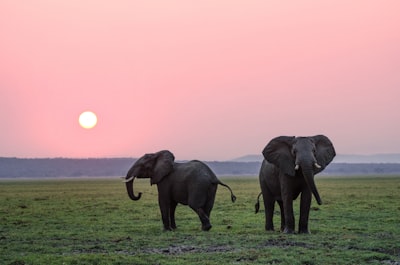
Tarangire National Park
Why kids love it: Giant elephants + ancient baobabsTarangire is Tanzania's finest family safari park. The elephant herds — Tanzania's largest at 300+ animals in the dry season — are guaranteed encounters that produce complete awe at every age. The scale of Tarangire's elephants at close range is something children understand viscerally and immediately. The ancient baobabs (up to 3,000 years old, some 15 metres in circumference) are the most visually dramatic trees in Africa — children consistently identify them as highlights of the entire safari. The park also delivers lion, cheetah, zebra, giraffe, eland, lesser kudu (found nowhere else on the circuit), and ground hornbill. Tarangire requires a 2-hour drive from Arusha but rewards families at every age with its density of easily-seen, close-range wildlife.
Best for all ages · Ideal for under-8 (guaranteed elephants) · Essential for all families

★ Ranked #2 for Families
Ngorongoro Crater
Why kids love it: Everything visible, all the timeThe Ngorongoro Crater's self-contained, high-density ecosystem is the most reliably rewarding for young children — because wildlife is continuously visible across the open caldera floor without the long search drives that can challenge shorter attention spans. 25,000 large mammals in 260 km² means every kilometre driven produces multiple wildlife encounters. The black rhino (30 individuals, Tanzania's densest population) is a specific child delight — most children have learned that rhino are nearly extinct, making the Ngorongoro encounter especially significant. The crater lion prides are the most photographed in Africa. For families with children under 10 who want guaranteed wildlife without uncertainty, Ngorongoro is the single best choice.
Best for all ages · Outstanding for under-10 · Rhino encounter — powerful for all ages
Ranked #3 for Families
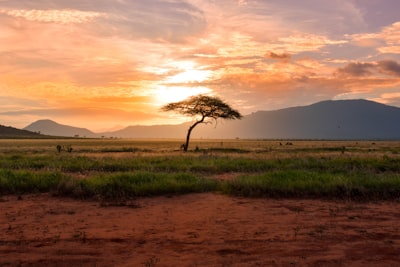
Lake Manyara National Park
Why kids love it: Lions in trees + monkeys + flamingosLake Manyara's tree-climbing lions — a behaviour unique to this population — are an immediate child favourite because the idea of a lion in a tree is intrinsically surprising and memorable. Colobus monkey troops frequently visible directly overhead in the fig forest are similarly exciting. The flamingo flocks (up to 5,000 individuals) on the alkaline lake and the hippo pools at the forest edge add further variety. Manyara is compact (50 km length) and delivers remarkable diversity in a short game drive — ideal for shorter attention spans and for half-day additions to the circuit without a full day commitment.
Best for 5–14 · Compact drive distances · Great for 3-park circuits
Ranked #4 for Families
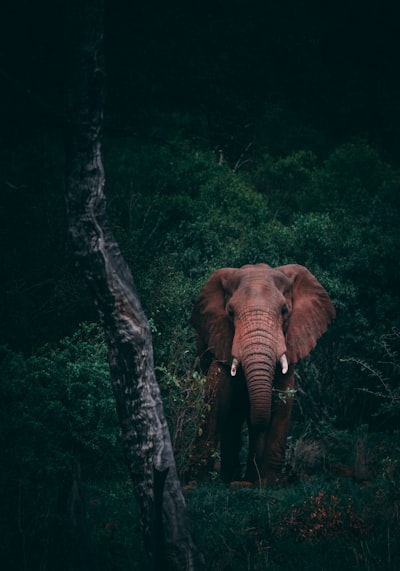
Serengeti National Park
Why kids love it: The scale of everythingThe Serengeti is Tanzania's most famous park and genuinely extraordinary for families with children 9 and older who can appreciate the scale and ecological significance of the ecosystem. The Great Migration (year-round, different phases) is particularly impactful for older children who understand the science of why 1.5 million animals are moving in a continuous circle. The Serengeti's lion population (the world's densest), cheetah, wild dog, and leopard all deliver at the highest level. However, the long driving distances (90 minutes from Seronera to the northern zone) and the undifferentiated grassland can challenge younger children. Recommended for families with children 9+ as part of a complete circuit.
Best for 9+ · Long drives — not ideal under 8 · Essential for older children

Arusha National Park (25 km from Arusha centre) offers a walking safari — the only walking safari available in northern Tanzania's circuit parks — that is transformative for children aged 9+. Walking to giraffe on foot at 20–30 metres, with the armed ranger and guide providing context, produces the most intense child engagement of any activity on the northern circuit. The park's colobus monkeys, flamingos, and hippo pools require only a half-day and are suitable for children of all ages. For families arriving the day before a circuit safari, a morning at Arusha National Park is the ideal warm-up. For post-safari families with a free morning before flying, the park's proximity to Kilimanjaro Airport makes it the obvious half-day use of the final Arusha morning.
Family safari packages 2026–2027
Tanzania Family Safari Packages — From 4 Days to 10 Days
All family safari packages use private vehicles — essential for families, as no other family's schedule, pace, or interests need to be accommodated. The private vehicle allows departure times, drive durations, and stop frequencies to be customised to your children's needs on each specific day. Child discounts available for ages 5–15 — contact us for current child pricing.
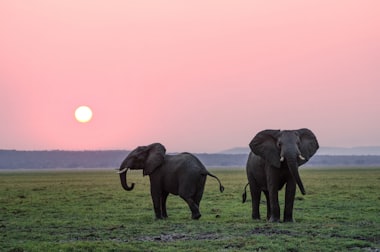
4-Day Family Safari
Tanzania's perfect family starter circuit — Tarangire (elephants and baobabs), Lake Manyara (tree lions, colobus, flamingo), and Ngorongoro Crater (black rhino, crater lions). Three of Tanzania's most reliably rewarding parks in four days. Ideal for younger children and families new to African safari.
Ages 5+ recommended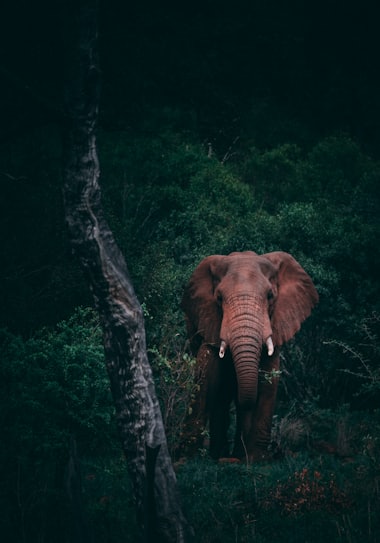
5-Day Family Safari — The Complete Circuit
The most popular family safari circuit — all four parks including the Serengeti. Three Serengeti days (for age 9+) or 2 Serengeti days with a calmer pace for mixed-age families. The complete Tanzania wildlife education in 5 days.
Ages 8+ ideal · 5+ with shorter drives6-Day Family Safari
More Serengeti days for families who want to fully explore the ecosystem without rushing. Four Serengeti days deliver the intelligence accumulation that produces the finest predator and migration encounters. Recommended for families with children 9+.
Ages 9+ ideal7-Day Family Safari
The gold standard family safari — enough time to see every major Tanzania wildlife highlight at a pace that suits families. Five Serengeti days for older children; flexible scheduling for mixed-age families. Most popular school holiday format.
All ages with tailored drive lengths10-Day Family Safari and Zanzibar
The ultimate family Tanzania itinerary — 7-day safari circuit followed by 3 nights in Zanzibar. Safari immersion followed by Indian Ocean beach recovery. The combination delivers the complete Tanzania experience that the family will talk about for decades.
All ages · Beach perfect for younger childrenBudget Family Safari — Group Joining
Group joining safaris (shared vehicle, max 7 passengers) are the most affordable option and work well for families of 4–6 who can fill a significant portion of the vehicle themselves. Check minimum age requirements — most group joining options welcome children 8+.
Ages 8+ for group joiningMost Tanzania national parks charge reduced or waived park fees for children under a specific age: Serengeti, Tarangire, and Lake Manyara waive fees for children under 5 and charge 50% adult rate for children 5–15 (2026 rates). Ngorongoro applies adult NCAA fees from age 5. Our private vehicle safaris quote per vehicle rather than strictly per person — meaning a family of 4 (2 adults + 2 children) in a 7-seat private vehicle is significantly more cost-effective per person than two separate adult guests. Contact us with your specific family composition (adult count and children's ages) for an accurate family pricing quote — family safaris are frequently cheaper per head than the headline per-person prices suggest.
Where to stay with children in Tanzania
Family-Friendly Safari Accommodation — Best Camps by Zone 2026
Not all safari camps welcome children equally — some luxury properties have minimum age requirements (typically 8 or 12), some have limited interconnecting room options, and some have no activities for children beyond the game drive. Here are the best family-specific safari accommodation options across Tanzania's northern circuit.

Mid-range · Tarangire
Tarangire Treetops / Oliver's Camp
Tarangire National Park
Family rooms availableTarangire Treetops offers extraordinary treehouse-style family accommodation in the park's private concession — children sleep in elevated rooms in the canopy with elephant and other wildlife visible from the platform at night. Oliver's Camp (private concession, Tarangire ecosystem) offers off-road driving and guided walks alongside the standard game drive, producing a more active family programme that suits energetic children. Both welcome children of all ages. The Tarangire private concession camps allow night drives that park camps cannot — extending the daily wildlife window significantly for families who want an evening drive.
From $450–$1,200 / person / night all-inclusive
Mid-range · Ngorongoro
Ngorongoro Crater Lodge / Serena Lodge
Ngorongoro Crater Rim
Family suites · All agesNgorongoro Crater Lodge's extraordinary crater-rim position, with views directly into the caldera from the rooms, produces an immediate visual impact on children that predates any wildlife encounter. Ngorongoro Serena Lodge is the best value crater-rim option with good family room configurations. Both offer the 6:00 am crater descent that is critical for early wildlife positioning. The crater rim altitude (2,300m) is cool and refreshing — a complete contrast from the warm parks. Children consistently rate the crater view from their room as one of the most memorable moments of the Tanzania trip.
From $350–$900 / person / night all-inclusive
Mid-range to Luxury · Serengeti
Serengeti Serena Lodge / Migration Camp
Central Serengeti
Swimming pool · Family activitiesSerengeti Serena Lodge has the most family-friendly infrastructure in the central Serengeti — a swimming pool (critical for afternoon recovery for children), large connected family rooms, a children's menu, and a junior naturalist programme run by the camp's education staff. The afternoon pool time allows children to decompress after morning game drives while adults have quiet time. Migration Camp (Serengeti) offers similar family facilities with good predator positioning near Seronera. Both welcome children of all ages and accommodate family-paced schedules.
From $400–$900 / person / night all-inclusive

Budget to Mid · Multi-park
Circuit Budget Family Camps
Various — included in standard packages
Budget family optionOur standard circuit safari packages include well-selected mid-range camps across all four northern parks that accommodate families with children of all ages: Maramboi Tented Camp (Lake Manyara area — treehouses, pool), Tarangire Wildlife Lodge (baobab forest setting), The Highlands (Ngorongoro — extraordinary crater-rim setting), and Osupuko Camp (Serengeti). All welcome children, all have family rooms or interconnecting configurations, and all deliver the guide quality and park access of the premium tier at significantly lower price points. Contact us for current family pricing at each property.
Included in standard private safari package rates
Making the most of what children see
Wildlife Education on Safari — What Good Guides Teach Children
A Tanzania safari is the world's finest outdoor classroom — and a guide who engages children specifically transforms every wildlife encounter into an educational experience that stays with children for years. Here is what the best family safari guides consistently teach and how they make it stick.
African Elephant
The teaching moment: Family structureThe guide explains that elephants live in matriarchal families led by the oldest female, who remembers waterhole locations across 50 years of drought cycles. That the family protects calves by surrounding them when threatened. That elephants mourn their dead and return to the bones of family members years later.
Kids remember: "The grandmother leads the family"African Lion
The teaching moment: Cooperation and rolesThe guide explains the pride's division of roles — females hunt in coordinated relay teams; males protect the pride territory from other lions; cubs learn from observation and practice. That a lion's roar carries 8 km on a still night. That lions sleep 18–20 hours daily because hunting is so physically demanding.
Kids remember: "Mum does the hunting, Dad guards the house"Giraffe
The teaching moment: Evolution and adaptationThe guide explains that the giraffe's 1.8m neck has only 7 vertebrae (same as humans); that the heart must pump blood 2 metres upward to reach the brain; that calves are born 2 metres tall after falling 2 metres from the standing mother. That giraffe sleep only 20 minutes per night in case of predators.
Kids remember: "Same number of neck bones as me — just bigger"Cheetah
The teaching moment: Speed and costThe guide explains that cheetah reach 112 km/h in 3 seconds — faster than any car at traffic lights. But a chase costs so much energy that a cheetah must rest 30 minutes after every hunt regardless of whether it succeeded. That cheetah cubs have a survival rate of only 10% — the lowest of any large predator. That the spots are actually black-ringed, each unique like a fingerprint.
Kids remember: "Fastest but has to rest after every sprint"Wildebeest Migration
The teaching moment: Scale and instinctThe guide explains that 1.5 million wildebeest are moving because they can detect rainfall 50 km away with their nose, and they follow the fresh grass. That the entire migration is leaderless — no individual animal leads, no animal knows the destination. It is a collective biological response to the ecosystem's seasonal rhythm, unchanged for 1.5 million years.
Kids remember: "They smell the rain before it falls"Hippo
The teaching moment: Surprising factsThe guide explains that hippos are Africa's most dangerous large animal — responsible for more human deaths than any other wildlife species — because territorial males attack boats, vehicles, and humans on the river bank. That the pink fluid on their skin is sunscreen they produce themselves. That hippos walk on the river bottom and can hold their breath for 5 minutes.
Kids remember: "The most dangerous animal looks the most harmless"Complete family safari packing guide
Family Safari Packing List — What to Bring for Children 2026
The family safari packing list differs significantly from the adult safari packing list — particularly for younger children. Here is the complete expert packing guide for Tanzania family safaris, based on what families consistently wish they had brought and what they wish they had left at home.
☀️ Sun and heat protection
SPF 50+ children's sunscreen (multiple bottles — more than you think)
Wide-brim hat with chin strap for each child (it blows off in the vehicle)
UV protective long-sleeve shirt and pants for midday driving
Sunglasses with UV protection for each child
Lip balm with SPF — easily forgotten, frequently needed
Cooling face towel or small spray bottle for the vehicle
🌙 Insect protection and health
DEET-based insect repellent (30–50% for children over 2)
Antimalarial medication prescribed by a travel health doctor
Hydrocortisone cream for insect bite reactions
Children's paracetamol and ibuprofen — readily available but bring from home
Oral rehydration sachets — critical for any stomach upset or dehydration
Antihistamine — for insect bites, dust, or allergic reactions
Children's travel sickness medication if susceptible (camp roads can be bumpy)
🔭 Game drive essentials for children
Child-sized binoculars (8x21 compact, lightweight) — one per child
Field guide to East African mammals (Kingdon Field Guide)
Junior naturalist activity book or wildlife checklist
Camera (child's own simple camera or phone for 10+)
Small notebook for wildlife sighting journal
Dust bag for electronics (Serengeti dust is significant)
Vehicle snack supply: dried fruit, nuts, crackers, chocolate
👕 Clothing for children
Neutral colours (khaki, green, brown, beige) — bright colours disturb wildlife
Light layers for mornings — crater rim and Serengeti are cool at dawn
Fleece or light jacket — Ngorongoro Crater rim can be cold at 2,300m
Comfortable walking shoes — not flip flops (for lodge walks and bush stops)
Sandals for camp evening
Swimwear — camps with pools are important for child afternoon recovery
Rain poncho for short rains season (October–December)
🎮 Long drives — child entertainment
Tablet or phone with downloaded content (no streaming in parks)
Headphones for each child
Portable charger (vehicle power outlets available on request)
Activity books, pencils, small Lego sets for camp downtime
Playing cards — evening entertainment for all ages
Travel journal with photo-printing capability (Polaroid-style cameras)
Audiobooks downloaded — particularly wildlife-themed for age groups
🏥 Medical and emergency
Comprehensive travel health insurance including emergency evacuation
Copies of passports, vaccination certificates, and insurance documents
Yellow fever vaccination certificate (required for Tanzania entry)
Any prescription medications in original packaging with prescription
Antiseptic wipes and plasters — scrapes happen at camp
Hand sanitiser — before meals in the bush
The perfect family Tanzania combination
Safari and Zanzibar Beach — Tanzania's Best Family Combination
The combination of northern Tanzania safari and Zanzibar beach holiday is Tanzania's finest family itinerary format — and one of the great family travel combinations anywhere in the world. The safari and the beach deliver completely different and mutually complementary experiences: the intensity and active engagement of the safari circuit followed by the unhurried, unscheduled relaxation of Zanzibar's Indian Ocean coast. The transition from Serengeti to Zanzibar — which can be made by a 2-hour charter flight — is one of the most dramatic single-day travel experiences available in world tourism.
For families with younger children specifically, the Zanzibar beach component after the safari circuit is almost mandatory. The safari's game drives, early mornings, packed schedules, and dust accumulate into a mild exhaustion for children under 10 — the Zanzibar beach days of swimming, snorkelling, beach play, and resort meals provide exactly the recovery and relaxation the safari has not. Older children (10+) who arrive at Zanzibar after a Serengeti circuit are typically ready to snorkel, explore Stone Town's historic Swahili labyrinth, see sea turtles at the Mnarani sanctuary, and engage actively with the coastal culture — making the Zanzibar component as rich for them as the safari. The standard family combination is 5–7 safari days followed by 3–5 Zanzibar nights — a 10–12 day total Tanzania family itinerary that covers both the wildlife experience and the Indian Ocean beach recovery in a single trip.

The charter flight from a Serengeti airstrip directly to Zanzibar's international airport (approximately 2 hours, Coastal Aviation or Safari Air Link) eliminates the need for an overnight in Arusha between the safari and the beach. The family wakes up on the Serengeti, has a morning game drive, boards the charter at 10:00 am, and is on the Zanzibar beach before 1:00 pm. This direct transition — from Africa's greatest wildlife ecosystem to the Indian Ocean's finest family beach — in a single morning is one of the most extraordinary single travel days a family can experience. The charter flight cost ($250–$400 per person) is justified by the elimination of the Arusha overnight and the dramatic experiential contrast of the same-day transition.
Keeping your family safe and healthy
Family Safari Health and Safety — The Complete Guide for Parents
Malaria Prevention
Tanzania is a malaria-endemic country — malaria prevention is the most important health preparation for a family safari. Children are more vulnerable to severe malaria than adults and should take prophylaxis medication. Consult a travel medicine doctor or clinic at least 6 weeks before departure for the appropriate antimalarial for your children's ages and weights (options include Malarone, Doxycycline for children over 12, or Mefloquine). In addition to medication: DEET-based insect repellent applied at dusk (when mosquitoes are most active), long sleeves and trousers in the evening, and sleeping under a net (all quality safari camps provide these). The Serengeti and Tarangire have lower malaria risk than the coastal regions — the dry season (June–October) also has lower mosquito activity than the rainy seasons.
Food and Water Safety
All reputable safari camps provide safe drinking water — either sealed bottles or filtered water confirmed safe by the camp. Never drink tap water or river water. Fresh fruit at camps should be washed by the camp kitchen; guests need not worry about fruit washing themselves. Children's food allergies and dietary requirements should be communicated to the camp in advance — all quality camps accommodate dietary restrictions, but advance notice (minimum 48 hours) ensures appropriate provisions. Children who are prone to motion sickness should take medication before driving days — the camp roads in the Serengeti and Ngorongoro can be significantly bumpy.
Wildlife Safety
Wildlife safety in a safari vehicle is straightforward: remain seated in the vehicle when instructed by the guide, never stand up when close to large predators, never hang limbs outside the vehicle. Children should be briefed on these rules before the first game drive and the guide will reinforce them in a non-frightening, matter-of-fact way. At camp, children should never walk between tents at night without a camp escort — all quality camps provide escort services and children should be briefed that this is not a worry but a procedure. The guides' first concern on any safari is family safety — trust their instructions.
Sun and Heat
Tanzania straddles the equator — UV intensity at 1,400–1,800 metres altitude is extreme. Children must wear SPF 50+ sunscreen applied every 90 minutes on game drive days, regardless of cloud cover (UV penetrates cloud). A wide-brim hat is non-negotiable. Game drives begin at 6:00 am (pre-sun-risk) and typically pause from 11:00 am to 3:00 pm during the hottest midday hours — this rest period coincides with low wildlife activity and naturally protects families from peak heat exposure. Hydration is critical — children often do not self-regulate their water intake. Ensure each child drinks at least 1.5 litres of water during a full game drive day.
When to go — the family safari timing guide
Best Season for Tanzania Family Safari — School Holiday Planning 2026–2027
| Month / Season | Wildlife | Weather | School holidays (UK/EU) | Crowd level | Verdict |
|---|---|---|---|---|---|
| Jan–Feb | Calving season | Warm, dry | No major holidays | Moderate | Excellent |
| Mar–May | Good | Long rains | Easter (Apr) | Low | Good value |
| Jun–Jul | Dry season excellent | Cool, dry, clear | Summer holidays | High | Peak family |
| Aug | Peak wildlife · Crossing | Perfect | UK summer break | Highest | Book 9–12 months ahead |
| Sep–Oct | Excellent | Dry · Clear | Half term (Oct) | High to moderate | Expert favourite |
| Nov | Good | Short rains beginning | No major holidays | Low | Good value |
| Dec–Jan | Good · Pre-calving | Short rains / dry | Christmas / New Year | High | Christmas family favourite |
UK and European summer school holidays (July–August) are the most in-demand Tanzania family safari window — and the most competitive for accommodation bookings. All sought-after family camps in the Serengeti, Ngorongoro, and Tarangire fill for July–August dates by November–December of the preceding year. For August 2026, book in autumn 2025. For Christmas 2026, book by June 2026. For other school holiday windows (Easter, October half-term), 6 months advance is typically sufficient but earlier is always better. Contact us with your intended school holiday dates as early as possible — the accommodation booking is the binding constraint for family safari planning, and our team can place provisional holds while you confirm your travel dates.
From experienced family safari guides
Expert Family Safari Tips — What Makes the Difference
A guide who knows your 7-year-old is obsessed with dinosaurs will connect the wildebeest evolution story to the Jurassic period. A guide who knows your 12-year-old is passionate about photography will position the vehicle specifically for the camera angles that produce the best images. Share your children's specific interests when briefing the guide on Day 1 — the personalisation this enables transforms the game drive experience.
Give each child a blank notebook and instruct them to draw every animal they see with the time and location. The journal transforms passive observation into active documentation — children compete to be first to record a new species, debate identifications, and refer back to the guide for confirmation. By Day 3, the child with the most complete journal has also had the most engaged experience. The journal comes home as a permanent record that a photograph album cannot match for personal investment.
For children under 8, a 6-hour game drive without breaks produces exhaustion and irritability that damages the safari experience. The optimal rhythm: 2.5-hour morning drive (6:00–8:30 am), breakfast at camp, 1.5-hour second drive (9:30–11:00 am), camp lunch and rest/pool time, 2-hour afternoon drive (4:00–6:00 pm). This split-drive format delivers more total wildlife encounter time than a continuous 5-hour drive for young children — because the recovery period between drives resets attention and enthusiasm.
Photographs of every animal species seen, arranged in order of sighting with time noted, creates a specific family objective that focuses attention across the entire drive. For older children (12+), a specific compositional mission — "today we try for a portrait of an animal's eye at full zoom" or "today we document elephant family behaviour in a sequence" — transforms the photography from snapshots to genuine wildlife documentation practice.
The guide is the most important person in the safari experience for children. A child who uses the guide's name, asks the guide directly, and sees the guide as a specific named individual (not simply "the driver") engages with the experience at a fundamentally deeper level. Introduce your children to the guide formally on Day 1, learn the guide's correct name and use it — the relationship this initiates is the foundation of the safari's educational value.
Lions kill. Cheetah hunt. Wild dog packs tear apart their prey. Tanzania safari wildlife encounters are real and unmediated. For children under 8, a brief preparatory conversation before the safari begins ("animals eat other animals in the wild — the guide will help us understand what we see") makes a significant difference to how children process an encounter with predation. The guide will manage the encounter sensitively, but parental framing in advance prevents distressing surprises for younger or more sensitive children.
Real family experiences in Tanzania
Tanzania Family Safari Reviews — 2026 Real Family Experiences

"Our guide Elisha turned the entire safari into an interactive documentary. On the first day, he taught our 7-year-old to identify lion tracks in the dust and follow them to the pride resting under a tree. Our 10-year-old kept a species list and by Day 4 had recorded 34 mammals and 48 birds. At dinner each night, the children told us what they had learned that day — not what they had seen, but what they had LEARNED. I cried on the last morning because I realised we had given our children something that no school, no holiday, and no screen could have given them. Elisha was the difference between a holiday and an education."
7-day family safari · All 4 parks · July school holidays
"Three completely different ages and the guide engaged all three simultaneously — my 5-year-old got simple elephant stories, my 9-year-old was drawn into the migration science, and my 13-year-old was given the camera and a photography mission. All three were fully engaged for every 4-hour drive. The 5-year-old's drive length was respected — we did shorter morning drives for the first two days and she was asking to go out longer by Day 3. The Zanzibar days after were exactly right — four days of beach recovery that ended the trip on the gentlest possible note. All three children were different people by the time we boarded our flight home."
5-day safari + 4 nights Zanzibar · August · 3 children aged 5–13
"I was nervous about doing Tanzania as a single parent with two children. The planning support from the team was extraordinary — they found camp accommodation where the family rooms allowed me to be adjacent to both children, chose a guide specifically recommended for family engagement, and organised all logistics so I was never navigating anything alone. On safari I could relax completely because the guide managed everything including the children's attention, the route decisions, and the timing. It was the first holiday in years where I was actually present rather than managing. My 8-year-old drew 27 animal portraits in his journal. My 11-year-old used the guide's knowledge for a school presentation on the migration. I am already planning the next Tanzania trip."
5-day safari · Tarangire, Ngorongoro, Serengeti · Solo parent · OctoberEvery family safari question answered
Tanzania Family Safari FAQ — Complete Expert Guide
-
Tanzania's national parks have no universal minimum age for safari guests. Practically, we welcome families with children of any age on private vehicle safaris, which can be fully customised to the youngest child's needs (shorter drives, flexible timing, frequent stops). For group joining safaris, a practical minimum of 8 years is recommended — shared vehicles cannot accommodate the schedule flexibility that young children require. For specific luxury camps, some properties have their own minimum age requirements (typically 8 or 12) — we advise on specific camp policies when planning your family itinerary. Our most frequent family clients travel with children aged 5–12; we have successfully designed family safaris for children as young as 2 years (with parents who understood the practical limitations) and as old as 17 (who typically arrive as the most enthusiastic family members by Day 2). Tell us your children's ages and we will design the optimal itinerary for them specifically.
-
Tanzania is generally considered safe for families with children travelling on organised safari itineraries. The country is politically stable, the safari circuit is well-established and professionally managed, and the guide and camp staff systems are specifically designed to keep guests — including children — safe in the wildlife environment. The primary health risks for children in Tanzania are: malaria (preventable with prophylaxis and repellent), traveller's diarrhoea (managed by drinking only bottled/filtered water and eating at reputable camps), and sunburn (prevented by SPF 50+ sunscreen and hats). Wildlife safety in the vehicles and at camp is maintained by the guide and camp staff protocols — children are safe as long as instructions are followed. Tanzania has no political instability, violent crime affecting tourists, or significant road safety risks in the safari circuit (vehicles travel slowly in parks). We have arranged Tanzania family safaris for hundreds of families with children of all ages without a single serious incident — the country's family safari record is excellent.
-
Tanzania entry requirements and health recommendations for children (2026): Yellow fever vaccination is required if arriving from a yellow fever endemic country (most of sub-Saharan Africa and parts of South America) and strongly recommended for all visitors. Confirm the vaccination age requirement for yellow fever with your travel health doctor (standard minimum age is 9 months). Routine childhood vaccinations (MMR, DTP, Polio, Hepatitis A and B) should be up to date. Typhoid vaccination is recommended for children over 2. Malaria prophylaxis (prescription antimalarials) is strongly recommended for all children — consult a travel health clinic at least 6 weeks before departure. Hepatitis A vaccination is recommended for all children. No COVID-19 requirements as of 2026 but check current regulations before travel. We recommend a visit to a specialist travel health clinic (not a general GP) for family-specific vaccination advice — the clinic will advise on the specific antimalarial most appropriate for each child's age and weight.
-
For children under 8, the two best Tanzania safari parks are Tarangire National Park and Ngorongoro Crater, for different reasons. Tarangire is best for the elephant herds — the most immediately impactful wildlife encounter for young children, with 300+ elephants visible at close range, ancient baobab trees, and a consistently high encounter rate that prevents the attention-depleting "searching" drives that can frustrate young children. Ngorongoro Crater is best for wildlife density — the compact, self-contained ecosystem means animals are visible within minutes of entering the caldera, reducing the attention-span demands of a long search. The flamingo colony on the soda lake, the hippo pool, and the crater lions are all consistently visible and memorable for children under 8. Lake Manyara (tree-climbing lions, colobus monkeys) is an excellent addition for older 5–8 year-olds. The Serengeti is not recommended as the primary park for children under 8 — the driving distances and sometimes less dense wildlife can test young attention spans.
-
The long drives between parks (Arusha to Tarangire: 2 hours; Tarangire to Ngorongoro: 2.5 hours; Ngorongoro to Serengeti: 3 hours) are the most challenging aspect of Tanzania safari for families with young children. Strategies that consistently work: wildlife journal (draw and record every animal seen); species checklist (tick off each new species); wildlife photography mission (own camera or phone, specific daily brief from the guide); audiobooks downloaded before travel (wildlife-themed, age-appropriate); the "spotter" game (one child appointed official wildlife spotter for each 30-minute segment, with a small reward for the most sightings); and the guide's natural history storytelling (our guides are trained to engage children with stories during transit drives). Tablets with downloaded content (no streaming available in parks) are useful for the long inter-park transfers. Most families report that by Day 2, children's "drive tolerance" has increased significantly as they learn to scan for wildlife rather than passively wait.
-
Tanzania family safari costs in 2026 depend on family size, circuit duration, and accommodation tier. Private vehicle pricing for a family of 4 (2 adults + 2 children): the 4-day circuit from $1,480 per adult (children aged 5–15 at approximately 50% adult rate — approximately $740 per child) = total approximately $4,440 for a family of 4. The 5-day circuit from $1,850 per adult = approximately $5,180 for a family of 4. The 7-day gold standard from $2,650 per adult = approximately $7,300 for a family of 4. These are indicative all-inclusive prices (vehicle, guide, accommodation, meals, park fees). Zanzibar extension (3–4 nights) adds approximately $300–$800 per person depending on property tier. Note that private vehicle pricing is per vehicle rather than strictly per person — a family of 5–6 in one vehicle is significantly more cost-effective per head than two separate adults. Contact us with your exact family composition (ages of all children) for an accurate family quote — family pricing is frequently more favourable than headline per-person rates suggest due to the vehicle-based pricing structure.
-
Yes — a family safari combined with a Kilimanjaro climb is possible and increasingly popular for families with physically capable children aged 12+ and physically fit adults. The minimum recommended age for Kilimanjaro is 10 years (KINAPA regulations) but most operators recommend 12+ for a realistic summit attempt. A typical family combination: adults climb Kilimanjaro (7 days Lemosho route) while children aged 10+ do a Kilimanjaro day hike (Mandara Hut, 2,720m — a 6-hour round trip accessible without a climbing permit, highly rewarding) and children aged 5–10 enjoy Arusha National Park and cultural activities during the adult climbing days. After the Kilimanjaro climb, the full family reunites for the northern safari circuit. This 12–15 day itinerary covers Kilimanjaro, the full northern circuit, and optionally Zanzibar — the complete Tanzania family adventure. Contact us for custom family itinerary design combining the climb, safari, and beach extension to your specific family's ages and fitness levels.