Tanzania's safari capital — more than a transit hub
About Arusha The Complete Introduction
Arusha is the fastest-growing city in Tanzania and the nerve centre of East Africa's safari industry the point from which almost every northern circuit safari, Kilimanjaro climb, and cultural tour in northern Tanzania begins. Approximately 800,000 people live in greater Arusha at an altitude of 1,387 metres between two of Africa's most famous mountains: Mount Meru (4,566 metres, directly above the city) and Mount Kilimanjaro (80 kilometres to the east, visible on clear mornings above the Arusha plains).
Most visitors to Arusha see only the airport transfer, a hotel, and the departure point for their safari vehicle. This is a significant missed opportunity. Arusha has a food scene that rivals Nairobi in quality and far surpasses it in value, an artisan craft culture represented by the extraordinary Shanga workshop, Africa's most significant gemstone market in the Tanzanite district, the Cultural Bomas of Tanzania an outdoor living museum presenting the country's ethnic diversity and Arusha National Park just 25 kilometres from the city centre, with its giraffe, colobus monkeys, flamingos, and the option of Tanzania's only walking safari available within easy reach of an international hotel. Arusha deserves more than a night. This guide shows you why.
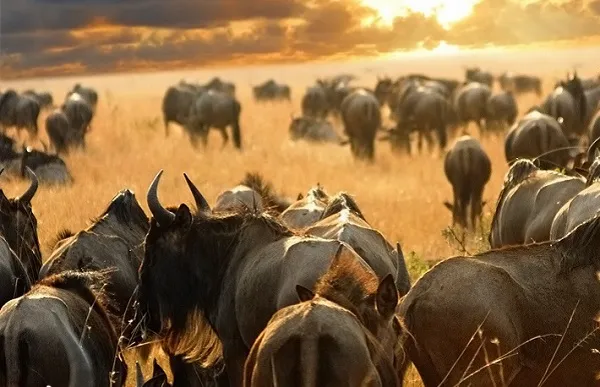
One night in Arusha before a safari is the standard allocation enough to recover from international travel, visit a restaurant, and brief with the guide. Two full days (arriving Day 0, safari Day 2–3) unlocks Arusha National Park, the Cultural Bomas, the Shanga Workshop, and a morning at the Maasai Market the essential Arusha cultural circuit. For Mount Meru trekkers, 4–5 days in Arusha is needed for the trek plus pre- and post-trek days. For guests combining Arusha with the northern circuit and Kilimanjaro, Arusha typically bookends the trip with 1–2 nights at the beginning and end. Two nights in Arusha, used well, reveals a genuinely interesting city alongside the extraordinary landscape and wildlife around it.
The definitive Arusha activity guide
Things to Do in Arusha Complete Guide 2026–2027
Every worthwhile activity in and around Arusha, covered in depth with logistics, pricing, and expert planning advice. From the wildlife of Arusha National Park to the artisan culture of Shanga, from Tanzanite gemstone education to the finest Mount Meru coffee the complete Arusha experience.

25 km from Arusha · Full or half day · Year-round
Arusha National Park
Arusha National Park is Tanzania's most accessible and most underrated wildlife park — a compact 552 km² of extraordinary ecological diversity that sits just 30–40 minutes from any Arusha hotel. The park is bisected by the slopes of Mount Meru and encompasses the Ngurdoto Crater (a collapsed volcanic cone similar in miniature to Ngorongoro), the Momela Lakes (seven shallow alkaline lakes), and the dense Ngurdoto and Fig Forest zones. Wildlife: giraffe herds are virtually guaranteed in the open woodland; colobus monkey troops in the fig forest (frequently directly above the road in troops of 20–40 individuals); zebra, warthog, reedbuck, bushbuck, dik-dik, hippo in the Momela Lakes, flamingo (up to 5,000 at times), great white pelican, saddle-billed stork, and a remarkable highland bird diversity. Leopard is present but rarely seen; elephant occasionally transits through. The park offers the only walking safari available in any northern Tanzania circuit park accompanied by an armed ranger, guests walk in the parkland with close-range wildlife encounters. Giraffe at 15–20 metres on foot, buffalo at 60 metres, colobus overhead the walking experience is unlike any vehicle-based safari.
On a clear day, the summit of Kilimanjaro is visible from the eastern park boundary — photographable with a wide lens framing giraffe in the foreground and the world's highest freestanding mountain on the horizon. Mount Meru itself dominates the entire western skyline throughout the park. Arusha National Park is a genuinely complete wildlife and landscape experience that requires only a half-day investment from any Arusha hotel and is suitable as a pre-departure morning activity for guests with afternoon safari vehicle departures.
Arusha National Park · 3–4 days · Challenging trek
Mount Meru Trek Africa's Finest Crater Rim Walk
Mount Meru is Africa's fifth-highest peak at 4,566 metres and one of East Africa's most rewarding and least-celebrated treks. Unlike Kilimanjaro, Meru is trekked by a fraction of the visitors who pass through Arusha each year making it an intimate, uncrowded alternative to the Kilimanjaro experience with wildlife encounters on the ascent that no Kilimanjaro route can match. The Meru trek passes through dense equatorial forest hosting black-and-white colobus monkeys, giraffe, buffalo, eland, and zebra on the lower mountain slopes making it genuinely a wildlife and summit experience combined. Above the forest zone, the route climbs through the extraordinary Meru Crater, whose walls frame the active volcanic vent on one side and the ash cone on the other a geological spectacle unique in East Africa. The summit (Socialist Peak, 4,566m) provides on a clear day the finest view of Kilimanjaro available from any point in Tanzania the full massif from Kibo to Mawenzi visible across the Arusha plains from above the clouds.
The standard Meru trek takes 3 days (ascent and descent via the Momella route): Day 1 from Momella gate to Miriakamba Hut (2,514m); Day 2 to Saddle Hut (3,570m) with an optional afternoon summit of Little Meru (3,820m); Day 3 summit attempt (departing 2:00 am for dawn on the crater rim) and return to Momella gate. A 4-day itinerary is recommended for better acclimatisation and a more comfortable summit experience. All Meru treks include a mandatory armed ranger escort (for wildlife on the lower mountain) the only non-optional armed ranger requirement in northern Tanzania's park system, reflecting the genuine wildlife presence on the ascent. Meru is an excellent Kilimanjaro preparation climb; Arusha's location makes it logistically ideal as the pre-Kilimanjaro warm-up with both treks departing from the same city.
Arusha · 5 km from centre · 2–3 hrs
Cultural Bomas of Tanzania
The Cultural Bomas of Tanzania is the most complete introduction to Tanzania's extraordinary ethnic diversity available in any single location an outdoor living museum presenting traditional homesteads (bomas), material culture, and performance traditions from the country's 120+ ethnic groups. The Bomas complex covers several acres of landscaped grounds in Tengeru, just outside Arusha, and presents full-scale reconstructions of traditional homesteads from groups including the Maasai, Chagga, Hadzabe, Datoga, Makonde, Ngoni, and Zanzibar Swahili each with authentic architecture, household objects, tools, and cultural items interpreted by guides from that specific community.
The Bomas' performance programme (scheduled daily at specific times) presents traditional music, dance, and storytelling from different ethnic traditions the Maasai jumping dance, the Makonde stilt dancers from southern Tanzania, the Gogo xylophone music, and the Chagga wedding ceremony re-enactments are the most frequently cited highlights. The craft sections present traditional weaving, carving, beadwork, and ironwork in progress with craftspeople working rather than simply displaying. For guests who cannot travel to specific communities across Tanzania's vast landscape, the Cultural Bomas provides a thoughtful and reasonably authentic overview of the country's cultural wealth. It is particularly valuable as preparation for cultural encounters later in a Tanzania itinerary the Iraqw homestead at Karatu or the Hadzabe at Lake Eyasi make far more sense after the Bomas contextualises Tanzania's cultural spectrum.

12 km from Arusha · Half day · Year-round
Lake Duluti Canoe Safari
Lake Duluti is a pristine volcanic crater lake 12 kilometres from Arusha town — invisible from the road, encircled by indigenous forest, and home to over 120 bird species and a colobus monkey population that lives in the canopy above the water's edge. The canoe safari at Lake Duluti is the finest wildlife encounter accessible within 20 minutes of any Arusha hotel silent paddling on the volcanic crater lake with African fish eagle calls echoing off the crater walls, malachite and giant kingfisher working the shallows, and colobus monkey troops visible in the forest canopy above. The lake is a genuine nature sanctuary in the middle of the Arusha-Moshi development corridor the contrast between the quiet crater lake and the surrounding urban landscape is striking and immediate.
The canoe is a traditional dugout guided by a trained ornithologist the boat is silent and low-profile, allowing approach to bird and wildlife subjects at distances impossible in any motorised or even walking encounter. Great egret, purple heron, goliath heron (Africa's largest heron), African jacana, pied and malachite kingfisher, and the spectacular African fish eagle (whose call is the most recognisable sound in Africa) are all consistently encountered. Monitor lizard patrol the bank in the morning sun. The colobus monkey calls from the crater forest are audible throughout the paddle. Lake Duluti is Arusha's finest and most accessible nature experience — easily combined with a morning Cultural Bomas visit for a complete Arusha culture-and-nature half-day.
Arusha · Hatari Lodge · 1.5–2 hrs · Free entry
Shanga Arusha's Most Moving Artisan Experience
Shanga is the single most extraordinary artisan experience available in northern Tanzania and one of the most affecting in all of East Africa. The workshop employs 60 people with physical and sensory disabilities who might otherwise have no access to formal employment in Tanzania's economy, creating extraordinary objects from recycled materials: glass bottles transformed into delicate hand-blown beads, recycled Chagga baskets rewoven into contemporary bags and accessories, and copper wire wound into jewellery of remarkable intricacy. Every object is made by hand in the workshop, which is open to visitors who can walk through and watch the entire production process glass cutting, bead blowing, wire winding, weaving in real time.
The glass bead production is the most visually compelling element: bottles (wine, beer, spirit) are cut and shaped, then melted in a furnace and hand-pulled into beads by artisans using tools whose design dates to ancient Venetian glass-making. The process is mesmerising to watch and requires extraordinary manual precision. The finished beads are threaded into necklaces, bracelets, and earrings in a colour palette drawn from the Tanzanian landscape Serengeti gold, Kilimanjaro blue, Zanzibar turquoise. The Shanga shop sells all workshop products at transparent, fair-trade prices — the purchase directly funds the wages and healthcare of the 60 employed artisans. Shanga is located at the Hatari Lodge 20 kilometres from Arusha on the road toward Arusha National Park easily combined with a park game drive on the same day.
Arusha city centre · 1–2 hrs · Free entry
Maasai Market and Arusha Craft Shops
Arusha's craft and market scene is the finest on the northern Tanzania circuit a combination of the traditional Maasai market, the Masai Camp craft village, and dozens of independent craft shops in the city's tourist areas that together represent a complete cross-section of Tanzanian artisan production. The Maasai market (specific days vary by location ask at your hotel for the current schedule) brings Maasai women and men from the surrounding plains into town with traditional beadwork, leather goods, wooden objects, and semi-precious stones at farm-gate prices significantly below the tourist shop level. Negotiation is expected and respected engaging seriously with the price process is a sign of respect, not rudeness. Budget a minimum of 45 minutes for the Maasai market and approach with genuine interest rather than photographic purpose only.
The Masai Camp craft village on India Street is the best permanent craft shopping destination in Arusha a complex of independent craft stalls in a secure outdoor environment with consistent quality control and no-pressure browsing. The product range includes: Maasai beadwork, Makonde ebony carving (a craft tradition from southern Tanzania now also practiced in Arusha), Tingatinga painting (the colourful narrative art style originating in Dar es Salaam), Zanzibar woven baskets, hand-made Tanzanian fabric (kitenge), and a range of semi-precious stone jewellery. Prices are negotiable at all stalls; quality varies significantly — our guide can advise on specific stalls and artisans worth visiting for genuine quality versus the tourist-grade production that dominates some stalls.
Arusha city centre · 1–2 hrs · Unique to Tanzania
Tanzanite The World's Most Exclusive Gemstone
Tanzanite is found in a single location on Earth a 4 km² deposit in the Merelani Hills at the foot of Kilimanjaro, 40 kilometres from Arusha. Discovered in 1967 by Maasai herdsman Ali Juuyawatu and popularised by Tiffany & Co. in the 1970s, tanzanite is a blue-violet vanadium grossular garnet that changes colour under different light sources — appearing blue in daylight and violet under incandescent light. This trichroic property makes it unique among commercially significant gemstones. It is estimated to be 1,000 times rarer than diamond by geological occurrence. All tanzanite in the world comes from one mine in one country. Arusha is the closest major city to that mine and the global market for tanzanite purchasing at the most direct prices.
The Tanzanite Experience on India Street is the most reputable and educationally comprehensive tanzanite retailer in Arusha a museum-showroom that explains the geological origin, mining process, and grading system for tanzanite before presenting the stones for purchase. The educational element (free, 30 minutes) transforms a gemstone shopping experience into a genuinely informative geological and cultural encounter. All Tanzanite Experience stones come with government-authenticated certificates of origin essential for export and insurance purposes. Prices at reputable Arusha dealers are typically 20–40% below equivalent stones in European or US jewellery retail. As a gift or personal purchase, a certified tanzanite from Arusha is one of the most meaningful and unique objects available from any safari destination in the world.
More things to see and do in Arusha
More Arusha Experiences Beyond the Headline Activities
Beyond the headline activities, Arusha offers a rich range of additional experiences for visitors with time to explore from the city's historic landmarks and coffee culture to specialist shops and unique neighbourhood walks.
Historic landmark · Free · 30 min
Arusha Declaration Monument and Clock Tower
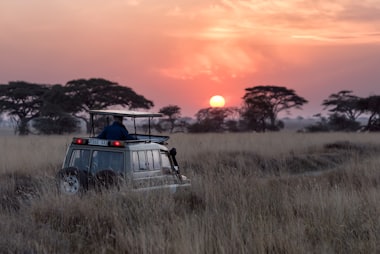
The Arusha Clock Tower at the city's geographical centre marks the midpoint of the Cape-to-Cairo highway and is Arusha's most iconic urban landmark. The nearby Arusha Declaration Monument commemorates the 1967 Arusha Declaration, the founding document of Julius Nyerere's ujamaa socialism policy that shaped modern Tanzania. The AICC (Arusha International Conference Centre) where the Arusha Peace Accords were negotiated and the International Criminal Tribunal for Rwanda conducted proceedings is a block away — a building of extraordinary global historical significance in an unassuming Arusha office complex.
Free · Self-guided · City centre
Food and drink · Daily
Arusha's Specialty Coffee Scene
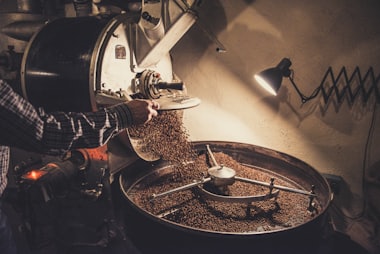
Arusha has developed one of East Africa's finest specialty coffee scenes — remarkable given that the city sits between the two finest coffee-growing regions on Earth (Kilimanjaro slopes and Ngorongoro highlands). Café Citron on Corridor Road serves Kilimanjaro-grown arabica prepared by a trained barista; The Coffee Shop on Joel Maeda Road has been the city's most reliable espresso address for over a decade; Burka Coffee Estate (15 km from town) offers a working estate visit and tour. For Tanzanian coffee enthusiasts, a morning moving through Arusha's best coffee addresses is a genuinely rewarding urban experience.
From $2–$6 per cup · Multiple locations
Educational · Family friendly · 1.5 hrs
Natural History Museum / Snake Park
The Arusha Natural History Museum and associated Snake Park on Boma Road is a compact but genuinely informative natural history collection focused on East African wildlife, geology, and palaeontology. The Museum's geological section covers the Rift Valley formation and the volcanic origins of Kilimanjaro and Meru in a well-presented exhibit. The Snake Park (adjacent) houses live Tanzanian reptile species including the Gaboon viper, black mamba, African rock python, and a range of non-venomous species — with guided interpretation from expert handlers. Family-friendly, educational, and genuinely useful preparation for the wildlife encounters of the safari circuit.
From $5 per person · Daily 9am–5pm
City tour · 2–3 hrs · Guided
Arusha City Walking Tour
A guided walking tour of Arusha's city centre and local neighbourhoods is one of the most rewarding and most overlooked activities for guests with a free morning before safari departure. The route passes through the Kijenge market (fresh produce), the Swahili-influenced old town mosques and shops, the Hindu temple on Mosque Road, the Sikh Gurdwara (one of only two in Tanzania), the AICC and Declaration Monument, and the Clock Tower — a complete cross-section of Arusha's multicultural urban fabric in 2.5 hours. Local guide essential — the city's street layout and neighbourhood context require interpretation that a map cannot provide.
From $25 per person with local guide
Farm experience · Half day · 15 km from Arusha
Burka Coffee Estate
Burka is one of Arusha's oldest working coffee estates — 15 km from the city on the road toward the airport. The estate grows shade-grown arabica at 1,400 metres under a canopy of macadamia and grevillea trees, using traditional wet-processing methods. The Burka tour (available by appointment) covers the full growing and processing cycle — nursery, field, cherry picking, wet mill, drying, hulling, and roasting — and concludes with a cupping session comparing beans from different areas of the estate. The estate also produces macadamia nuts, avocados, and flowers for export — making it a complete agricultural experience beyond coffee alone. Purchases are available directly from the estate shop at farm-gate pricing.
From $20 per person by appointment · 15km from Arusha
Nature · Free · Best at dawn
Mount Meru and Kilimanjaro Viewpoints
The two greatest mountains in East Africa frame Arusha on opposite sides — Mount Meru (4,566m) immediately to the west, Kilimanjaro (5,895m) 80 km to the east. On a clear morning, both summits are simultaneously visible from Arusha's higher elevations before 8:00 am (clouds typically build on both peaks by 10am). The finest Arusha viewpoints: the roof terrace at Arusha Hotel on Boma Road; the road approaching the Clock Tower from the east at dawn; and the Usa River area (15 km) where the Meru slopes are visible close and the Kilimanjaro summit floats above the eastern plains in flat-angle morning light. Sunrise is the mandatory viewing time — plan accordingly.
Free · Best 6–8am · Before cloud builds
Know the city before you arrive
Arusha Neighbourhoods — Where Everything Is
Arusha's tourist activities and accommodation are spread across several distinct districts. Understanding the geography saves time and helps with hotel selection.
Clock Tower District — City Centre
Central hub · Historic · ShoppingThe historic centre of Arusha around the Clock Tower and Joel Maeda Road. The Arusha Declaration Monument, AICC, Maasai Market (on specific days), the main bus station, and Arusha Hotel are all within walking distance. The area is busy, lively, and genuinely urban — the most authentic Arusha experience for guests who want to engage with the city rather than stay insulated in the tourist corridor. Some street touts in this area — politely ignore or engage briefly then disengage; they are generally harmless.
Best for: city walking, monuments, authentic market, local restaurants
Corridor Road / Old Moshi Road
Tourist zone · Hotels · RestaurantsThe primary tourist corridor in Arusha — a 3 km strip of safari company offices, international-standard hotels (Arusha Serena, Gran Melia, African Tulip), the finest restaurants (Stiggy's, Khan's BBQ, Arusha Backpackers), and the Masai Camp craft village. Most visitors spend their pre-safari night somewhere along this corridor. Safe, well-lit, walkable for comfortable hotel-to-restaurant distances. The standard departure point for all northern circuit safaris.
Best for: accommodation, restaurants, safari briefings, Masai Camp shopping
Usa River Corridor (East Arusha)
Upmarket · Quiet · Country settingThe Usa River area 15–20 km east of Arusha on the road toward Kilimanjaro Airport combines rural highland scenery with some of Arusha's finest accommodation (Hatari Lodge, Rivertrees Country Inn, Ngare Sero Mountain Lodge). This corridor is where Shanga is located (at Hatari Lodge). Quieter, cooler, and more residential than the city centre — the preferred choice for guests who want a highland lodge feel within reach of Arusha activities. Kilimanjaro Airport is 50 km from Usa River (1 hour).
Best for: Shanga visit, Hatari Lodge, Rivertrees, peace and quiet, Kilimanjaro airport proximity
Njiro and Kijenge Suburbs
Local residential · Authentic · MarketsThe residential suburbs of Arusha where most Arusha residents live and work — genuinely local, not tourist-oriented, and revealing of Tanzanian urban daily life in a way that the Corridor Road is not. The Njiro market (larger than the city-centre market) and the Kijenge neighbourhood food scene are authentic local experiences accessible with a local guide. Not a tourist circuit but a genuinely interesting urban Arusha experience for curious travellers.
Best for: authentic local market, Tanzanian food at local prices, neighbourhood experience
Arusha's best food and drink
Where to Eat in Arusha — The Complete Food Guide 2026
Arusha has the finest restaurant scene in northern Tanzania — a city-sized food culture shaped by the international safari tourism industry, a large Indian and Arab community heritage, and the extraordinary produce of the surrounding highland farms. Here are the restaurants our guides consistently recommend.
Khan's Barbecue
Tanzanian grilled meat · Outdoor · IconicArusha's most beloved restaurant — an outdoor grill institution on Mosque Road that has been feeding locals and visitors since the 1990s. Nyama choma (charcoal-grilled meat: beef, goat, chicken) carved at the table, served with ugali, kachumbari salad, and pilipili sauce. The experience is half-restaurant, half-theatre — the grill master is a performer, the meat is extraordinary, and the atmosphere (plastic chairs, outdoor tables, the smell of charcoal) is entirely authentic. No reservations, no pretension, no overcharging — just excellent grilled meat and cold beer in a setting that has defeated every trendier competitor Arusha has thrown at it.
Budget: $8–$15 per person · Open daily from 5pm
Stiggy's
International cuisine · Garden · Mid-rangeStiggy's on Haile Selassie Road is Arusha's most consistently excellent international restaurant a shaded garden setting with a menu that draws from Tanzanian ingredients (highland vegetables, Kilimanjaro coffee, Zanzibar spices) and international culinary technique. The pizza (wood-fired), the pasta, and the Tanzanian grilled fish with coconut and ginger are the most frequently cited highlights. Extensive wine list by Arusha standards. Popular pre-safari dinner option for guests wanting a reliable, quality meal the night before departure. Reservation recommended for dinner in peak season.
Mid-range: $15–$35 per person · Open daily lunch and dinner
Arusha Hotel Dining Room
Colonial heritage · Formal · Historical settingThe Arusha Hotel on Boma Road — the city's oldest operating hotel (established 1894) — has a dining room that retains the atmosphere of colonial-era East Africa: high ceilings, slow fans, and white tablecloths in a setting whose guests have historically included Hemingway, Kaiser Wilhelm II, and more recently the International Criminal Tribunal's legal community. The food is competent Tanzania-continental, not remarkable, but the setting and history make it a genuinely memorable dining experience worth one dinner.
Mid-range: $20–$45 per person · Reservations recommended
Habibi Restaurant
Indian-Swahili fusion · Local institutionHabibi on India Street reflects Arusha's significant South Asian community heritage in the finest possible way — a Swahili-influenced Indian kitchen producing biryani, masala dishes, samosas, and the finest chai in Arusha. The lunchtime biryani (chicken or goat, with pickled vegetables and raita) is one of the finest single dishes available in Arusha for under $6. Lunch only, cash preferred, frequently crowded with local regulars — which is the best possible recommendation.
Budget: $4–$10 per person · Lunch only · Cash preferred
The Coffee Shop
Breakfast · Coffee · CasualThe Coffee Shop on Joel Maeda Road has been Arusha's most reliable breakfast address for over a decade — a simple, air-conditioned space serving freshly brewed Kilimanjaro-grown coffee, excellent French toast, fresh fruit, and Tanzanian breakfast (mandazi, chai, eggs). The morning pre-safari breakfast here — 6:30–7:00 am before the vehicle arrives — is a Arusha tradition for returning visitors who know that this is the last reliable espresso until the camp coffee pot the following morning.
Budget: $5–$12 per person · Open from 6:30am daily
Arusha Backpackers Kitchen
Social dining · International · ValueThe social kitchen at the Arusha Backpackers on Sokoine Road is an excellent value lunch and dinner option for all budget levels — not a backpacker-only space but a genuinely welcoming, indoor-outdoor kitchen producing dependably good Tanzanian and international food at the fairest prices on the tourist corridor. The pasta, the chicken masala, and the fresh juice combinations from highland fruits are consistently good. The mix of travellers sharing tables makes this a useful information exchange point for safari route planning.
Budget: $6–$14 per person · Open daily lunch and dinner
Where to stay in Arusha
Arusha Accommodation — The Complete 2026 Guide by Tier
Arusha offers the widest accommodation range of any northern Tanzania town — from $15 backpacker dormitories to one of East Africa's finest luxury lodges. Here is the complete guide by tier.
Budget · $15–$60/night
Budget Hostels and Guesthouses
$15 dormitory / $35–$60 private room
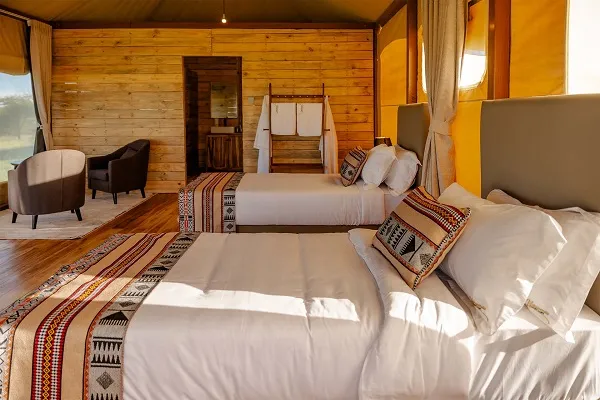
Arusha Backpackers (Sokoine Road) is the gold standard of Arusha budget accommodation — secure, well-run, excellent social kitchen, good safari briefing facilities. Masai Camp Hostel and Faru Faru Backpackers are also reliable. All budget options offer safari consultation, luggage storage, and the practical advice exchange culture of long-stay backpacker communities.
Mid-range · $210–$250/night
Hotel and Safari Lodge Mid-Range
$210–$250 per room per night B&B
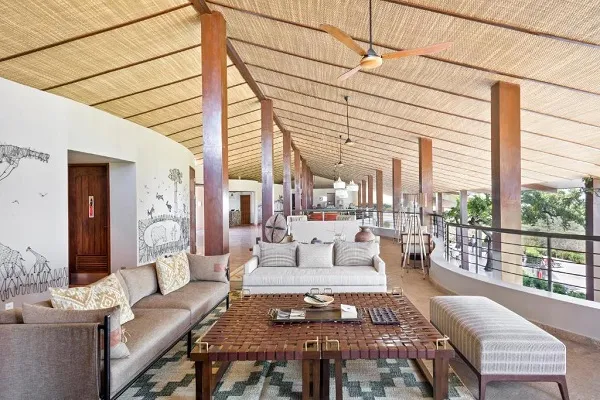
African Tulip on Serengeti Road is the finest mid-range hotel in the city centre — beautifully designed, reliable service, excellent breakfasts, and proximity to the Corridor Road's restaurants. East African Rift Valley Hotel (Ngurdoto Road) and Rivertrees Country Inn (Usa River) offer excellent value in more rural settings. The standard accommodation for our Arusha circuit safari packages.
Luxury · $350–$2100/night all-inclusive
Hatari Lodge and Gran Melia Arusha
$350–$2100 per person per night all-inclusive
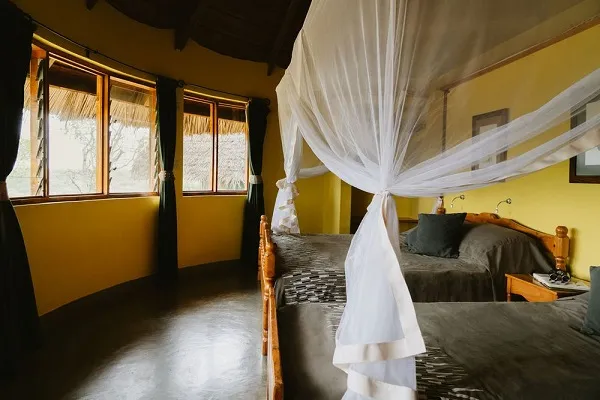
Hatari Lodge (Usa River, 20 km) is named after the 1962 John Wayne film shot on location — 9 suites in the original ranch house with Mount Meru views, a private waterhole, and the Shanga workshop on-site. Gran Melia Arusha on Swahili Street is the city-centre luxury option — an international five-star with exceptional service, pool, and spa. Both represent the finest Arusha accommodation in their category.
Logistics and getting there
Getting to Arusha — Kilimanjaro Airport, Arusha Airport, and Road
By Air — Kilimanjaro International Airport (JRO)
Most international visitors arrive at Kilimanjaro International Airport (JRO) — 50 km east of Arusha, approximately 1 hour by road through Usa River. This is the correct airport for Arusha, Moshi, and all northern circuit safaris. JRO receives international flights from Amsterdam (KLM), Doha (Qatar Airways), Dubai (Emirates and flydubai), Nairobi (Kenya Airways, Jambojet), Addis Ababa (Ethiopian Airlines), Istanbul (Turkish Airlines), and Johannesburg (South African Airways). Our team provides airport transfers from JRO to any Arusha hotel as part of all safari and climb packages.
Arusha Airport (ARK)
Arusha Airport is a smaller domestic/charter facility 7 km west of the city centre, used primarily for charter flights within Tanzania (Serengeti, Zanzibar, Lake Manyara airstrip, Grumeti). If flying between safari destinations, Arusha Airport (ARK) is more convenient than JRO for city-centre hotels. ARK is a 10-minute taxi ride from the Corridor Road hotels.
From Moshi by Road
Moshi is 80 km from Arusha — a 1–1.5 hour drive on the sealed main highway. The road connects the two major northern Tanzania gateway towns and is used by safari vehicles transferring between the airports, Kilimanjaro treks departing from Moshi, and safari circuits starting from either city.
| Destination | Distance | Drive | Road condition |
|---|---|---|---|
| Kilimanjaro International Airport (JRO) | 50 km | 55–70 mins | Sealed, excellent |
| Arusha Airport (ARK) | 7 km | 10–15 mins | Sealed |
| Moshi | 80 km | 1–1.5 hrs | Sealed, good |
| Arusha National Park gate | 25 km | 30–40 mins | Sealed |
| Lake Duluti | 12 km | 15–20 mins | Sealed |
| Karatu / Ngorongoro | 145 km | 2.5–3 hrs | Sealed |
| Tarangire NP gate | 120 km | 1.5–2 hrs | Mostly sealed |
| Lake Manyara NP gate | 120 km | 2–2.5 hrs | Sealed |
Traveller experiences in Arusha
Arusha Travel Reviews — Real Guest Experiences 2026

"Shanga at Hatari Lodge was the most affecting one-hour experience of our entire Tanzania trip — which included the Serengeti crossing and Ngorongoro. Watching a young man with no hands produce a glass bead of extraordinary precision using a tool he has adapted for his specific grip — the focus, the skill, the complete absence of self-pity, the pride in the finished object — I bought more than I had budgeted for and have not regretted a single purchase. The beads are in daily use at home. Every Tanzania visitor should go to Shanga. It is the human equivalent of the Serengeti."
Shanga Workshop · Hatari Lodge · October
"I had one free morning before the safari began and did the Arusha National Park walking safari on a complete impulse recommendation from my hotel. The guide and armed ranger walked me to within 40 metres of a giraffe on foot. No vehicle, no glass, no engine. The giraffe watched us with its extraordinary gaze for six minutes, then walked away. I have done vehicle-based safaris for 15 years. Walking to a giraffe on foot in Tanzania on a Tuesday morning, 30 minutes from my hotel, for $115 — it is genuinely one of the best wildlife experiences I have had anywhere."
Arusha National Park Walking Safari · July"I was not a gemstone person before going to the Tanzanite Experience museum in Arusha. I am now. The museum explains the geological improbability of tanzanite in a way that makes you feel you are holding a piece of specific, irreplaceable Earth. The stone changes colour as you tilt it — blue in daylight, violet under the lamp, burgundy under a third light. One stone. Three colours. Found nowhere else. I bought a small certified piece for my mother. The Tanzanite Experience staff were extraordinarily patient with a non-gemologist asking basic questions for 45 minutes. The educational element is genuinely excellent — visit even if you do not intend to buy."
Tanzanite Experience Arusha · AugustEvery Arusha question answered
Arusha Travel FAQ — Complete Expert Guide 2026–2027
-
The best things to do in Arusha in 2026–2027 depend on your interests and available time. For wildlife: Arusha National Park (giraffe, colobus, flamingo, walking safari — $115/pp, 30 min from town) or the Lake Duluti canoe safari ($210/pp, 15 min from town). For culture: the Cultural Bomas of Tanzania ($15/pp entry, 2–3 hrs), the Shanga workshop at Hatari Lodge (free entry, extraordinary artisan experience), and the Maasai Market (craft shopping, free entry). For food: Khan's Barbecue for nyama choma, Stiggy's for international cuisine, The Coffee Shop for breakfast. For shopping: the Tanzanite Experience for the world's rarest gemstone, Masai Camp craft village for Tanzanian handcraft. For trekking: Mount Meru (3–4 days, Africa's 5th highest, wildlife on the ascent). A complete 2-day Arusha visit can cover the national park, Cultural Bomas, Shanga, Maasai Market, Lake Duluti, and the best restaurants — contact us for a customised 2-day Arusha programme.
-
Kilimanjaro International Airport (JRO) is 50 km east of Arusha — approximately 55–70 minutes by road through Usa River. The three main options: (1) Our team provides pre-arranged airport transfers to any Arusha hotel as part of all safari and climb packages — this is the simplest option as the vehicle and driver meet you at the arrival hall with your name on a board; (2) Metered taxi — licensed taxis wait outside the arrivals terminal; the standard rate to Arusha city centre is approximately $40–$50 (negotiate before departure, confirm the meter will be used or agree a fixed rate upfront); (3) Dalla dalla (local minibus) — the cheapest option ($1–$2 per person) but slow, crowded, and not recommended for guests with significant luggage arriving after international travel. We recommend the pre-arranged transfer for all guests — it eliminates the airport-exit negotiation stress after a long flight and ensures a reliable vehicle in good condition. Contact us before arrival to arrange your Kilimanjaro Airport transfer.
-
Yes — Arusha National Park is genuinely worth a morning or full day visit either before or after the northern circuit safari, for two reasons. First, the park's wildlife character is significantly different from Tarangire, Manyara, Ngorongoro, and the Serengeti — forested kopje terrain, colobus monkey troops, and the Momela flamingo lakes provide a distinct wildlife experience that complements rather than duplicates the circuit parks. Second, the walking safari at Arusha National Park is the only walking safari available in any northern Tanzania circuit park — an experience that no amount of vehicle-based game driving can replicate and that is only possible at Arusha NP. For guests arriving the day before their safari, a morning at Arusha National Park uses the time productively, settles the pre-safari excitement, and delivers a complete wildlife experience before the circuit begins. For guests with a post-safari free morning before flying home, the park's proximity to Kilimanjaro Airport makes it the obvious half-day use of the last Arusha morning.
-
Arusha is generally safe for tourists in the main tourist areas, lodges, and during guided activities in 2026. Tanzania as a whole has a strong record of tourist safety relative to other East African destinations. The standard precautions apply in Arusha: avoid walking alone in the city centre after dark; use recommended taxis arranged through your hotel rather than flagging vehicles on the street; keep valuables in a hotel safe; be alert to opportunistic petty theft in crowded areas (the bus station, the market). The Corridor Road tourist area and the Usa River lodge corridor are safe at all hours. Street touts in the city centre (particularly around the Clock Tower and the Maasai Market area) are pushy but generally harmless — a firm but polite decline is always sufficient. Our guides accompany all activities and provide the local knowledge that makes Arusha's more interesting non-tourist areas accessible safely. For solo female travellers: Arusha is considered safe by East African standards; the same general precautions apply as in any city.
-
The choice depends on priorities. City centre accommodation (Corridor Road, African Tulip, Arusha Backpackers) is best for: walkability to restaurants, easy access to craft shopping, the Cultural Bomas, and the Clock Tower district; lower transport costs for any city-centre activity; and the social atmosphere of Arusha's tourist hub. Usa River accommodation (Hatari Lodge, Rivertrees Country Inn, Ngare Sero Lodge) is best for: a quieter, more scenic highland setting; direct access to the Shanga workshop at Hatari Lodge; proximity to Arusha National Park (15 minutes from Usa River vs 30–35 from city centre); and a more lodge-like experience before the safari begins. Both are within 20 minutes of Kilimanjaro Airport. For guests doing 1 night in Arusha only, the city centre is more practical (restaurant access within walking distance). For guests doing 2+ nights, Usa River provides a more rewarding environment if the walking safari at Arusha NP and Shanga are on the programme.
-
Arusha's highland climate at 1,387 metres is pleasant year-round — genuinely temperate and comfortable in every month, unlike the lowland heat of the national park zones. Daytime temperatures range from 22–30°C (dry season) and 18–25°C (rainy season); nights are cool (12–18°C) throughout the year. The rainy seasons (long rains March–May, short rains November–December) bring afternoon showers but rarely affect morning activities — Arusha's equatorial rainfall pattern means rain is predictable rather than continuous, and mornings are almost always clear. For Kilimanjaro views from Arusha: October–March gives the clearest summit visibility before the volcanic cloud builds. For Arusha National Park wildlife: the dry season (June–October) concentrates wildlife at the Momela Lakes and produces the best flamingo concentrations; the rainy season produces vivid green landscapes and the best photography light. For Shanga, Cultural Bomas, and city activities: year-round equally good. For overall tourism cost: the green season (March–May) delivers 20–35% lower safari rates with no meaningful reduction in Arusha city activities.
-
USD cash is the most practical currency for Arusha tourist activities in 2026. All safari packages, park fees, guides, and most tourist-level accommodation accept USD; Tanzanian Shillings (TZS) are needed for local restaurants, markets, taxis, and small purchases. ATMs (CRDB, NMB, NBC, Barclays) are widely available in Arusha — Visa and Mastercard both work reliably at all major ATMs; American Express is not universally accepted. Cash is strongly preferred for craft markets, street food, local taxis, and the Maasai Market — carry TZS for these. Most mid-range and luxury hotels, the Tanzanite Experience, and Shanga all accept credit cards. Budget approximately: $150–$200 per person per day for mid-range independent travel in Arusha (accommodation $210–$200, meals $20–$40, activities $50–$115). Note that clean, unfolded USD bills post-2004 are required for exchange — tatty or pre-2004 bills are refused at most exchange bureaus.