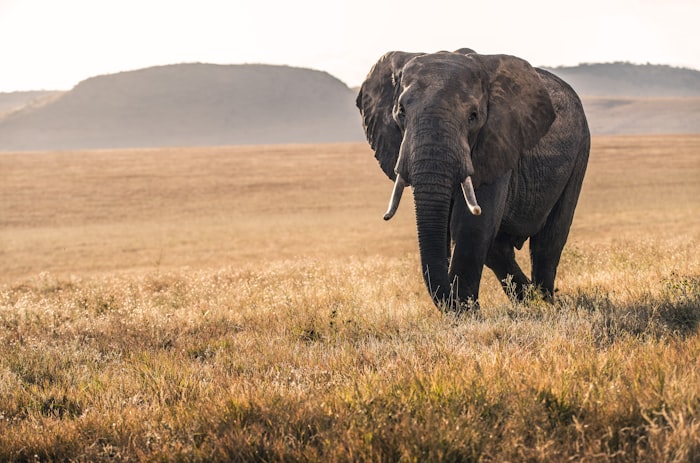
Serengeti National Park, TanzaniaUNESCO World Heritage Site
3 Days Serengeti Great Migration Safari
Tanzania's two most iconic wildlife destinations in three essential days — the Ngorongoro
Crater at dawn and the Serengeti's Great Migration in full. The most condensed safari we offer and the absolute
minimum to genuinely experience the migration. No transit days. No wasted hours. Pure wildlife.
3 Days / 2 Nights2 National ParksBig Five possibleLowest price availableMax 6 per vehicle
412 verified safari guestsTripAdvisor · Google · Booking.com
1.5M+
Wildebeest
2
National Parks
Big Five
All possible
15+
Years guiding
The minimum migration safari
Three Days. Two Parks. Everything Essential.
The 3-day Serengeti Migration Safari is the most condensed safari we offer — built for travellers with an
absolute minimum of time who still demand a genuine, uncompromised encounter with Africa's greatest wildlife
spectacle. In three days, this itinerary reaches the two destinations that define the Tanzania safari
experience: the Ngorongoro Crater and the Serengeti.
This is the absolute minimum to genuinely experience the Great Migration. One full Ngorongoro Crater day
delivers Africa's most concentrated wildlife sanctuary, including the best opportunity anywhere on the
continent to see black rhino in the wild. One full Serengeti day — positioned before dawn in the most active
migration zone by real-time guide intelligence — delivers the migration, the predators, and the vast savanna
landscape that no documentary has ever fully captured.
For travellers who have only three days — whether at the end of a Kilimanjaro climb, within a tight
business trip, or as a focused first encounter with Africa's wildlife — this safari delivers the two
experiences that matter most, with nothing diluted and nothing wasted.
1
Full Ngorongoro Crater day
A complete dawn-to-afternoon day inside Africa's most wildlife-dense sanctuary — black
rhino tracking, crater lions, leopard, and 25,000 large mammals in 260 km².
1
Full Serengeti migration day
One complete pre-dawn-to-departure day in the active migration zone, positioned by
overnight guide network intelligence. The Serengeti at its most purposeful.
0
Wasted transit days
Every day in this itinerary is a full wildlife day. Day one includes an afternoon game
drive. Days two and three are complete from before dawn. No dead days.
5
Big Five all achievable
Black rhino in Ngorongoro. Lion, leopard, and buffalo across both parks. Elephant on the
crater floor. Expert guide positioning makes all five genuinely possible.
When to visit
Great Migration Calendar — Best Time to Visit
The migration moves year-round. Your single Serengeti day is positioned by real-time guide
intelligence in the most active zone available for your dates.
Jan – Feb
Southern Serengeti · Ndutu
Calving season — 500,000 calves in 3 weeks. Explosive predator activity. The most
concentrated wildlife day available on any single Serengeti visit.
March
Southern Plains
Herds still on the southern plains. Late calving. Vast concentrations of wildebeest and
zebra with excellent predator action throughout the day.
Apr – May
Western Corridor
The long march north begins. Migration columns across the plains with the fewest visitors
and lowest prices of the year. Excellent resident wildlife throughout.
June
Grumeti River
Grumeti River crossings. Giant resident crocodiles. First dramatic crossing of the annual
cycle. Excellent choice for a single focused day.
Jul – Oct
Northern Serengeti · Mara River
Mara River crossings. The most dramatic wildlife event on Earth. One full day at the
crossing points is a genuine crossing opportunity at peak season.
Nov – Dec
Eastern Serengeti
Return migration south. Short rains begin. Vast herds moving through the eastern
Serengeti. Low visitor numbers and excellent resident predator activity.
One Serengeti day — our guide makes every minute count
On a 3-day safari, the quality of your single Serengeti day is determined entirely by guide preparation and
positioning. Your guide connects with the real-time guide network the evening before departure — identifying
the most active migration location, the freshest predator sightings, and the best dawn approach route. The day
begins before first light, every hour is in the field, and the departure from camp is delayed to the last
possible moment before the return drive begins. This is not a hurried glimpse — it is a complete,
intelligence-led wildlife day.
Great Migration · Serengeti
Ngorongoro Crater
+6 photos
1.5M+
Wildebeest in circuit
1
Full Serengeti day
25K
Crater mammals year-round
~30
Black rhino in Ngorongoro
Safari Overview
The Crater and the Migration — Nothing Else Required
The 3-day Serengeti Migration Safari is built around a simple principle: if you have only three days,
spend them at the two wildlife destinations in East Africa that need no others. The Ngorongoro Crater is
the most densely stocked wildlife sanctuary on Earth — a complete, self-contained ecosystem in a single
caldera. The Serengeti is the Great Migration — the largest terrestrial animal movement on the planet,
ongoing year-round. Together, in three days, they deliver Africa's greatest wildlife encounters without
compromise.
The route is direct. Day one arrives in Arusha or Moshi early enough for an afternoon drive or road
journey that positions the vehicle for the following morning's crater descent. Day two is the Ngorongoro
Crater in full — a complete dawn-to-afternoon day inside the caldera, followed by the afternoon transfer
to the Serengeti. Day three is the Serengeti — a full pre-dawn-to-departure migration day before the
return drive to Arusha for the evening flight home.
Three days. Two parks. Two of the most extraordinary wildlife experiences on Earth. This is the minimum
migration safari — and it is far from a diluted one.
Why just two parks — and why these two
On a 3-day safari, adding Tarangire or Lake Manyara would require reducing either the Ngorongoro
Crater or the Serengeti day to a transit morning — which would fundamentally compromise the quality of
both. Instead, the 3-day itinerary concentrates entirely on the two destinations that are most
extraordinary and most irreplaceable. Tarangire is excellent; the Ngorongoro Crater and the Serengeti
together are the definition of the Tanzania safari experience. For those who want Tarangire, the 4-day
or 5-day itinerary adds it without compromise.
Ngorongoro Crater — the most wildlife-dense location in Africa
The Ngorongoro Crater is the centrepiece of the 3-day safari. A complete day inside the 260 km²
caldera — the world's largest intact volcanic caldera — with approximately 25,000 large mammals
year-round. The crater holds the highest density of black rhino in Africa (~30 individuals),
extraordinary crater lion prides with their unique thick manes, 5,000+ buffalo, 4,000 zebra, and a
resident flamingo population on the soda lake at the crater floor. This is Africa's most concentrated
single wildlife day.
Best for: Kilimanjaro add-on and short leave windows
The 3-day safari is the most compact Kilimanjaro combination leg available. A 7-day Kilimanjaro climb
plus the 3-day safari runs exactly 10 days — a week and a half in Tanzania that covers the summit of
Africa's highest mountain and the world's greatest wildlife spectacle. We offer combined package
pricing with reduced total cost and manage all logistics between mountain and bush. For those with
even less time, a Zanzibar beach extension of 2–3 days can follow the 3-day safari without adding to
the total travel footprint.
Honest about what three days delivers — and what it does not
Three days is our minimum migration safari for a reason — it is genuine, not just in name. One full
Serengeti day, precisely positioned, delivers the migration at scale and a real predator experience.
What three days cannot deliver is multiple crossing attempts if the herd hesitates, deep predator
tracking across consecutive days, or the remote northern Serengeti areas that require multi-night
positioning. If these are your goals, we recommend 5 days or more. But for those whose circumstances
allow only three days, this safari delivers the migration in full honesty and full quality.
Great MigrationBig Five1 Full Serengeti DayNgorongoro CraterBlack Rhino trackingMara River crossingCalving seasonExpert naturalist guidePrivate 4x4 vehicleLowest price migrationKilimanjaro ideal add-onYear-round available
Day-by-Day Programme
3-Day Serengeti Migration Safari Itinerary
Day one is the positioning day — the drive from Arusha or Moshi to the Ngorongoro
Conservation Area, climbing the dramatic escarpment road to your crater rim lodge, where the first
view of Africa's most extraordinary wildlife sanctuary opens 600 m below. The drive passes through the
Maasai-populated escarpment landscape and, if time allows, a late afternoon stop at the rim viewpoint
as the crater fills with evening shadow. Your guide briefs you on tomorrow's descent timing and
strategy over dinner.
07:00
Early departure from Arusha or Moshi
Meet your expert naturalist guide. Vehicle and equipment check. Drive west
along the main Arusha road toward the Ngorongoro Conservation Area. The road climbs steadily
through the Arumeru highlands before reaching the escarpment.
10:30
Enter the Ngorongoro Conservation Area
Pass through the NCAA gate. The road climbs the Oldeani escarpment through
highland forest and Maasai community land. Elephant and buffalo frequently encountered on the
escarpment road.
13:00
Crater rim viewpoint — first sight of the caldera
Your first view of the Ngorongoro Crater — 260 km² of unbroken wildlife
sanctuary 600 m below. Lunch at the rim. The guide explains tomorrow's descent strategy and
migration intelligence for the Serengeti.
16:00
Check in to Ngorongoro crater rim lodge
Settle in. Sundowner drinks with the crater visible below. The guide
communicates with the Serengeti guide network for current herd positions. Dinner with a briefing
for tomorrow's pre-dawn departure into the crater.
Crater rim panoramaMaasai escarpment viewsElephant on roadBuffalo on escarpment
The defining day of the 3-day safari. A complete dawn-to-afternoon inside the
Ngorongoro Crater — Africa's most wildlife-dense sanctuary and the best location in the world to see
black rhino in the wild — followed by the afternoon drive across the Ngorongoro plateau to your
Serengeti camp. Tonight, the guide receives final intelligence on tomorrow's migration positioning.
The Serengeti begins at dawn.
05:30
Pre-dawn departure to crater descent gate
Leave the rim lodge before first light. Drive to the descent gate, which opens
at 6:00 am. Your guide uses the overnight guide network intelligence to plan the morning's black
rhino positioning.
06:00
Descent into the Ngorongoro Crater at first light
600 m of dramatic escarpment road to the crater floor. The crater emerges from
morning mist. Inside Africa's most perfect wildlife sanctuary by 6:30 am — the optimal time to
locate black rhino before the sun is high.
07:00
Black rhino tracking — the morning's primary target
Your guide drives directly to the most recent black rhino sighting locations,
identified overnight from the guide network. The Ngorongoro Crater's rhino population is the
most accessible in Africa — with good intelligence and early positioning, encounters are highly
probable.
09:30
Crater lions and Lerai Forest
The acacia forest in the crater's south is prime leopard habitat and home to
the famous hippo pool. Crater lions with their extraordinary thick manes — unique to this
isolated population — rest in the forest shade in the mid-morning. Buffalo herds of 5,000+ graze
the open crater floor.
13:00
Picnic lunch on the crater floor
Lunch boxes eaten with the entire 260 km² crater visible in every direction.
Vultures and kites circle overhead. The guide checks final Serengeti intelligence over lunch.
Back to drives immediately after.
16:30
Crater ascent — depart for Serengeti
Exit the crater and drive west across the Ngorongoro plateau to the Serengeti
border. The landscape transitions dramatically from crater farmland to the open Serengeti
plains. Arrive at Serengeti camp at dusk. Tomorrow is the migration.
Black RhinoCrater LionsLeopardBuffalo 5,000+Hippo
poolFlamingoZebra 4,000Wildebeest 7,000
The final and most anticipated day — the Serengeti migration day. Your guide uses last
night's network intelligence to position the vehicle before dawn in the most active migration zone:
the Mara River crossing points during July–October, the Ndutu calving concentration during
January–February, or the Seronera predator and migration corridor in other seasons. A full
pre-dawn-to-midday drive maximises wildlife time before the return drive to Arusha begins. This is the
Serengeti in one complete, focused day — the migration at its most immediate, the predators at their
most active in the early hours, and the vast savanna landscape in its full scale.
Mara River Crossings (July–October)
Your guide positions the vehicle at the Mara River crossing points before dawn. One full
pre-dawn-to-midday morning at an active crossing site is a genuine crossing opportunity —
particularly when the herd is already at the river from the previous day, which your guide's
overnight intelligence identifies. The Serengeti crossing experience in a single focused morning.
Calving Season — Ndutu (January–February)
One focused pre-dawn morning in the calving zone delivers the most concentrated predator-prey
interaction of any season. Cheetah hunts begin at first light. Lion kills on the calving plains
are fresh from the night. Wild dog packs are moving through the newborn herds. Calving season
makes a single Serengeti morning genuinely extraordinary.
05:30
Pre-dawn departure — migration zone positioning
Leave camp before first light. Drive directly to the migration zone location
identified overnight. Dawn is the most active predator-viewing window and the most productive
hour for migration activity.
06:00
Full migration and predator drives
Pre-dawn-to-departure drives in the active migration zone. Migration herds in
full scale, predator concentrations at their peak activity, and the Serengeti savanna in the
extraordinary quality of early morning light. Bush breakfast served in the field — no time
wasted returning to camp.
10:00
Final Serengeti drives before departure window
Your guide extends the drive as long as the return schedule allows. Every
minute in the Serengeti is used. The departure is timed to reach Arusha before your evening
flight.
10:30
Depart Serengeti — return drive to Arusha
5–6 hour drive via the Ngorongoro crater highlands. Maasai villages, highland
forest, and Rift Valley panoramas. Lunch stop en route. Arrive Arusha in the late afternoon.
16:30
Drop off at Arusha hotel or KIA airport
End of safari services. Asante sana — thank you for joining us. The Serengeti
stays with everyone who has genuinely seen it.
Real-time migration intelligence and herd positioning
Emergency communication device in vehicle
Not included
International flights to KIA / JRO / ARK airport
Tanzania tourist visa (approximately $50 USD online)
Personal travel and medical evacuation insurance
Hot air balloon safari (optional — approximately $650 per person)
Alcoholic beverages (unless luxury package)
Personal spending money and gratuities
Tips for guide (approximately $20 per day recommended)
Personal medications and anti-malaria prophylaxis
Route Intelligence
Migration Activity by Month
All seasons deliver exceptional wildlife on the 3-day
safari. One focused Serengeti morning, precisely positioned, accesses the most active phase available.
Months
Migration Phase
Key Activity
Predator Action
Crowds
Jan–Feb
Calving Season
Extraordinary
Highest of year — cheetah, lion, wild dog
Moderate
March
Southern Plains
Very Good
Still excellent — herds concentrated
Low
Apr–May
Western Corridor
Good
Good — long columns, good predator action
Very low
June
Grumeti Crossings
Excellent
Grumeti crocodiles — dramatic crossings
Low
Jul–Oct
Mara River Crossings
Peak Season
Crocodiles, mass crossings, lion hunts
High
Nov–Dec
Return Migration
Very Good
Good — herds on eastern plains, short rains
Low
What our 3-day safari guests say
★★★★★
Stefan R. — Austria
"I had exactly three days after my Kilimanjaro summit attempt. I was exhausted and
almost cancelled. The guide picked me up and I found the black rhino in the Crater by 7 am. By 9 am on
day three I was watching a cheetah hunt from twenty metres away. Three days. Both experiences were
life-changing."
Post-Kilimanjaro · January 3-day safari
★★★★★
Mei L. — Singapore
"A business trip to Nairobi with three free days. The guide drove me to the
Serengeti Mara River at 5:30 am and by 8 am we had watched a crossing of several hundred wildebeest
from close range. Nothing in my life — no documentary, no photograph — prepared me for the actual
scale and sound of the migration."
Mara River Crossings · September 3-day safari
★★★★★
Rachel B. — Canada
"I was honest with myself — three days was all I had. I asked the guide for honesty
about what three days could deliver. He said: the Crater and the Serengeti, fully, without compromise.
He was right. The Ngorongoro Crater alone was worth the entire flight to Africa. The guide's knowledge
was the difference."
3-Day Private Package · March safari
Expert Answers
Frequently Asked Questions
Yes — with honest expectations, three days delivers a genuine and complete
migration experience. A single Serengeti day managed by an expert guide with overnight network
intelligence consistently delivers the migration herds at extraordinary scale, the predator
concentrations that the migration sustains, and the vast Serengeti landscape in full. The migration is
not a point event — it is 1.5 million wildebeest and 300,000 zebra continuously present in the
ecosystem, which means one focused day in the right zone always delivers the migration. What three days
cannot deliver with high probability is a full Mara River crossing event, which requires patience across
multiple days at the crossing site. If a crossing is your primary goal, we recommend 5+ days. For
everything else the migration delivers — scale, spectacle, predators, and landscape — three days is
genuinely sufficient with the right guide.
The calving season (January–February) is the most productive season for a
single-day Serengeti visit — the predator concentration in the Ndutu area is extraordinary,
concentrated, and predictable, making one focused morning deliver more wildlife action per hour than any
other period of the year. July–October (Mara River crossing season) is the most dramatic — one focused
morning at the crossing points is a genuine crossing opportunity. June (Grumeti River crossings) is an
excellent and underappreciated choice for a short safari — dramatic crossings with far fewer visitors.
April–May and November–December offer the lowest prices, fewest visitors, and excellent resident
wildlife. The Ngorongoro Crater is exceptional year-round — the crater's 25,000 resident mammals do not
follow the migration and are present in consistent abundance across all twelve months.
The 3-day Serengeti Migration Safari costs from $1,050 per person (shared
vehicle, comfortable lodges) to $3,600 per person (luxury flying safari with charter flights, exclusive
conservancy camps, and hot air balloon included). The mid-range private vehicle package at $1,750 per
person is the most popular option — offering a private vehicle, premium en-suite tented camps, and a
private naturalist guide. All packages include all park fees, 2 nights accommodation, all meals, expert
guiding, and airport transfers. This is our lowest-priced migration safari. International flights and
visa are not included. Prices are 10–15% higher during peak season (July–October).
The 3-day safari is the most compact Kilimanjaro combination available. A
7-day Kilimanjaro climb (Machame route) plus the 3-day safari runs exactly 10 days — a very achievable
combination within a two-week holiday when combined with one travel day on each end. A 6-day Marangu
route plus the 3-day safari runs 9 days. Both combinations depart from Moshi, share the same guide
infrastructure, and we manage all logistics between mountain and bush seamlessly. We offer combined
package pricing with reduced total cost. The contrast between the cold, high-altitude Kilimanjaro summit
and the warm, abundant Serengeti savanna is one of the most extraordinary transitions in travel — and
the 3-day safari is the most efficient way to include it. Note: if physical recovery time after
Kilimanjaro is a concern, Day 1 of the safari is primarily a drive day with minimal physical demand,
which allows adequate rest before the Dawn 2 crater descent.
Adding Tarangire to the 3-day itinerary would require reducing either the
Ngorongoro Crater or the Serengeti to a transit morning, which would fundamentally compromise both. On a
3-day safari, depth over breadth is the guiding principle — two parks visited in full are more valuable
than three parks glanced at. The Ngorongoro Crater and the Serengeti are the two most extraordinary
wildlife destinations in Tanzania, and a complete day in each is what three days allows. Tarangire is an
excellent park — its elephant herds and baobab landscape are unlike anything else in East Africa — and
for those who want to include it, our 4-day safari adds Tarangire without any reduction in Crater or
Serengeti time.
For a 3-day safari, packing light is important — a single soft duffel bag is
recommended over a rigid suitcase. Essentials: neutral earth-tone clothing (khaki, olive, tan, beige)
for game drives — avoid white or bright colours; a fleece or light down jacket for the pre-dawn starts
in the Ngorongoro Crater (the rim is at 2,300 m and can be cold at dawn); quality sunscreen and
sunglasses for afternoon drives; a wide-brimmed hat; and a lightweight rain layer for the unpredictable
highland weather around Ngorongoro. Camera equipment: anything from a smartphone to a telephoto lens is
welcomed — your guide positions the vehicle for optimal photography throughout. Health preparation:
malaria prophylaxis is strongly recommended; travel insurance with medical evacuation is essential; a
Tanzania e-visa ($50) is required and obtained online before travel. We provide a full pre-safari
information pack on booking confirmation.