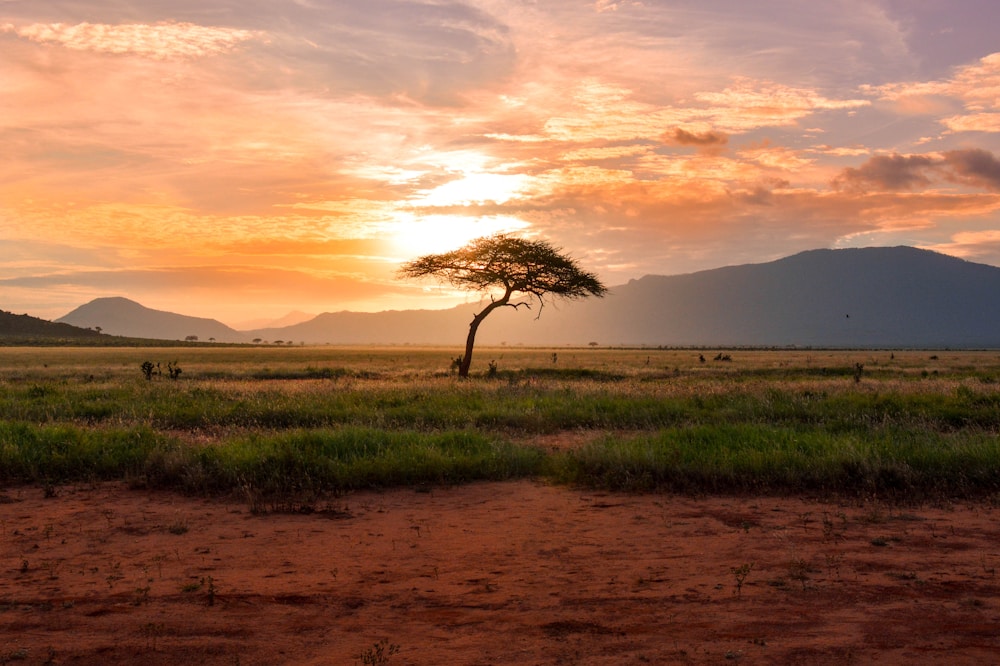
 The correct safari palette — khaki, olive, sand
 Why dark colours are the enemy of a comfortable drive

The One Rule That Covers Almost Everything
If you remember nothing else from this guide, remember this: wear what the landscape wears. The Serengeti, Tarangire, and Ngorongoro are dressed in khaki grass, olive scrub, sand-coloured earth, and the warm brown of dry-season bush. Your clothing should match. Khaki, olive, beige, sand, stone, and muted grey are correct. Anything significantly darker (navy, black), significantly brighter (bright white, neon colours), or patterned in a way that doesn't occur naturally (camouflage, bold prints) is wrong for one of several specific reasons explained below.
This is not an aesthetic preference invented by safari brands to sell khaki shirts — although the industry has certainly embraced it. It is a genuinely practical rule grounded in insect behaviour, sun physics, wildlife disturbance, and in one specific case, Tanzanian law. Each section below explains exactly why a category of clothing is wrong and what the correct alternative is.
Why Dark Colours Are Genuinely Dangerous
The single most important clothing rule for a Tanzania safari is grounded in entomology, not fashion. Tsetse flies — present in Tarangire National Park, Lake Manyara, parts of the Serengeti, and much of the surrounding bush — are strongly attracted to dark colours, especially dark blue and black. These flies locate hosts using a combination of visual contrast, movement, and carbon dioxide detection, and low-reflectance dark colours register far more strongly in their visual targeting than light, neutral tones.
A tsetse fly bite is sharp, immediate, and painful — distinctly different from a mosquito bite, which is often unnoticed until after the fact. In rare cases, tsetse flies can transmit African trypanosomiasis (sleeping sickness), though the risk to short-term tourists is low. The practical consequence for most travellers is simpler: a person in a dark blue shirt on a Tarangire game drive will be bitten significantly more often than the same person in a khaki shirt standing beside them. This is not anecdotal — it is documented entomological behaviour and the reason every safari outfitter and experienced guide gives the same colour advice.
"We can tell within the first ten minutes of a Tarangire game drive who packed a navy fleece. The tsetse flies tell us first. It's the single most common — and most easily avoidable — discomfort we see on safari."
— Resilience Safaris guide, Tarangire, 2025Beyond insects, dark colours create a second, independent problem: heat absorption. Under the near-equatorial sun at 1,000–1,800m altitude, a black or dark navy garment will run noticeably hotter to the touch than an identical garment in khaki or sand. Over a four-hour midday game drive, this difference compounds into genuine discomfort. Bright white and vivid colours have the opposite problem in a different sense: they are highly visible against the muted savanna backdrop, both to the wildlife you're trying to observe undisturbed and from a photography perspective (a bright white shirt blows out in bright sun and ruins otherwise good wildlife photographs taken by your travel companions).
Everything to Avoid Wearing on Safari
Here is the complete, itemised list of clothing and accessory choices to avoid on a Tanzania safari, with the specific reason for each.
What to Wear Instead — By Time of Day
A Tanzania safari day moves through dramatic temperature swings — from near-freezing at the Ngorongoro Crater rim before sunrise to 30°C+ by midday. Here is exactly what to wear at each stage, all within the correct neutral colour palette.
Layered system: moisture-wicking base layer + heavyweight fleece or lightweight down jacket + neck buff. Long trousers, closed shoes, warm socks. Remove the outer layer in stages as the sun climbs — by 08:00 you'll likely be down to the base layer alone.
Light and protective: lightweight long-sleeved shirt (sun protection beats short sleeves here too), convertible trousers or lightweight long trousers, wide-brimmed hat, SPF 50+ on all exposed skin. Shorts are fine at camp by the pool but not recommended for any time in the open vehicle.
Transitional layer: same long-sleeve and trousers as midday, with the fleece or jacket back in the daypack for the temperature drop after sunset. Mosquito activity increases at dusk — long sleeves and trousers also serve as insect protection at this hour.
Relaxed and warm: a comfortable change of clothes for dinner, light sandals or slip-ons, and a warm layer for the firepit. Most camps have a relaxed, informal dress code in the evening — no need for "smart casual," but covered shoulders and long trousers are appreciated at the dinner table at most properties.
Maximum warmth: the Crater rim sits at 2,300m and is genuinely cold year-round before sunrise. Full layering system required — base layer, fleece, and a windproof or down outer layer, plus gloves and a warm hat. This is the one part of a Tanzania safari where underestimating the cold is a common and uncomfortable mistake.

The defining skill of correct Tanzania safari dressing is not owning the right single outfit — it's building a layering system you can add and remove throughout a single drive. A base layer, a mid-layer fleece, and an outer shell, all in neutral colours, let you go from a near-freezing dawn departure to a 30°C midday return without ever needing to change your full outfit. Pack for the temperature range of the entire day, not the average.
Camouflage Clothing Is Illegal in Tanzania
This is the single piece of safari clothing advice that is not a preference — it is the law. Camouflage-pattern clothing, bags, and accessories are illegal for civilians to wear or possess in Tanzania. The pattern is reserved exclusively for military and security force use, and the restriction applies regardless of where the item was purchased or how it is used — a camouflage baseball cap bought at a Western outdoor retailer carries exactly the same legal status as full military fatigues.
The law is actively enforced, including at international airports on arrival, within national park gates, and in towns. Consequences can include confiscation of the item on the spot, and in some circumstances further legal action. This is not a grey area or a rarely-enforced technicality — it is one of the most consistently applied dress restrictions in the country, and tour operators routinely brief clients on it specifically because well-meaning travellers continue to pack camouflage gear assuming it is simply "outdoor clothing."
If you own outdoor or hiking gear purchased for other trips, check every item for camouflage patterning before adding it to your safari bag — this includes daypacks, hat brims, water bottle sleeves, and trouser trim, not just obvious full-camo jackets. Solid khaki, olive, or sand-coloured equivalents achieve the same visual subtlety in the bush with zero legal risk.
Specific Items — What Works, What Doesn't
Beyond the general rules, certain specific items deserve individual attention. Here is the detailed verdict on the items travellers ask about most.
| Item | Verdict | Why |
|---|---|---|
| Wide-brimmed hat | Wear it | Far better sun protection than a cap — covers ears and neck too |
| Baseball cap | Skip it | No side or neck protection; wide-brim is significantly better |
| Closed hiking shoes | Wear them | Essential for walks, forest trails, and lakeshore activities |
| Open sandals (with back strap) | Fine for camp | Comfortable for evenings; not for drives or walks |
| Flip-flops / backless sandals | Skip them | Trip hazard on uneven camp paths, no protection for any activity |
| Neck buff / bandana | Wear it | Dust, sun, and cold-wind protection in one lightweight item |
| UV-rated sun shirt (UPF 50) | Worth it | Genuine upgrade for all-day open-vehicle sun exposure |
| Heavy cotton t-shirt | Skip as primary | Retains sweat, dries slowly; use technical fabric instead |
| Convertible (zip-off) trousers | Excellent choice | Adapts to temperature swings across a single day |
| Denim jeans | Skip them | Too hot, too heavy, dries slowly if wet |
| Merino wool socks | Wear them | Better temperature regulation and blister prevention than cotton |
| Polarised sunglasses | Wear them | Reduces glare significantly on open plains and water |

When uncertain about a specific item, apply the two-question test: (1) Is the colour found naturally in the savanna landscape? (2) Is the item practical for sun, dust, insects, and uneven terrain? If the answer to both is yes, pack it. If either answer is no, choose a neutral, practical alternative instead. This test resolves almost every edge case not explicitly covered above.
Frequently Asked Questions
-
Dark colours, especially dark blue and black, are strongly attractive to tsetse flies, present in Tarangire, Lake Manyara, and parts of the Serengeti. Tsetse flies use colour and movement to locate hosts, and dark, low-reflectance colours register more strongly to them than light, neutral tones. Their bite is sharp and painful, and in rare cases can transmit African trypanosomiasis. Dark colours also absorb significantly more heat under the equatorial sun, making you considerably hotter during game drives.
-
Yes. Camouflage-pattern clothing is illegal for civilians to wear or possess in Tanzania — reserved for military and security forces use. This applies to clothing, bags, and accessories in any recognisable camouflage pattern, regardless of where purchased. Wearing it can result in confiscation and further legal consequences. The law is actively enforced, including at airports and within national parks. Pack solid neutral colours instead — khaki, olive, sand — for the same visual subtlety with zero legal risk.
-
Shorts are acceptable at camp, around the pool, and during relaxed midday periods, but are not recommended for game drives. Long trousers or convertible trousers are strongly preferred for drives because they protect against sun exposure, insect bites (mosquitoes and tsetse flies are most active at dawn and dusk), and scratches from vegetation. Many camps and cultural sites also favour longer clothing, particularly for community visits such as a Maasai village or Hadzabe cultural experience.
-
Lightweight, breathable, quick-drying synthetic or technical fabrics — nylon-cotton blends, merino wool, moisture-wicking polyester — perform best. Heavy cotton retains sweat and dries slowly; denim is too hot and heavy for game drives. UPF-rated sun-protective fabric is a worthwhile upgrade for long days in an open vehicle. The overall system should pair lightweight daytime fabric with a warm mid-layer fleece for cold dawn drives.
-
No formal dress code exists at the vast majority of Tanzania safari camps — the culture is relaxed and informal even at ultra-luxury properties. A clean, comfortable change of clothes after the afternoon drive is appropriate; there is no need to bring smart-casual or formal wear. Closed shoes are sensible after dark for walking to the dining area (camps are unfenced and animals do pass through at night). Layering for the evening temperature drop is more important than any style consideration.